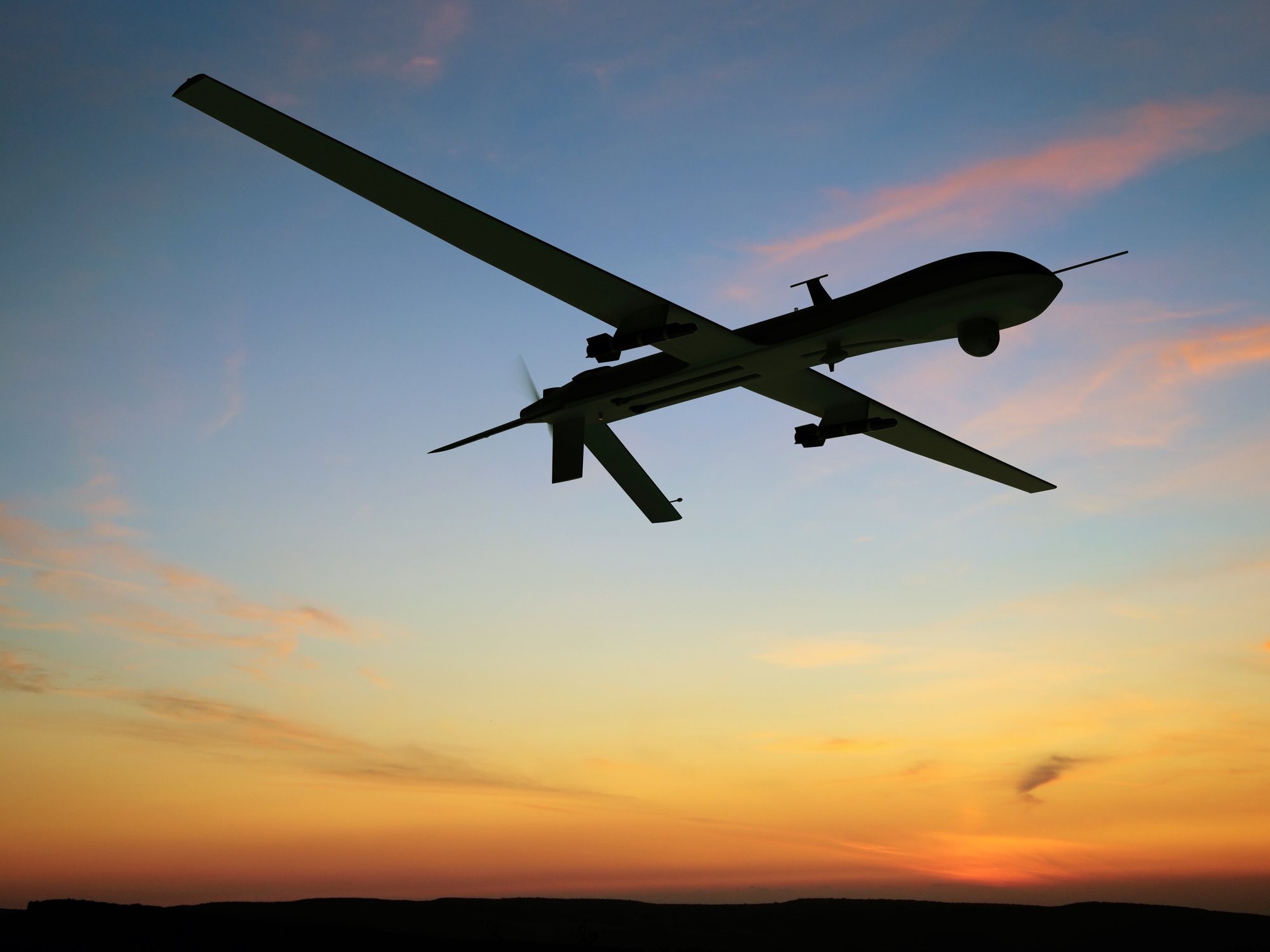
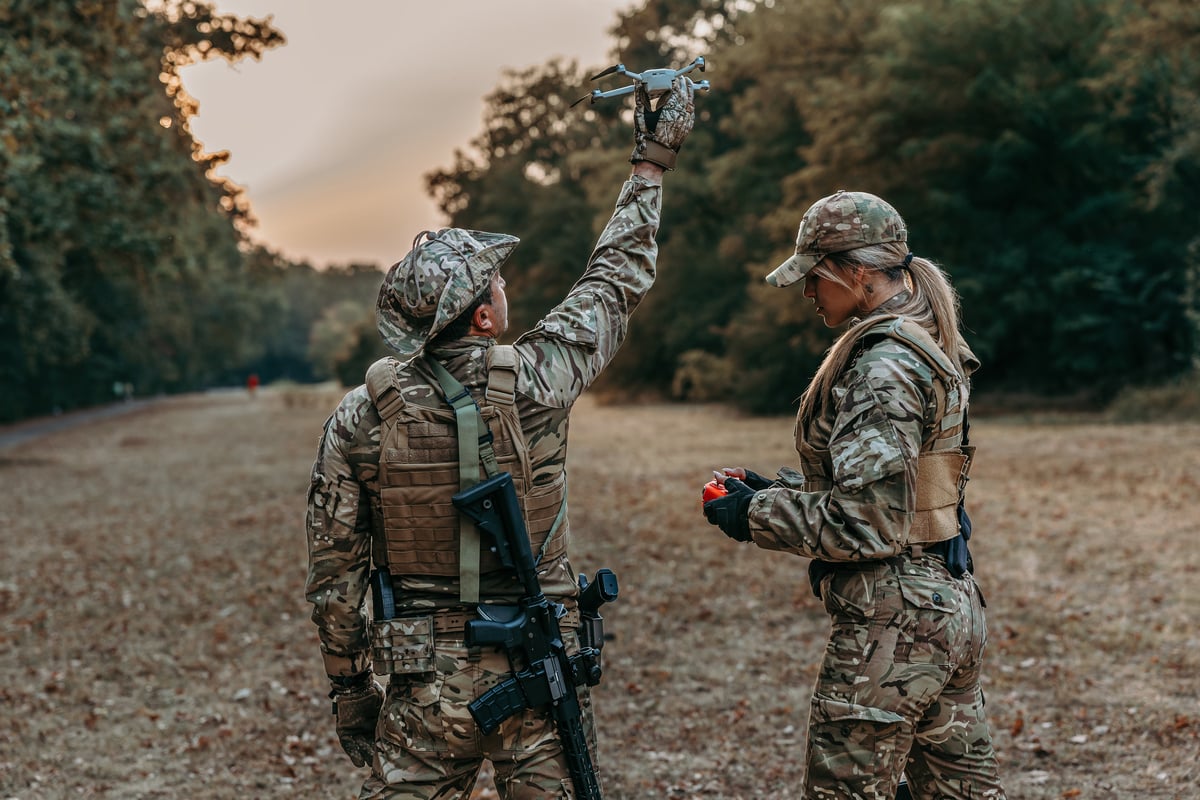
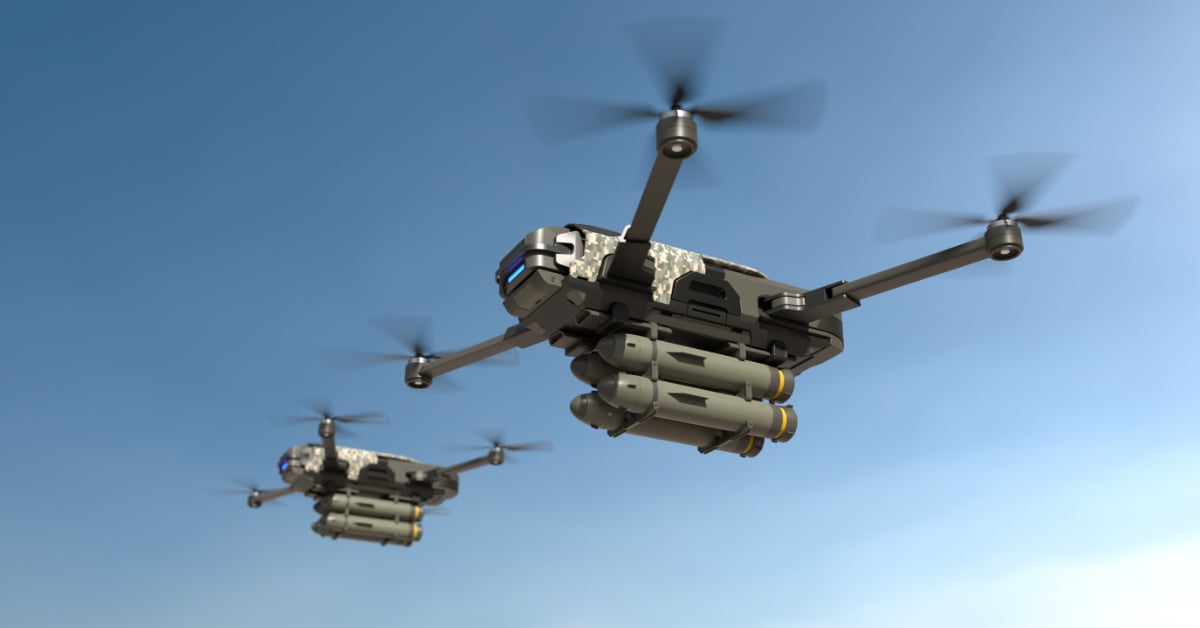
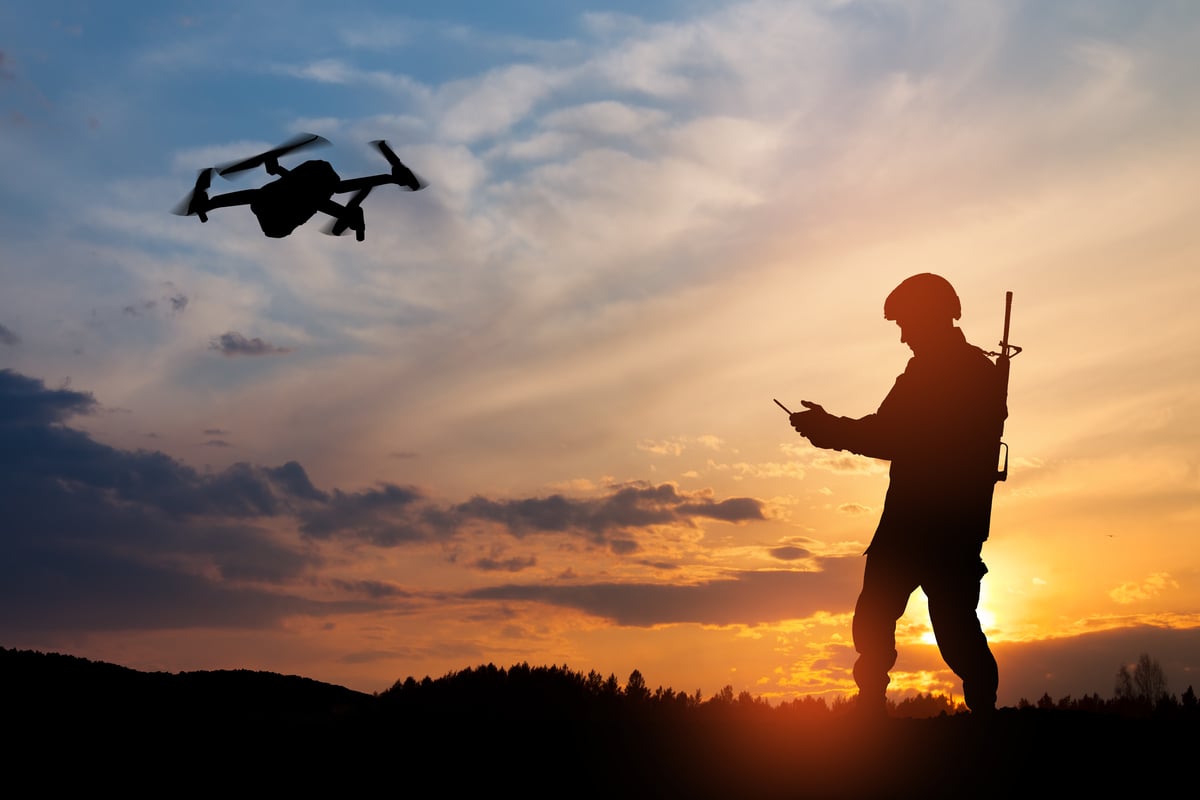
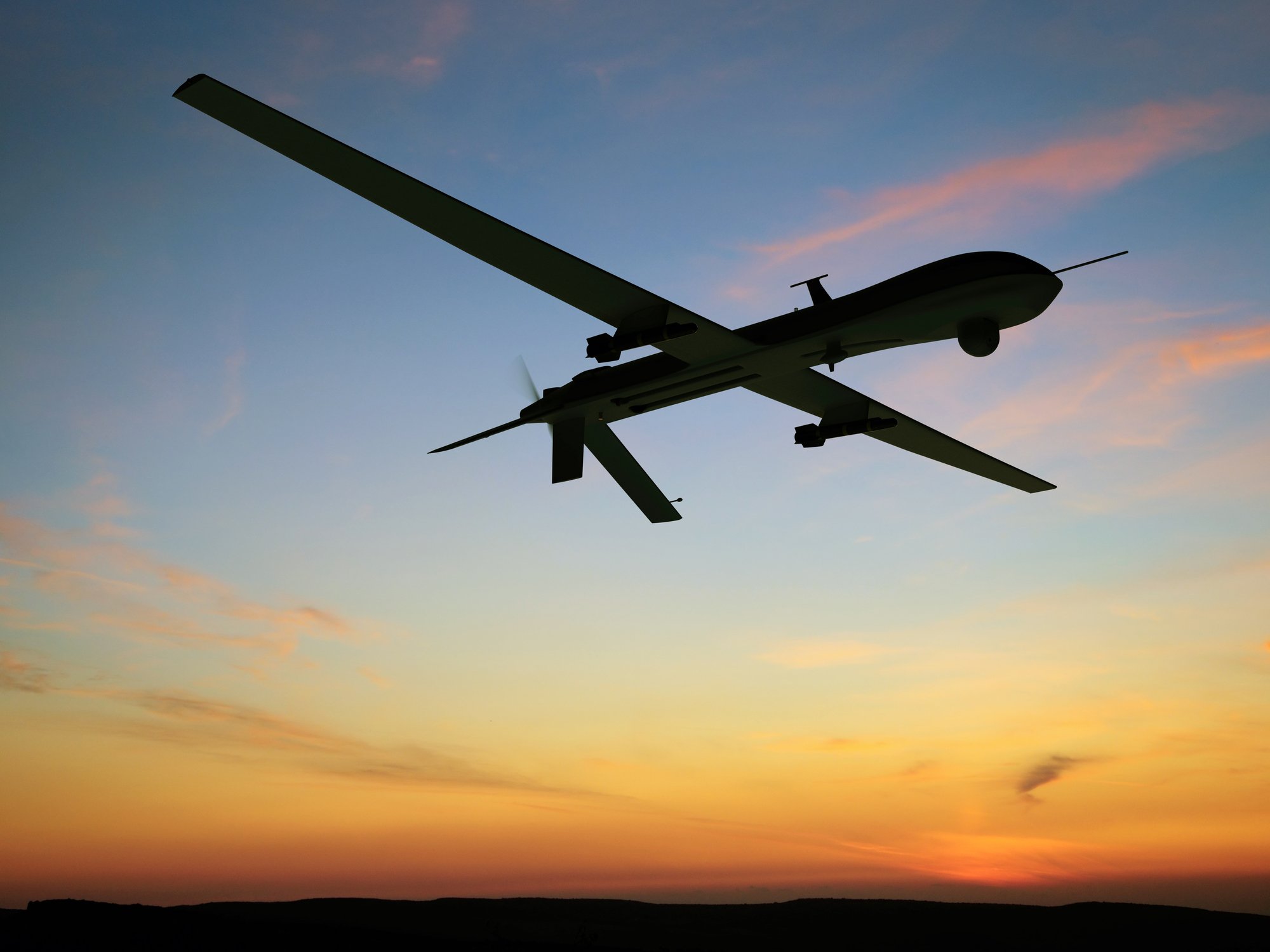
Drones -- that is, unmanned aerial vehicles (UAVs) -- are perhaps the biggest advancement in military and defense strategy of the 21st century. The advent of drones has completely upended a half-century of military strategy. In fact, UAVs are now such a major factor in conversations about defense strategy and spending that it's easy to remember they were seen as a very niche market only a few short years ago.
AeroVironment (AVAV +3.77%) was one of the first movers in the drone industry. It first went public in 2007, but it didn't really start taking off until 10 years later. However, it's only in the last four years that the company has really begun to soar. Here's what investors should know before buying in.

Image source: Getty Images.
An early adopter
AeroVironment went public in 2007 with a market cap of just $430 million, and its market cap didn't cross the billion-dollar mark until 2018. For the next five years, its volatile market cap bounced around between $1 billion and $3.3 billion. But all that changed when Russia invaded Ukraine in February 2022.
The use of drones in Ukraine -- first for surveillance, then as offensive and defensive weapons -- was unprecedented in modern warfare and sparked increased interest in the use of unmanned aircraft not only as a niche strike or surveillance tool, but a major player in overall battlefield strategy. This sparked interest from the defense industry, and AeroVironment's revenue has grown 143.6% since the Ukraine war began. That in turn sparked interest from investors, who have bid shares up 347.5% during the same time frame.
There's certainly more demand ahead. Earlier this month, U.S. Army Secretary Daniel Driscoll said that the Army plans to buy at least 1 million drones over the next few years.

NASDAQ: AVAV
Key Data Points
With great power comes great competition
AeroVironment no longer has the industry all to itself. Not only have a number of tech companies been experimenting with autonomous vehicle technology -- including Alphabet and Tesla -- start-ups like Joby Aviation have also joined the fray, developing autonomous aerial vehicle technology specifically. Meanwhile, major defense contractors like Lockheed Martin have ramped up their own UAV offerings.
As a smaller company that lacks many of the resources of tech giants like Alphabet and defense companies like Lockheed Martin, AeroVironment will need to rely on innovation and the strength of its technology to succeed in what has suddenly become a crowded marketplace. Investors should be aware of the risk of increased competition when buying in.