Rivian (RIVN +1.92%) was one of the hottest IPOs of 2021. The electric vehicle maker went public at $78 on Nov. 10 and closed at its record high of $172.01 six days later. It initially impressed the bulls because it had already started mass-producing its first vehicles, and it was backed by Amazon (AMZN +0.13%) and Ford (F +3.69%). The buying frenzy in hypergrowth and meme stocks in late 2021 further inflated its valuations and amplified its gains.
At its peak, Rivian's market capitalization reached $153.3 billion -- or 92 times the revenue it ultimately generated in 2022. However, today, Rivian's stock trades at approximately $17 with a market cap of $21.5 billion -- which is just three times the revenue it's expected to generate in 2026. That makes it dirt cheap compared to Tesla (TSLA +2.84%), which trades at 14 times next year's sales. So could this unloved EV stock bounce back and head higher over the next 12 months?

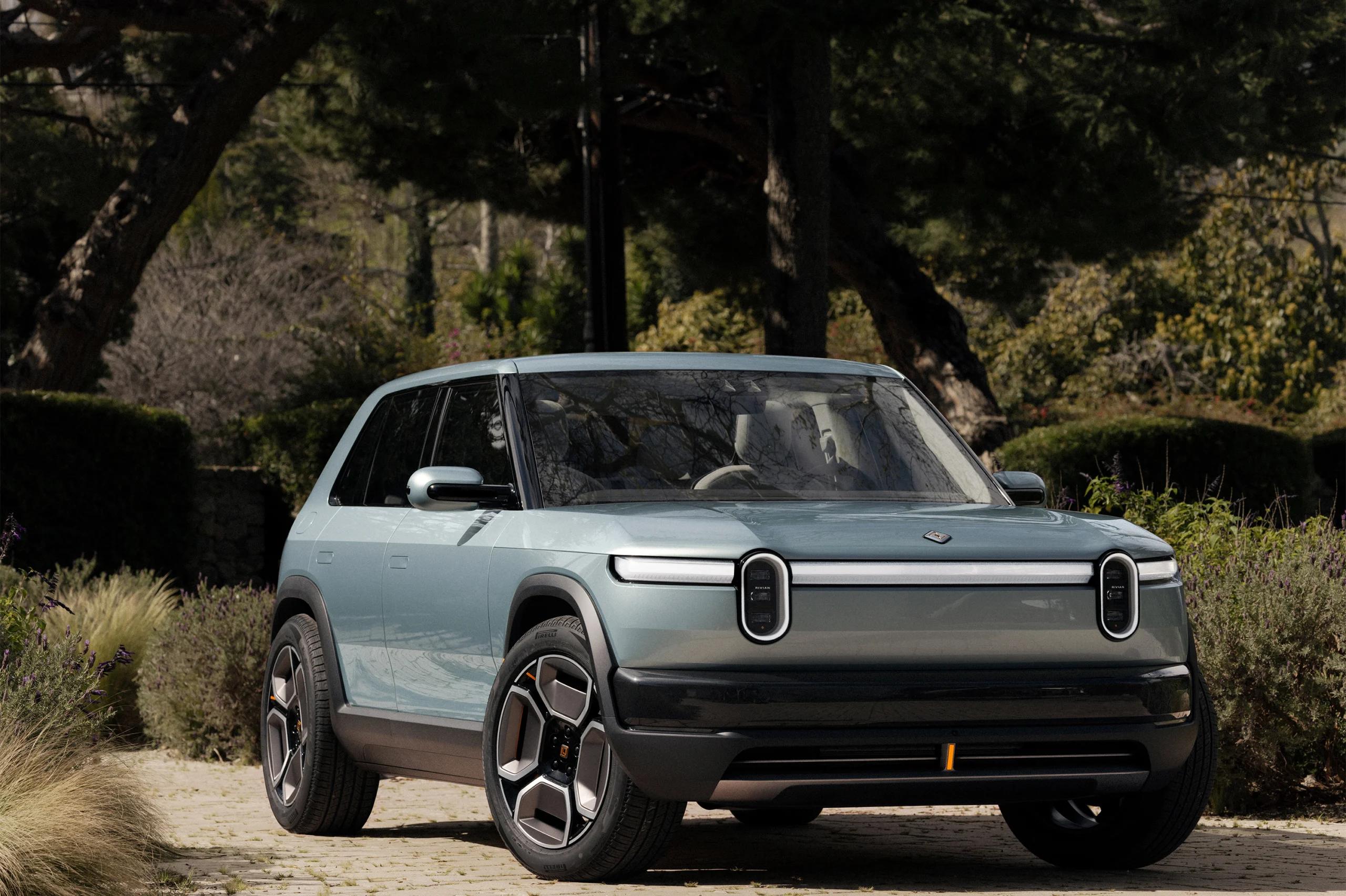
Image source: Rivian.
Can Rivian ramp up its production and deliveries?
Rivian sells three types of EVs: the R1T pickup truck, the R1S SUV, and custom electric delivery vans (EDVs) for Amazon and other companies. When it went public, it planned to produce 50,000 vehicles in 2022 and co-develop another electric pickup with Ford.

NASDAQ: RIVN
Key Data Points
However, Rivian only produced 24,337 vehicles in 2022 as it struggled with supply chain constraints, factory shutdowns, and intense competition from other EV makers. Ford also abandoned its partnership with Rivian and sold most of its 12% stake in 2022. Amazon, which placed a long-term order for Rivian's EDVs through 2030, kept its 17% stake.
In 2023, Rivian more than doubled its annual production to 57,232 vehicles. It resolved most of its supply chain issues, strengthened its relationships with its suppliers, made its factories more efficient, and reduced its production costs with its in-house Enduro drive unit. But its production and deliveries stalled out again in 2024 and 2025.
|
Metric |
2022 |
2023 |
2024 |
9M 2025 |
|---|---|---|---|---|
|
Vehicles Produced |
24,337 |
57,232 |
49,476 |
31,310 |
|
Vehicles Delivered |
20,332 |
50,122 |
51,579 |
32,502 |
|
Revenue |
$1.66 billion |
$4.43 billion |
$4.97 billion |
$4.10 billion |
|
Net Loss |
($6.75 billion) |
($5.43 billion) |
($4.75 billion) |
($2.82 billion) |
Data source: Rivian.
Rivian attributed that slowdown to inflation, rising interest rates, reduced EV subsidies, and competitive headwinds. It also temporarily shut down its central plant in Illinois several times to upgrade its facilities and prepare for the planned launch of its cheaper R2 SUV in 2026.
For 2025, Rivian expects to deliver only 41,500 to 43,500 vehicles. Analysts expect its revenue to rise 8% to $5.37 billion as it sells more of its existing cars. They also expect it to narrow its net loss to $3.82 billion as it sells more of its regulatory credits to other automakers, expands its software and services segment, and uses more in-house components to boost its margins.
For 2026, analysts expect Rivian's revenue to increase 28% to $6.87 billion as it narrows its net loss to $3.66 billion. However, that acceleration will rely on a timely and well-executed rollout of its R2 SUV in the first half of 2026. If the R2 is delayed or met with a chilly reception, Rivian will broadly miss Wall Street's expectations. In 2027, they expect Rivian's revenue to surge 65% to $11.37 billion as it narrows its net loss to $3.15 billion. That optimistic outlook assumes that it will scale up its production of the R2, stabilize its other vehicle shipments, deliver more EDVs to Amazon, and gain more EDV customers. If it can achieve those goals, then its stock appears grossly undervalued at present.
Where will Rivian's stock be in a year?
With nearly $7.7 billion in total liquidity at the end of its latest quarter, Rivian believes it has enough cash to ramp up its production of the R2 next year. If the R2 launch is successful, it meets Wall Street's revenue targets, and its stock trades at a more generous five times forward sales by the end of 2026, it could rise by more than 160% over the next 12 months. However, investors should keep a close eye on its progress with the R2. If it falls short of the market's expectations, Rivian's stock could still decline significantly.