A new era has officially begun for the trillion-dollar company that investing legend Warren Buffett helped build. With the Oracle of Omaha retiring from his role as CEO of Berkshire Hathaway (BRK.A +0.51%)(BRK.B +0.09%), effective Jan. 1, 2026, the torch -- and the oversight of Berkshire's $317 billion investment portfolio -- has been passed to Greg Abel.
For his part, Abel has vowed to run the company similarly to that of his predecessor. Abel is, by nature, a long-term-minded, value-focused investor. He's not afraid to be patient and sit on his proverbial hands until bargains present themselves.
But even though Warren Buffett is no longer calling the day-to-day shots, he nevertheless set his company up for future success by concentrating the aforementioned $317 billion investment portfolio into a handful of his best ideas. What follows are eight unstoppable stocks that account for a whopping 74% ($234.5 billion) of the portfolio that Buffett left Greg Abel.
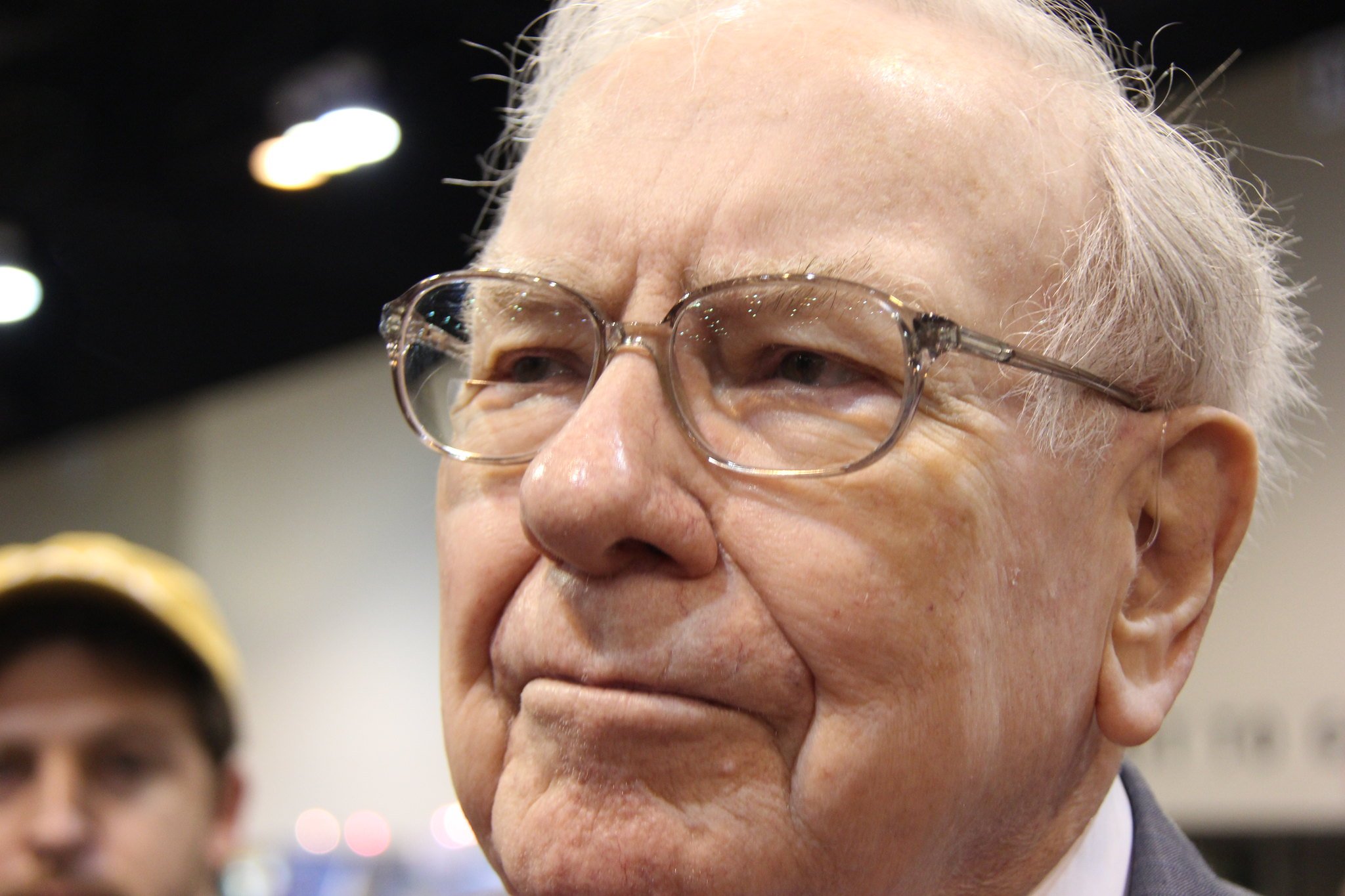
Berkshire Hathaway's now-retired former CEO, Warren Buffett. Image source: The Motley Fool.
1. Apple: 20.1% of invested assets
Although tech stock Apple (AAPL 0.01%) had been Buffett's largest holding for years, this No. 1 holding for Berkshire has been reduced by 74% (with over 677 million shares sold) over the last two years, ending Sept. 30, 2025.
On the one hand, Apple has an exceptionally loyal customer base, is successfully pivoting to a higher-margin, subscription-driven services platform under the leadership of Tim Cook, and offers the greatest share-repurchase program on the planet. Since initiating a buyback program in 2013, Apple has spent more than $816 billion to retire nearly 44% of its outstanding shares. Buybacks are having a positive impact on its earnings per share.
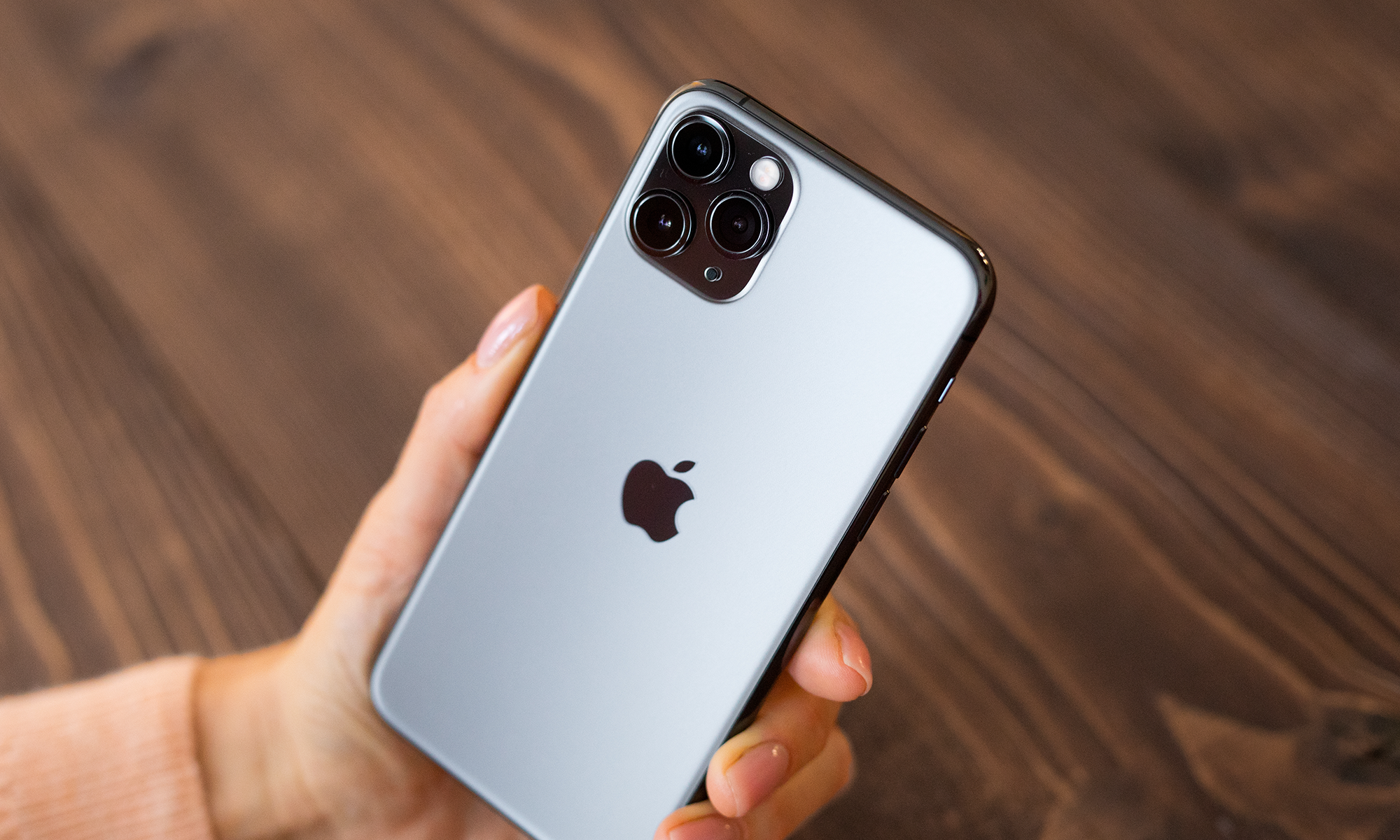
At the same time, Apple's physical device growth engine has slowed dramatically. While sales of iPhone 17 picked up last year, Apple stock is no longer the bargain it once was -- and both Buffett and Abel appear to recognize this.
2. American Express: 18.2% of invested assets
Credit-services provider American Express (AXP +0.49%) is the second-longest-held stock in Berkshire's portfolio (since 1991) and a solid bet to become the company's largest position by market value in 2026.
Amex's not-so-subtle secret to success has been its ability to take advantage of both sides of a transaction. On top of being the No. 3 payment facilitator in the U.S. and generating predictable fees from merchants, American Express is also a lender. It's able to collect interest on carried debt balances and/or annual fees from its cardholders.
Furthermore, Amex has demonstrated a knack for attracting affluent clientele. The well-to-do are less likely to alter their spending habits or fail to pay their bills during periods of economic turbulence. This positions American Express to navigate recessions with fewer issues than other lenders.

NYSE: BAC
Key Data Points
3. Bank of America: 10.2% of invested assets
A third Warren Buffett stock, comprising more than 10% of Berkshire's $317 billion in invested assets, is money-center giant Bank of America (BAC +0.31%). Similar to Apple, Buffett and/or Abel have been actively paring down this position for five quarters. Close to 465 million shares have been sold since the midpoint of 2024, equating to a 45% reduction in Berkshire's stake in BofA.
The reason the Oracle of Omaha regularly gravitated to bank stocks is due to their cyclical nature. Even though recessions are a normal and inevitable part of the economic cycle, expansions tend to last disproportionately longer than recessions. This allowed companies like BofA to prudently expand their loan portfolios over time.
On the flipside, Bank of America is the most interest-sensitive of America's largest banks, measured by total assets. With the Federal Reserve firmly in a rate-easing cycle, lower interest rates are expected to weigh on BofA's net interest income in the coming quarters.

Image source: Coca-Cola.
4. Coca-Cola: 8.6% of invested assets
The only stock that's been held longer than Amex is beverage behemoth Coca-Cola (KO +0.60%), which has been a fixture in Berkshire's portfolio since 1988. Coca-Cola's steadily growing dividend, coupled with Berkshire's ultra-low cost basis of around $3.25 per share in the company, produces an annual yield relative to cost of almost 62%!
Coca-Cola's predictable and transparent growth derives from its virtually unmatched geographic diversity. With the exception of North Korea, Cuba, and Russia, it has operations in every other country. This means it's moving the organic growth needle in emerging markets, and it's raking in bountiful and predictable operating cash flow in developed countries.
Additionally, Coca-Cola's marketing team has successfully connected with and engaged users of all ages. Its usage of social media and artificial intelligence to connect with younger audiences, when coupled with its holiday tie-ins for more mature consumers, has led to a well-recognized and positively viewed brand.
5. Chevron: 6.3% of invested assets
Integrated oil and gas giant Chevron (CVX 0.10%) is the fifth-largest holding Abel now oversees. Chevron has been a continuous holding for five years and was initially added following the turmoil in commodity prices during the COVID-19 pandemic.
What likely attracted Buffett to Chevron, aside from oil and natural gas being necessities, is its integrated operating structure. Though Chevron generates its best margins from its upstream drilling segment, it can offset weakness in the spot price of crude oil by relying on its midstream or downstream (refineries and chemical plants) segments. This well-hedged operating model generates predictable operating cash flow.
Big oil stocks are also known for their outsize capital-return programs -- and Chevron doesn't disappoint. At its most recent Investor Day, the company forecast $10 billion to $20 billion in annual share buybacks through 2030. It's also raised its base annual dividend for 38 consecutive years.

NYSE: MCO
Key Data Points
6. Moody's: 4.1% of invested assets
The third-longest-tenured stock in the $317 billion portfolio Buffett left for Abel is credit-ratings agency Moody's (MCO +0.69%). It's been a continuous holding in Berkshire's portfolio for over 25 years.
Moody's blossomed into one of the top performers, on a percentage basis, in Buffett's portfolio, thanks to its Investors Service segment. This is the operating division responsible for rating corporate and government debt. With the Fed keeping interest rates historically low throughout most of the 2010s and during the height of the COVID-19 pandemic, it incentivized businesses and governments to issue debt. In other words, Moody's core segment was kept busy.
Nowadays, Moody's Analytics is doing more of the heavy lifting. This is a software- and professional service-driven segment focused on risk mitigation, economic forecasting, and corporate compliance.
7. Occidental Petroleum: 3.4% of invested assets
Chevron wasn't the only integrated oil and gas stock that Warren Buffett fancied. Since the beginning of 2022, Berkshire's now-former boss purchased nearly 265 million shares of Occidental Petroleum (OXY 1.46%).
What makes Occidental unique, relative to other integrated energy operators, is its disproportionate reliance on its upstream drilling operations. While it does have downstream chemical operations, Occidental's operating performance ebbs and flows more closely to the spot price of crude oil than an industry giant like Chevron.
Occidental Petroleum is also a bit of an outlier in that it's working its way out of a sizable net debt position. Historically, Buffett avoided companies with sizable debt positions, but he wasn't able to pass up a perceived bargain with Occidental.

NYSE: CB
Key Data Points
8. Chubb: 3.1% of invested assets
The eighth unstoppable stock, which collectively accounts for 74% of the $317 billion investment portfolio Warren Buffett left for Greg Abel to oversee, is insurance colossus Chubb (CB +1.22%). Chubb was the mystery stock that Berkshire's former billionaire chief began piling into during the third quarter of 2023.
While insurance companies aren't going to knock anyone's socks off with their growth potential, they do typically possess exceptional premium pricing power. Catastrophe events that require claim payouts are an inevitable occurrence for property and casualty (P&C) insurers. With this in mind, Chubb rarely faces any pushback when increasing annual premiums for its clients.
To build on this point, Chubb focuses more on high-end P&C policies than standard insurers. These high-value policies for homes, jewelry, art, and boats typically come with margins that are more attractive than those of standard policies.