Ford Motor Company (F 0.21%) investors had a terrific 2025 -- albeit last month was a bit of a nail-biter. Shares of the automotive giant surged 36% last year, twice the performance of the S&P 500.
Financial results for the final quarter of 2025 aren't yet in, but through the first nine months, Ford managed to grow its sales (in units sold) by 1%, including a big 6% surge in Q3 alone. Revenue is up 3% (up 9% in Q3), and while profits declined 29%, Ford remained solidly profitable, with $2.9 billion earned in the year's first nine months.
Ford wrapped up its Q3 report, which came out in October, with a prediction that it will end 2025 with pre-tax earnings between $6 billion and $6.5 billion, and positive free cash flow between $2 billion and $3 billion -- despite tariffs and the effects of repeated fires at its biggest supplier of aluminum for its trucks.
Then came the bad news. Let's review.
Image source: Getty Images.
Ford's $19.5 billion charge to earnings
On Dec. 15 -- one might call it "the Ides of December" -- Ford announced it would take $19.5 billion in "EV-related charges" (pun presumably not intended), most of which will show up in the Q4 report. Cash expenditures will be only about $5.5 billion, with asset write-downs making up the balance of the charges. These cash costs will primarily impact 2026 results, although some spending will stretch into 2027.
What prompted these charges? Despite more than doubling electric vehicle shipments in 2025, actual profits on EV sales have continued to elude Ford. The first nine months of the year saw the company's Model e segment rack up $3.6 billion in pre-tax losses, with a 67% negative operating profit margin. So rather than keep fishing, Ford is cutting bait. Sort of.
Ford's grand plan for 2030
As Ford explains it, it's not so much exiting the electric vehicles business as refocusing on more profitable niches. Specifically, by 2030, Ford expects 50% of the cars and trucks it produces to be "hybrids, extended-range EVs, and electric vehicles, versus 17% today." Fully half the vehicles Ford produces -- even five years from now -- will still be gasoline-powered, internal combustion engine vehicles.
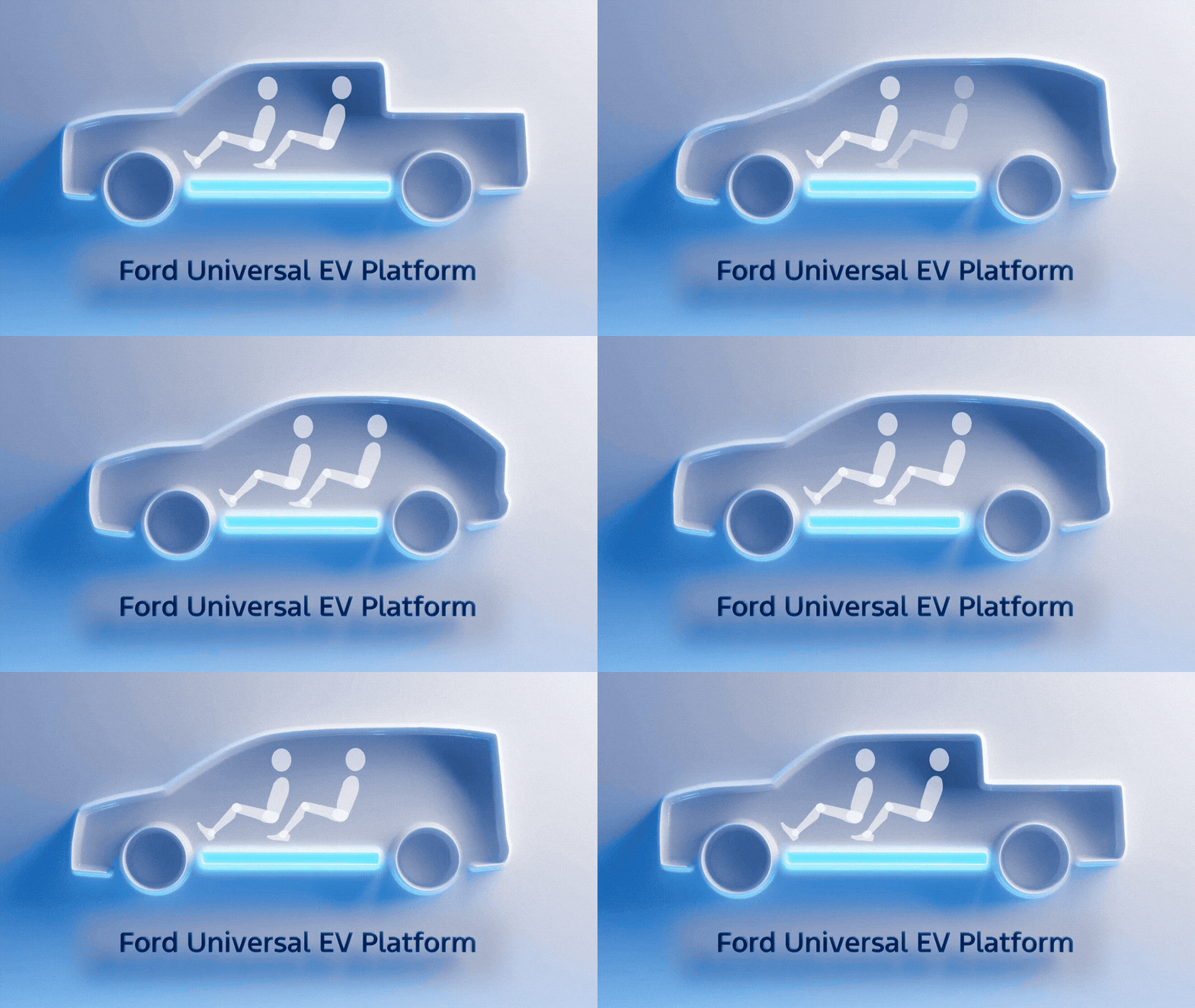
The pure EVs that Ford does produce will be atop a "Universal EV Platform" common to all vehicles, that's "low-cost," and "flexible." Less-pure EVs will take the form of hybrids and battery-powered vehicles with supplemental gasoline engines that recharge the battery, which Ford calls "extended range electric vehicles" (EREVs). Crucially, Ford expects this latter technology to improve "towing and range" performance -- issues that weighed on F-150 Lightning sales, as the trucks were found to suffer dramatically reduced range when towing heavy loads.
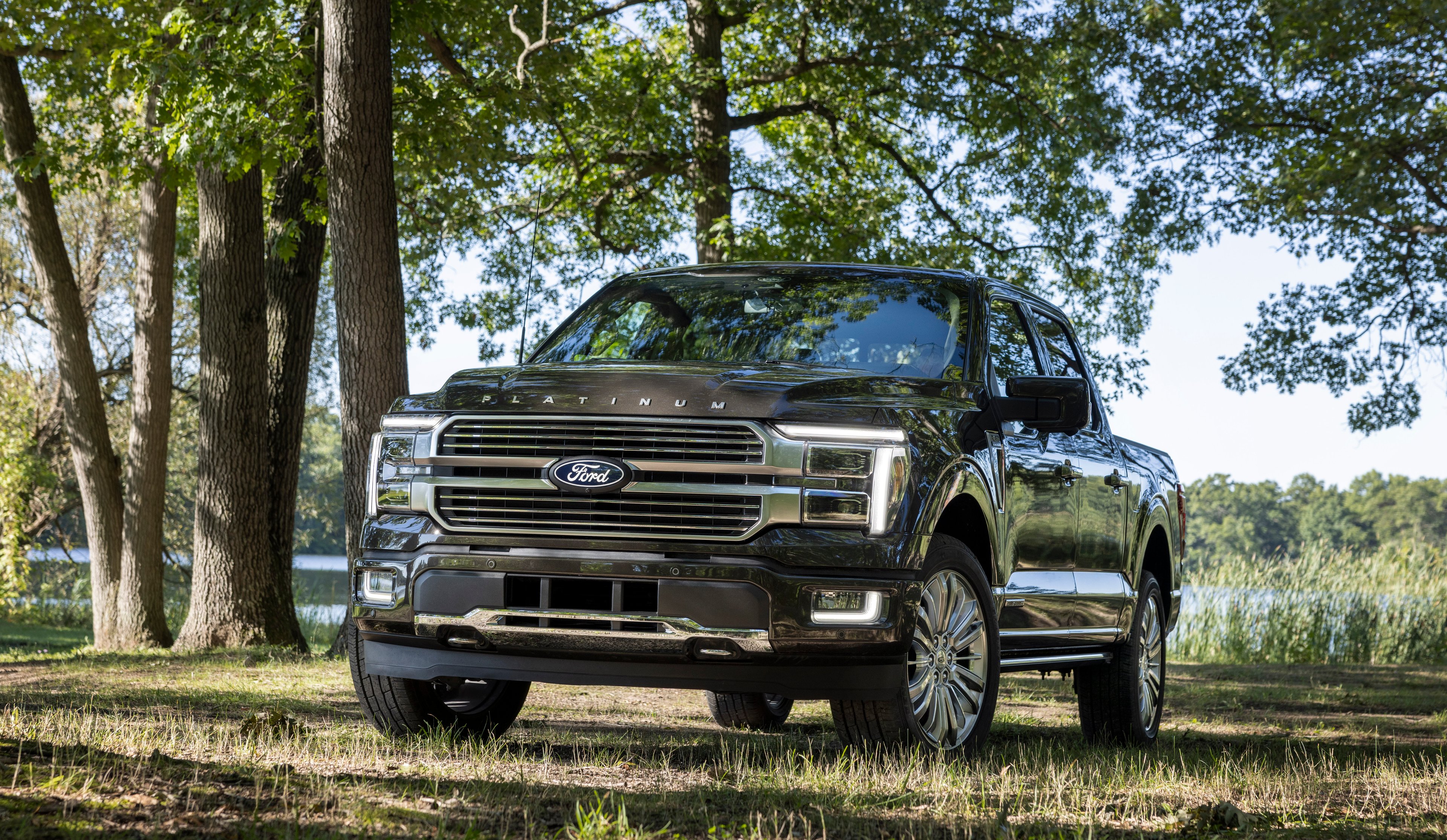
Speaking of which, an F-150 Lightning EREV with a "700+ mile range" will replace the F-150 Lightning all-electric pickup truck. However, Ford does intend to proceed with plans to build a midsize all-electric pickup (a Ranger EV, perhaps?), with production set to begin in 2027 in Louisville.
In addition to all this, Ford is launching a new "battery energy storage business." Battery plants in Kentucky and Michigan, originally intended to produce truck batteries for an all-electric Ford fleet, will be repurposed to produce stationary batteries to power data centers for artificial intelligence. (Yes, you read that right: Ford just said it's an AI stock).
This might, in fact, be the reason that, despite announcing a $19.5 billion charge to earnings, Ford stock managed to close out December only $0.04 below where it began. It also didn't hurt that Ford softened the blow of the earnings warning by reaffirming guidance for fiscal 2025 free cash flow and raising its operating earnings projection to $7 billion.

NYSE: F
Key Data Points
Is Ford stock a buy?
What does all this mean for investors in 2026? Ford promises immediate "improvements" in its financial results from these actions, "beginning in 2026" with "early signs" of profits improving in the Ford Blue (consumer vehicles) and Ford Pro (fleet customers) businesses. By 2029, management predicts even the money-losing Model e EV business will turn profitable and begin growing in 2030.
As regards the new battery energy storage business, Ford expects to begin production in mid-2027, producing 20 GWh annually. At current battery prices, this could add as much as $2.5 billion to Ford's annual revenue. And at expected 27% growth rates for the storage market through 2030, investors can hope the battery storage business will double in size to about $5 billion by 2030.
If Ford achieves all of the above, it will surprise a lot of investors. Current forecasts from analysts polled by S&P Global Market Intelligence see Ford growing sales only $10 billion total over the next five years, barely a 1% annual growth rate. At just 11 times trailing earnings despite paying a big 5.7% dividend yield, Ford stock is priced for failure -- but has a plan for success.