Billionaire Peter Thiel, best known for co-founding Palantir Technologies, runs the hedge fund Thiel Macro. He sold his stake in Nvidia in the third quarter, such that his entire portfolio is now invested in three artificial intelligence stocks:
- Tesla (TSLA +2.84%) accounts for 39%.
- Microsoft (MSFT 2.29%) accounts for 34%.
- Apple (AAPL +0.43%) accounts for 27%.
Importantly, Thiel Macro outperformed the S&P 500 by 16 percentage points over the past year, which makes the hedge fund a good source of inspiration. Here's what investors need to know about Tesla, Microsoft, and Apple.
Image source: Getty Images.
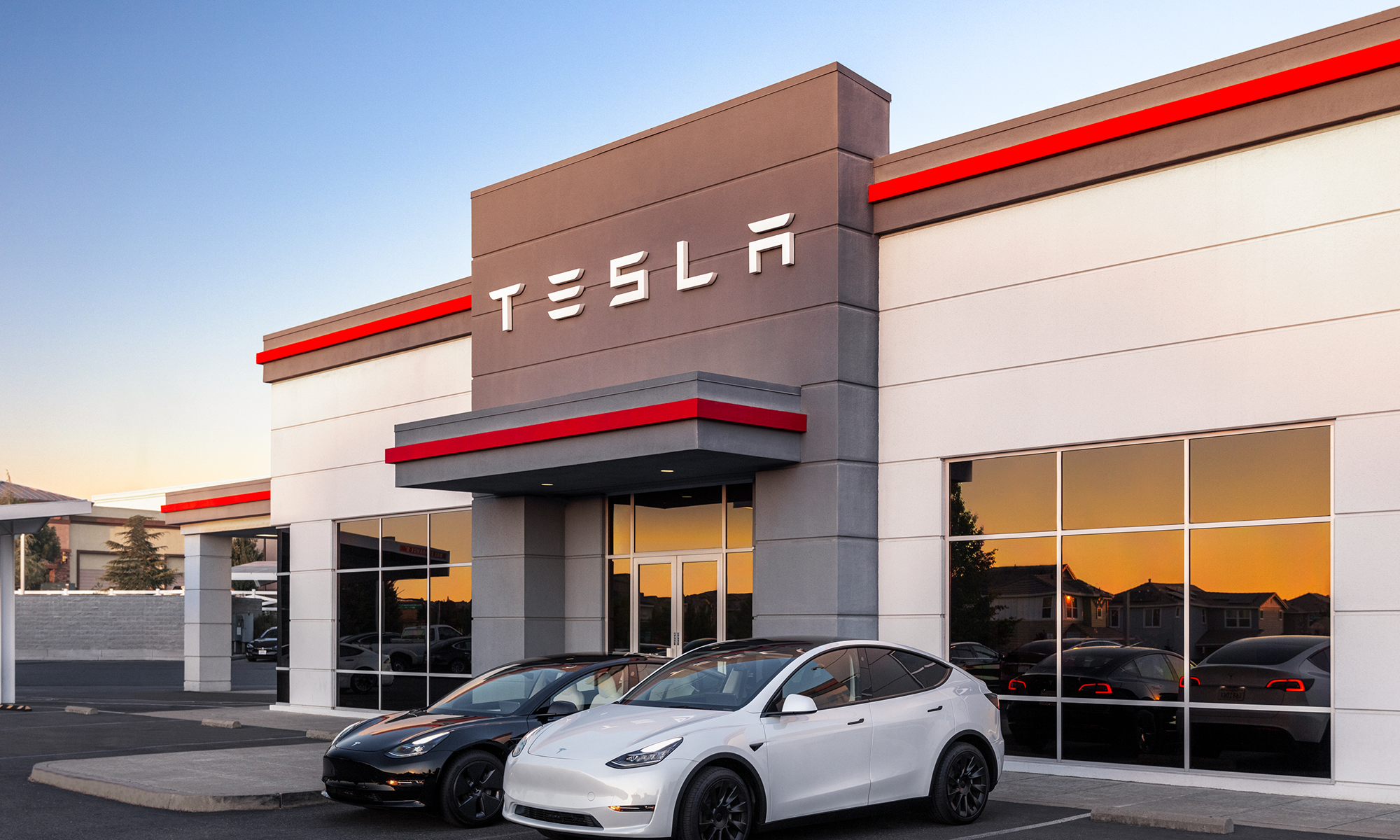
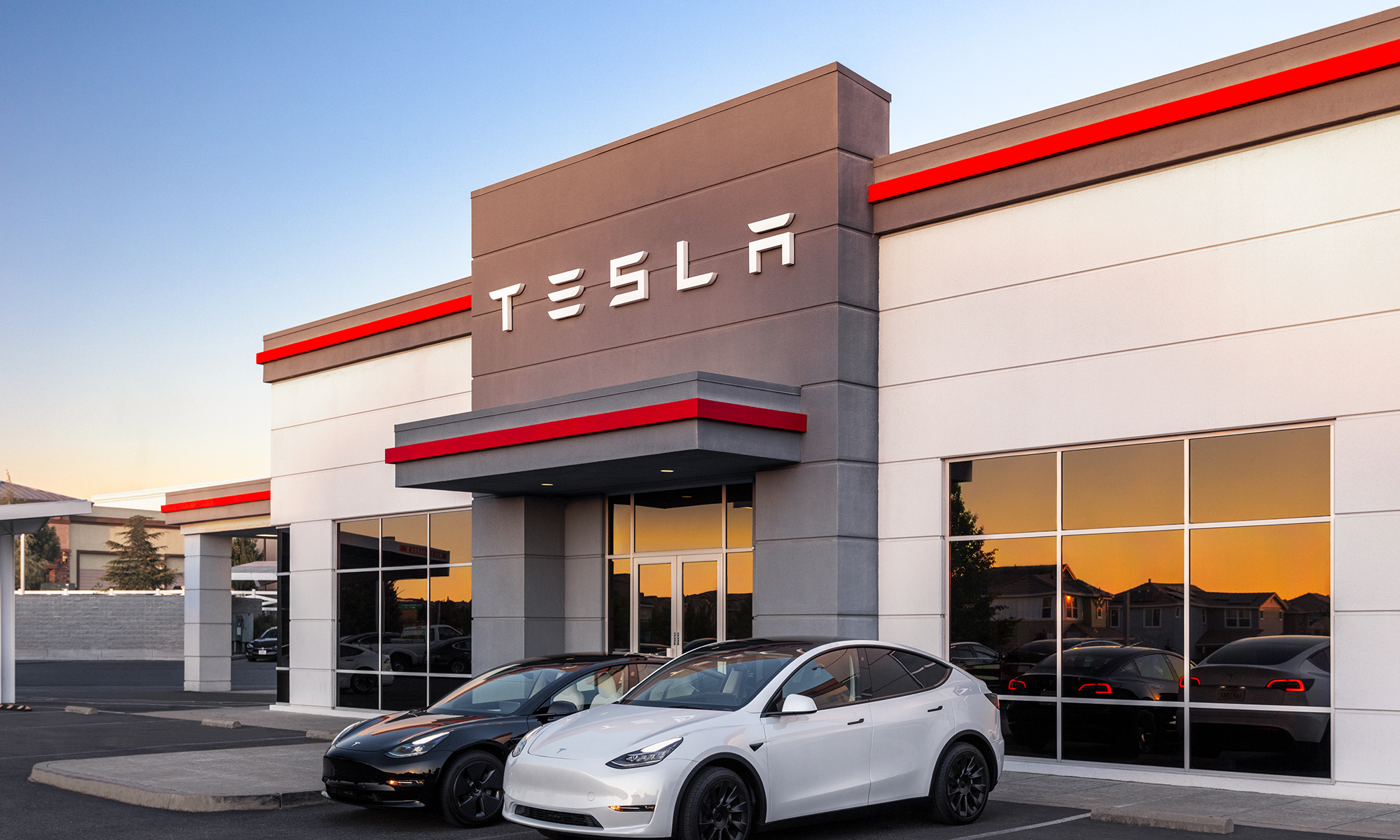
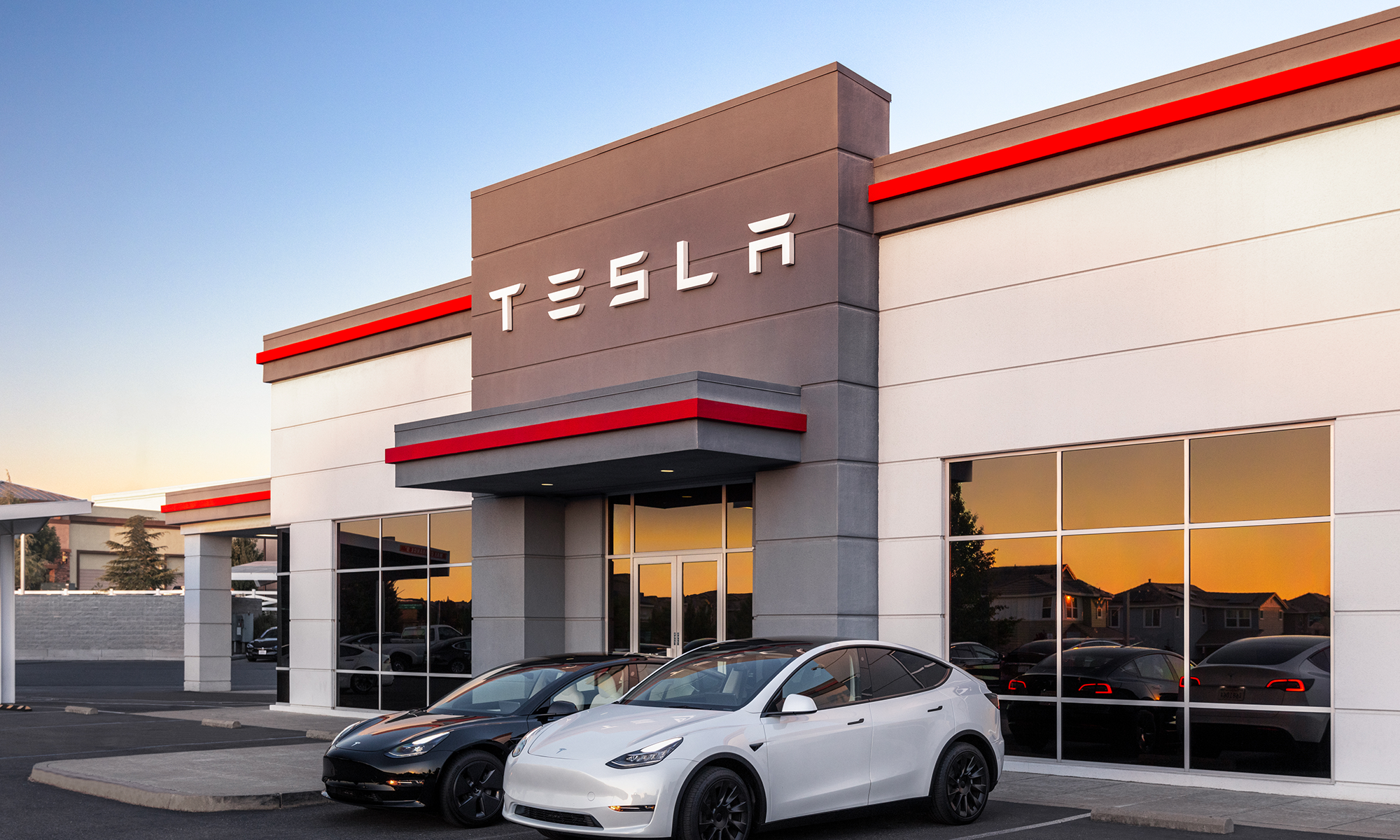
Tesla: 39% of Peter Thiel's Portfolio
Tesla has lost about 5 percentage points of market share in electric cars over the past year, and the company ceded its position as the market leader to Chinese automaker BYD. But investors have largely brushed those developments aside because the investment thesis for Tesla now centers on physical artificial intelligence (AI), meaning autonomous driving and humanoid robots.
In autonomous driving, Tesla has a cost advantage in its vision-only strategy. Its full self-driving software (FSD) relies solely on cameras to navigate, rather than the expensive array of cameras, radar, and lidar used by competitors. For instance, Morgan Stanley estimates Tesla pays 10 times less to outfit its vehicles with sensors as compared to Waymo.
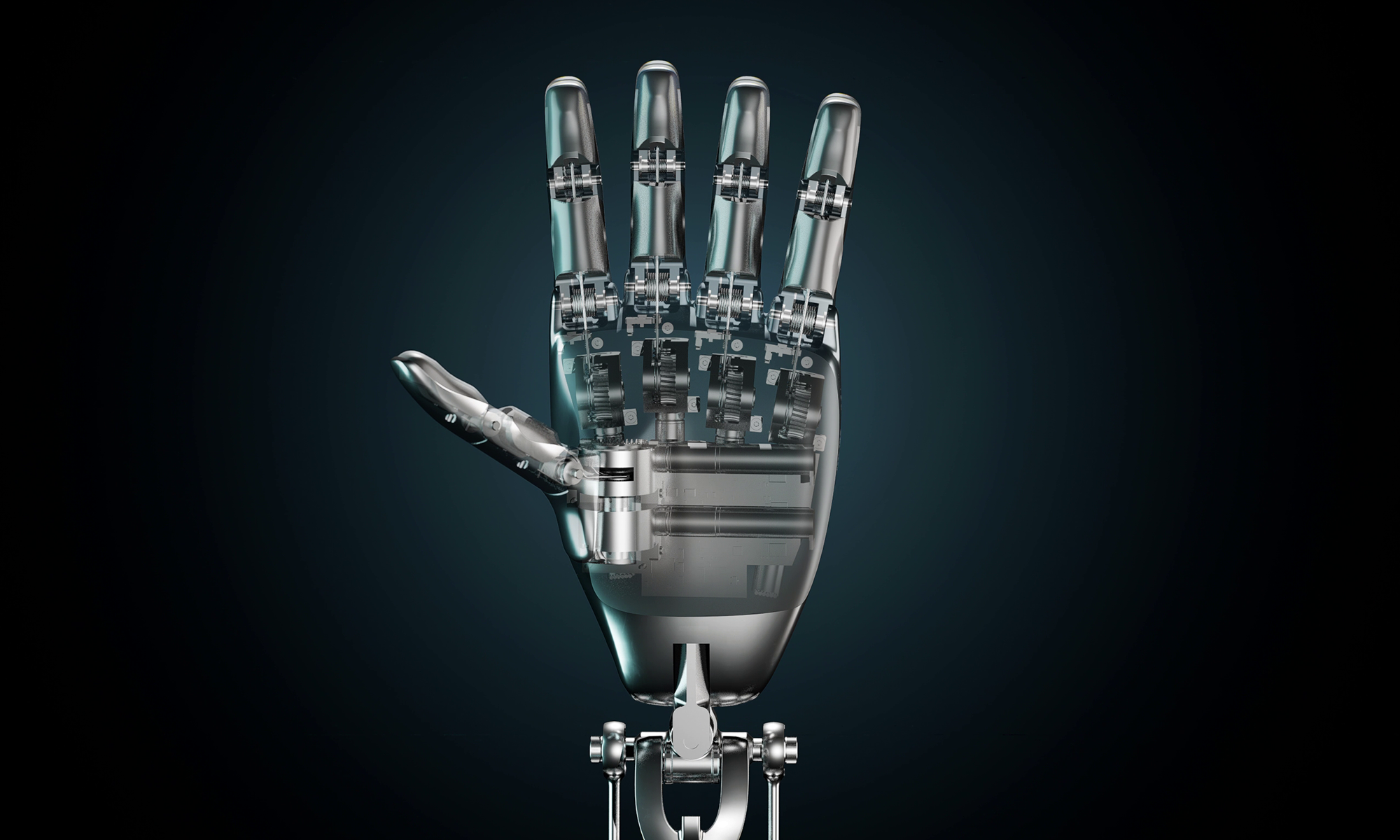
In autonomous robots, Tesla is building a humanoid called Optimus. CEO Elon Musk says it will eventually be the company's most important product, accounting for as much as 80% of its value. Additionally, Musk has argued that Tesla could grow into a $25 trillion company -- implying 1,800% upside from its market value of $1.3 trillion -- as its humanoid robot disrupts the global labor market.
Here is the problem: Tesla is very hard to value. The electric car business is sputtering, but neither robotaxis nor robots are major sources of revenue today. However, Grand View Research estimates robotaxi sales will increase at 99% annually through 2033. And Morgan Stanley expects humanoid robot sales to increase at 54% annually through 2035. Both are likely multitrillion-dollar markets in the making, and Tesla is a good way for risk-tolerant investors to get exposure.
Microsoft: 34% of Peter Thiel's portfolio
Microsoft is exploiting its strength in enterprise software and cloud computing to monetize artificial intelligence. In software, the company has introduced generative AI copilots for its office productivity, cybersecurity, enterprise resource planning, and business intelligence suites. Monthly active users hit 150 million in the September quarter, up from 100 million in the June quarter, according to CEO Satya Nadella.
In cloud computing, Microsoft Azure has gained about 3 percentage of market share since 2022 as it has added data center capacity and new AI services. Also, Microsoft owns a 27% equity stake in OpenAI and has exclusive rights to its most advanced models until 2032. That means Azure is the only public cloud that lets developers integrate models like GTP-5 (which powers ChatGPT) into applications.
In turn, Morgan Stanely's latest CIO survey showed Azure as the cloud provider most likely to gain share over the next three years, both in general purpose computing and generative AI workloads. That points to strong revenue growth for years to come. Grand View Research estimates cloud services spending will increase at 16% annually through 2033.
Wall Street expects Microsoft's earnings to grow at 14% annually in the next three years. That puts its current valuation of 32 times earnings somewhere between pricey and very pricey. Those numbers equate to a price-to-earnings-to-growth (PEG) ratio of 2.3, and values above 2 are typically considered expensive.

NASDAQ: AAPL
Key Data Points
Apple: 27% of Peter Thiel's portfolio
Apple consistently leads the market in smartphone sales, but the company also enjoys a strong position other consumer electronics categories, including tablets, smart watches, and personal computers. That success is built on design expertise that spans hardware, software, and services. With tight control over the entire user experience, Apple has created an ecosystem of devices for which consumers are willing to pay a premium.
However, there are signs the company is losing its innovative edge. Apple has not released a major new product since AirPods in 2017, and it has so far failed to benefit from AI. However, the company recently said it would use Alphabet's Gemini models to supercharge Siri with AI capabilities. While Apple originally planned to build the models internally, outsourcing the technology could free developers to focus on other AI initiatives.
Indeed, Apple remains well positioned to benefit from AI despite bungling the opportunity so far. With over 2.3 billion active devices worldwide, it has a massive user base into which it can sell AI subscription services. For instance, the company could add a premium version of Apple Intelligence, a suite of free AI features that can write, proofread, and summarize text (among other capabilities) on newer iPhones and Macs.
Nevertheless, Wall Street expects Apple's earnings to increase at 10% annually over the next three years, which makes the current valuation of 33 times earnings look very pricey. Those numbers give a PEG ratio of 3.3. Personally, I think investors can find better places to put their money.