The stuff of science fiction is quickly becoming reality. Iconic electric vehicle maker Tesla (TSLA 0.99%) is now making AI-controlled humanoid robots that will be available for purchase by the public before the end of 2027. That's what Tesla CEO Elon Musk said at this year's World Economic Forum, anyway. Just bear in mind the larger-than-life founder has significantly understated developmental timelines before.
On the other hand, he's also got a penchant for eventually delivering. So, what's this new robot -- called Optimus -- all about?
The time is (more or less) right for this tech
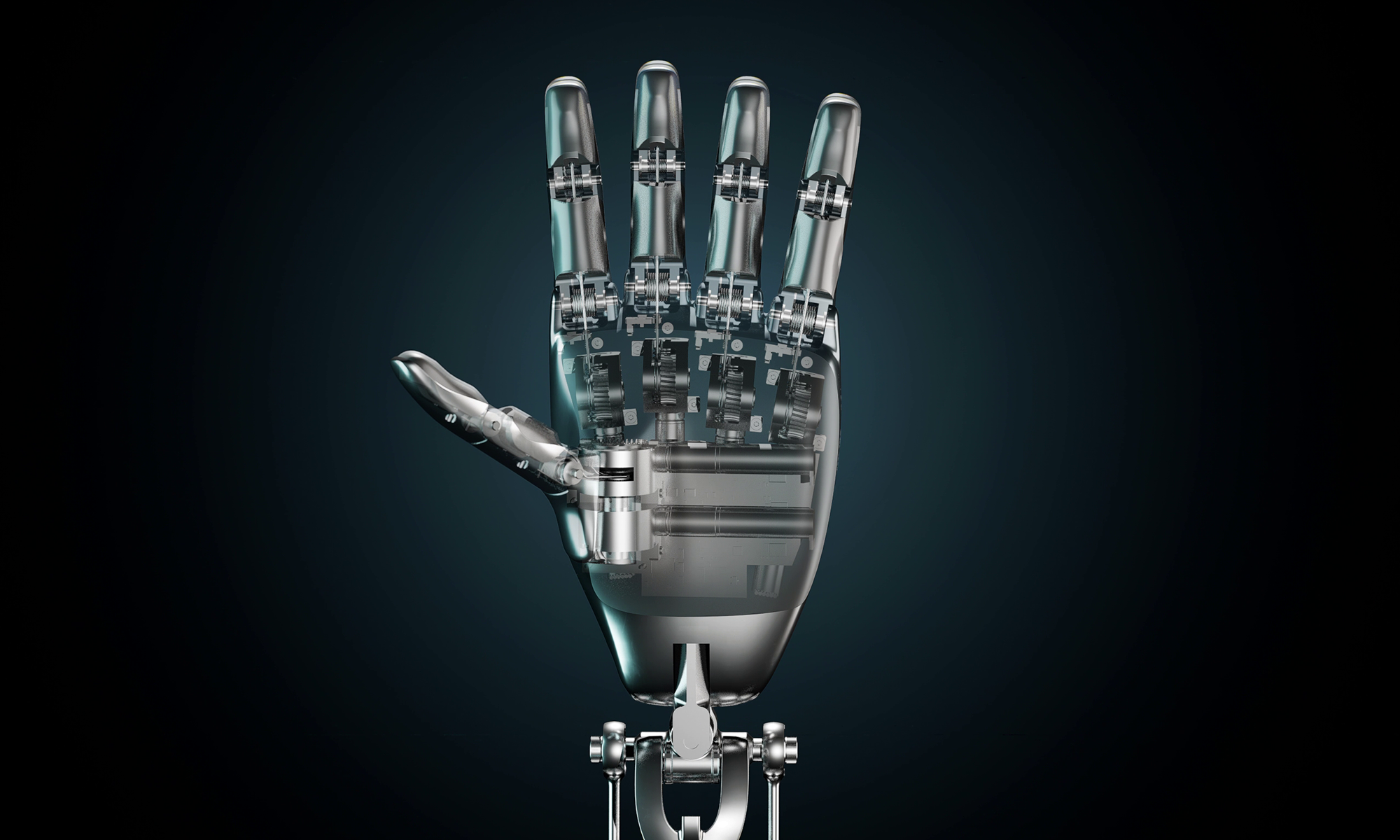
With two arms, two legs, and one head all attached to a torso, Optimus is clearly intended to do everything a human can do in the space that a human can occupy. Musk isn't envisioning them to serve as full-blown replacements, though, or provide replacement bodies (at least not yet). Rather, his vision is to instruct these robots to autonomously handle tasks that are boring, dangerous, or both to humans. Anticipated retail price? Between $20,000 and $30,000. We'll see.
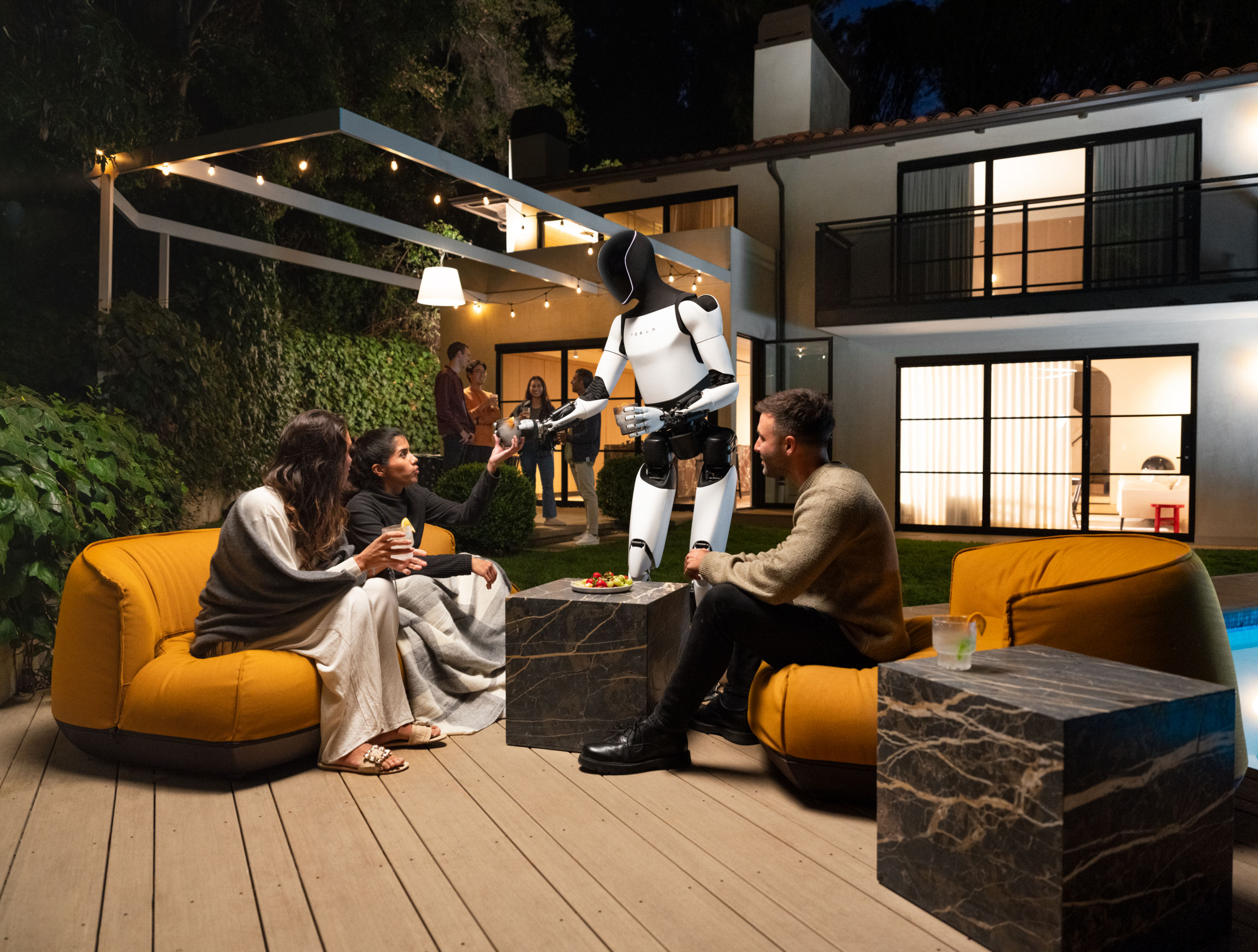
Image source: Tesla Inc.
Still, it's not an outrageous expectation. Carmaker Hyundai recently confirmed plans to deploy humanoid robots at its factory in Georgia by 2028, following November's news from Agility Robotics that its humanoid package-handling automatons (called Digit) have now collectively moved 100,000 totes. Indeed, Amazon reported last year that it has already deployed over 1 million self-driving package-moving robotic carts within its warehouses. Tweaking these technological tools into something suitable for the home, office, or in situations where a limited judgment call needs to be made isn't exactly a big leap from here.
But is there enough money to be made by Tesla in this market to merit an investment that wasn't merited before?
It certainly doesn't hurt the near-term bullish argument
As is so often the case, this technology will likely be ready for the mainstream before most consumers and corporations are ready for it. That was certainly the case for solar power, AT&T's videophone back in the 1960s, and arguably, even Tesla's electric vehicles. There's little doubt it will take some time for the world to become comfortable with a relatively expensive assistant that is human-like, but clearly not human.

NASDAQ: TSLA
Key Data Points
Time and proof should slowly but surely convince them, though, so much so that analysts with Morgan Stanley predict the global humanoid robot industry will be worth $5 trillion by 2050. The firm adds that there could be more than 1 billion of these autonomous machines in use by that point.
Musk is even more optimistic about their utilization, though. He's said more than once that there may come a time when there's at least one artificial intelligence-controlled humanoid robot for every person on the planet, creating what he's also referred to as "infinite money glitch" for Tesla.
That degree of fiscal success is obviously still years down the road, if it ever materializes as suggested at all. The hope is enough to fan the bullish flames in 2026, however, particularly if investors see regular developmental progress with Optimus along the way.