China is the world's largest auto market and it's not even close. Alone, China accounted for 30% of all new vehicle sales in 2025. The United States is in the No. 2 spot with an 18.4% share of global sales. Japan and India are tied for third place at 5.1% each.
And though China's auto market was once dominated by foreign manufacturers, especially Volkswagen, Toyota, and General Motors, a crop of domestic Chinese manufacturers have sprung up in the past 30 years and have now gained dominance over the Chinese market.
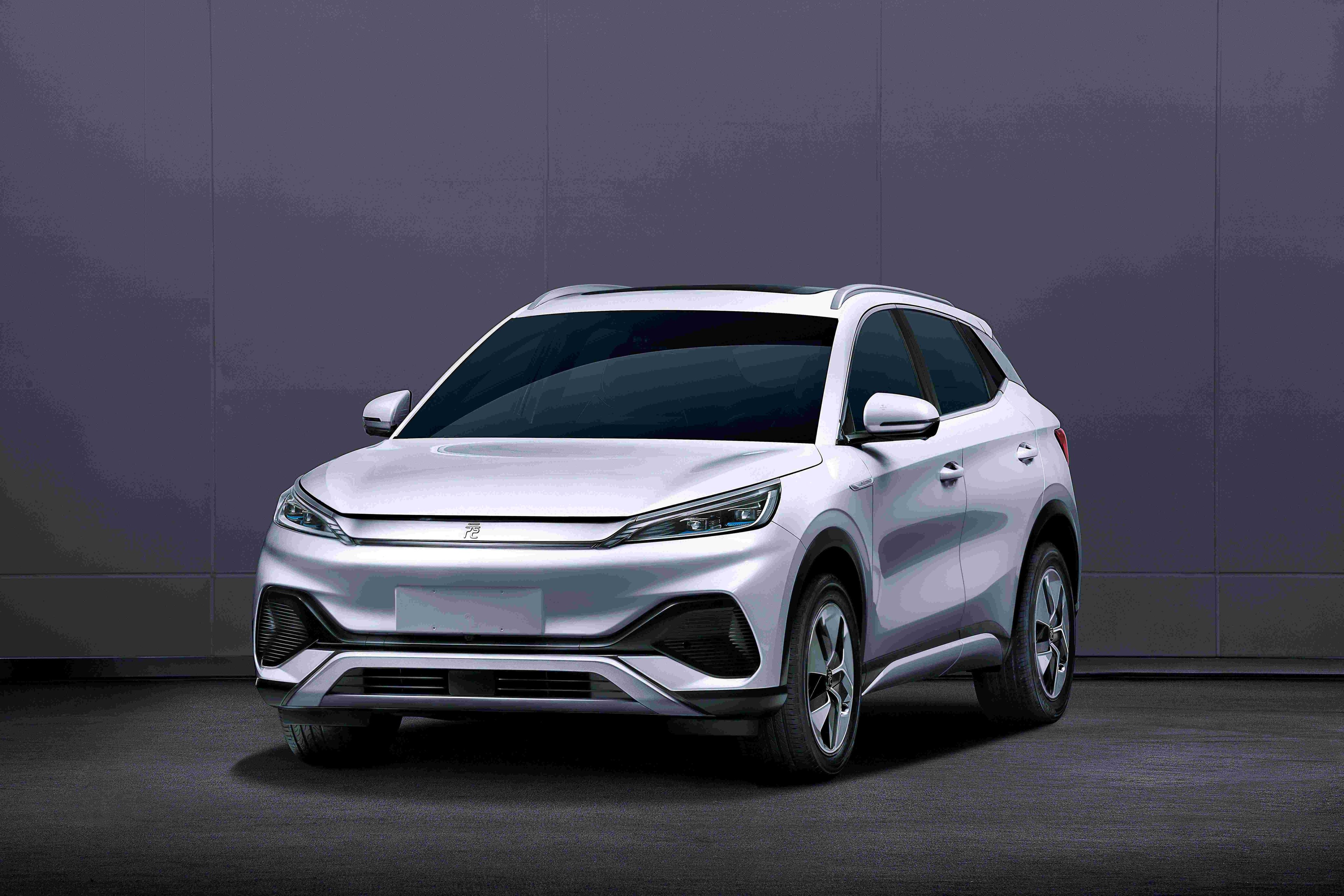
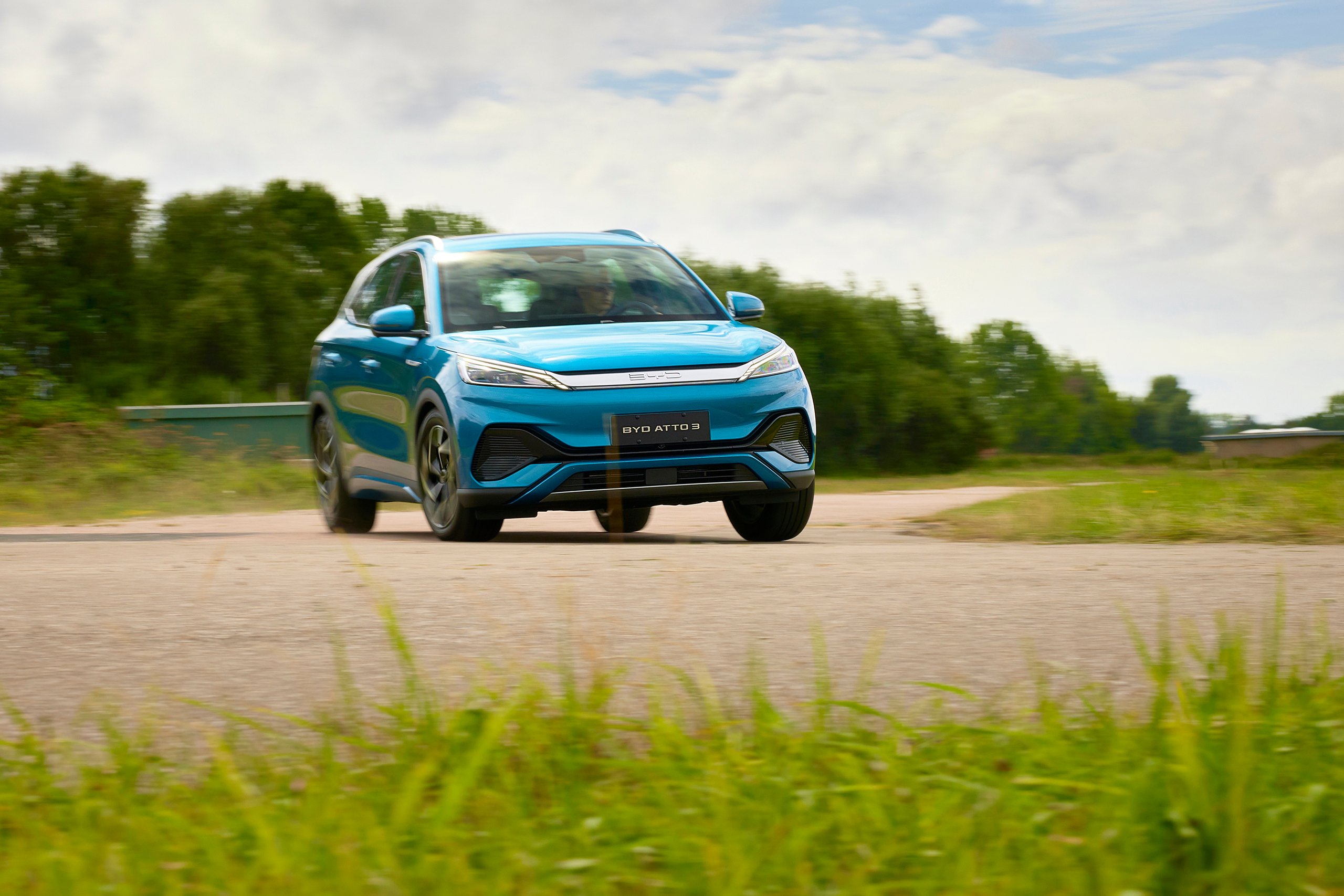
Some of them have begun exporting their cars and establishing a global footprint. And the early leader of the Chinese auto industry is BYD (BYDDY 1.30%). But China's own auto giant needs to prove one big thing this year for me to consider it a good stock for American investors to buy.

OTC: BYDDY
Key Data Points
Weathering the storm
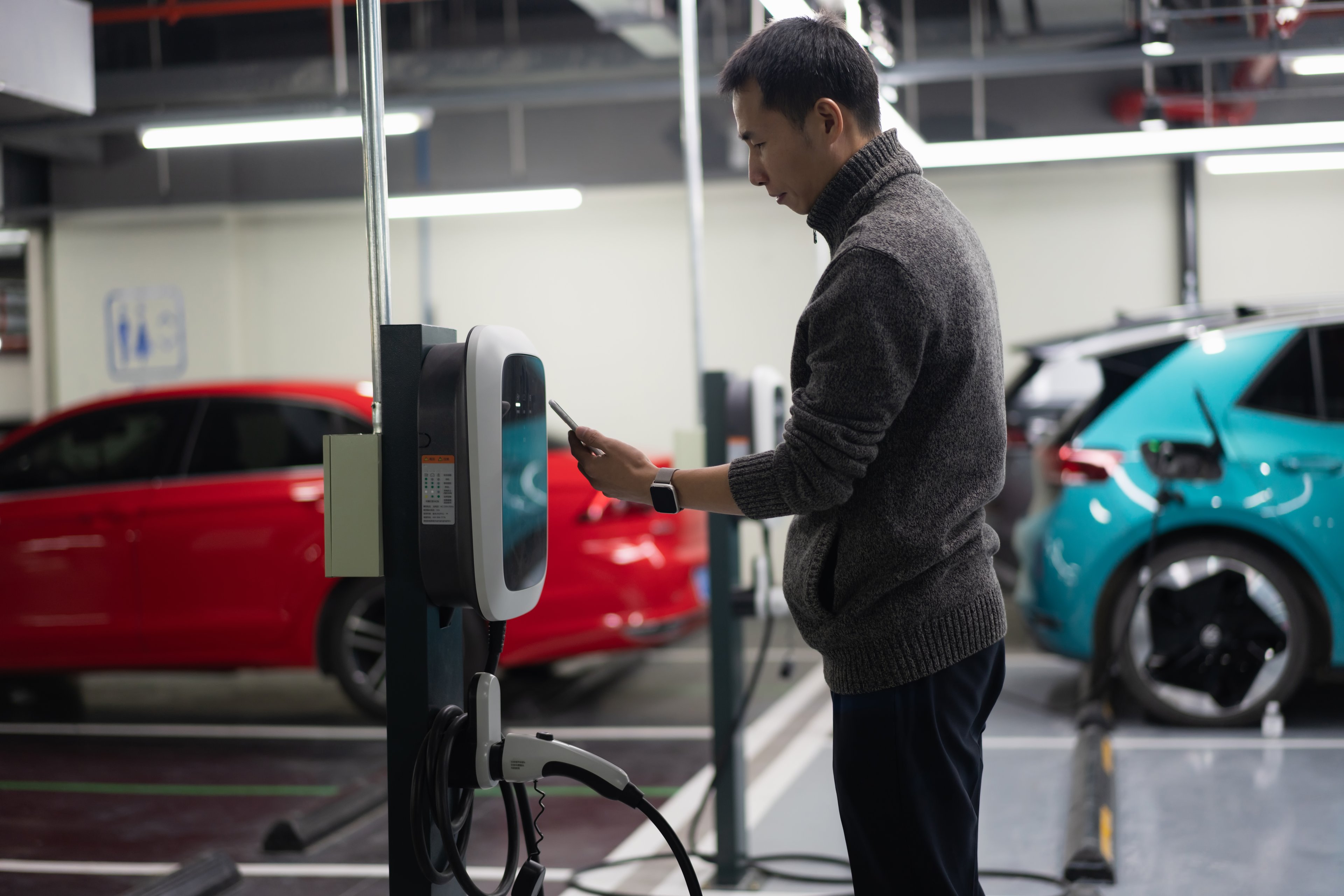
The main problem BYD will have to face is in its own market. The Chinese market has been the biggest buyer of electric vehicles (EV) and hybrids for a while now. The International Energy Association (IEA) projects EVs will make up 60% of all Chinese vehicle sales for 2025 (when the numbers are all out) and grow to 80% of all car sales in China by the end of the decade.
Much like how the U.S. had an EV tax credit until late in 2025 to encourage the purchase of new electric cars, China did the same thing. However, China's subsidies and tax breaks were much more aggressive.
But now that China's EV market is mature and developed, the government is cutting those subsidies. Fitch reports that, because government subsidies ended earlier than expected, it projects Chinese domestic passenger vehicle sales to decline in 2026.
The other issue, faced not just by Chinese EV manufacturers, is the rise in price of lithium and other minerals vital to battery production. Lithium's spot price just 12 months ago was just shy of $11 per kilogram. It has since more than doubled to $23 per kilogram. Prices are up 35% year to date already in 2026.

Image source: Getty Images.
Seeing the costs of a vital material double in a year is bad news for any company. And BYD's most recent results reflect that. Revenue for the company's third quarter of 2025 dropped 3.05% from Q3 2024 and its diluted earnings per share (EPS) fell 36%. Net operating cash flow for the first nine months of 2025 fell 27.42% and EPS for the same period were down 11.42% compared to 2024.
It wasn't all bad news for BYD though, its operating revenue for the first nine months of 2025 was up 12.75% over the same period in 2024. The company is also still profitable despite its drop in earnings and has a gross margin of 19.9%, an operating margin of 4.7%, and a net margin of 4.28%.
So, what does BYD need to prove in 2026? Namely that it can succeed in a rough market and without much help from Beijing. Since 2014 China has not had a year where EV and hybrid sales did not increase. 2026 is shaping up to potentially be the first and BYD needs to prove it can weather that storm and retain its position in the Chinese market.
If BYD can manage that and hold its own or grow even in spite of a rough market, my confidence in it as an investment will increase.