American Express (AXP +1.27%) is best known for its premium credit cards and affluent customer base. While it charges higher merchant fees than rivals, that model has helped Amex build a loyal, high-spending customer mix -- an advantage as global wealth continues to grow.
Founded in 1850 as a freight company, American Express entered the credit card business in 1958 and helped shape the modern payments industry with innovations like traveler’s checks, plastic cards, and premium charge cards. Today, Amex remains a payments powerhouse, with nearly 150 million active cards and strong growth in card fees, even as annual fees have risen.
Its long track record of profitability and brand strength has attracted notable investors, including Warren Buffett’s Berkshire Hathaway, which is Amex’s largest shareholder.
How to invest in American Express
- Open your brokerage app: Log in to your brokerage account where you handle your investments. If you don't have one yet, take a look at our favorite brokers and trading platforms to find the right one for you.
2. Search for American Express: Enter the ticker "AXP" into the search bar to bring up the stock's trading page.
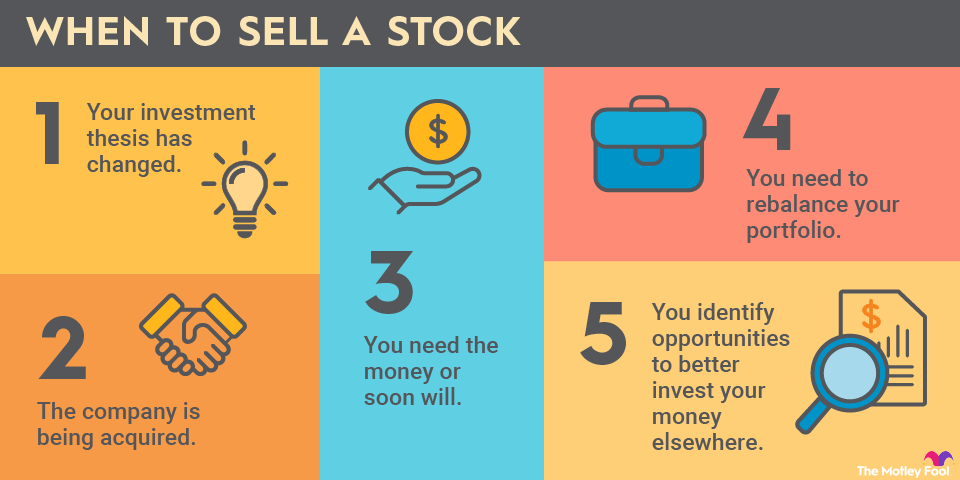
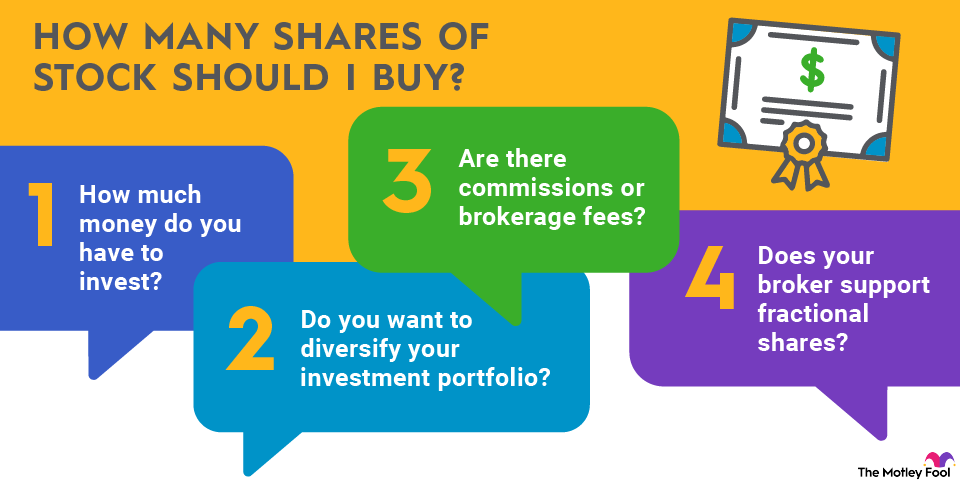
3. Decide how many shares to buy: Consider your investment goals and how much of your portfolio you want to allocate to this stock.
4. Select order type: Choose between a market order to buy at the current price or a limit order to specify the maximum price you're willing to pay.
5. Submit your order: Confirm the details and submit your buy order.
6. Review your purchase: Check your portfolio to ensure your order was filled as expected and adjust your investment strategy accordingly.
Should you invest in American Express?
Reasons you might want to consider investing in American Express (Amex):
- You like to invest in companies with strong growth potential. American Express has consistently demonstrated strong revenue and profit growth, largely due to its global cardholder base and complex payment network rather than its banking services. It reported net income of more than $10 billion on revenue of $66 billion in 2024, and predicts revenue to grow 8% to 10% in 2025.
- Exclusive rewards and loyalty programs keep customers' loyalty. One of the best ways to determine if a company will grow in the future is how well it retains its customer base. Amex has some of the best rewards in the business, and they keep people coming back. Amex's strong rewards programs, particularly in travel and luxury spending, drive customer retention and high spending volume, which translates into revenue growth. With premium cards like a platinum card offering benefits such as 5% back on travel and access to airport lounges, Amex attracts affluent customers who tend to be loyal, and that supports its revenue. Many Amex Platinum users continue to pay the high annual fees because of perks like travel credits, which can offset the cost.
- Global reach means diversification in revenue streams. Amex is accepted at more than 80 million merchant locations worldwide in 120 countries and territories. This is important because it diversifies risk outside of its U.S. market. Its business model of charging higher merchant fees across the board ensures strong profit margins, while its cardholder base provides a stable income stream.
Reasons why you might consider not investing in American Express
- High merchant fees leading to limited acceptance. Unlike Visa and Mastercard, which charge lower fees, Amex's high transaction fees (as much as 3.5%) can limit its acceptance, particularly at small businesses. This can be frustrating for cardholders and may hurt wider market adoption in certain regions. Amex is less commonly accepted in some areas of Europe, particularly in smaller establishments or restaurants that favor Visa and Mastercard due to their lower fees. Travelers in regions like Vietnam or some European countries may find Amex accepted at larger shopping centers and chain restaurants but not at smaller businesses.
- Vulnerability to economic downturns. Amex is highly dependent on consumer spending, particularly in travel and luxury categories. In economic downturns or periods of lower consumer confidence, spending on credit cards tends to decline, which can hurt the company's earnings. During the Great Recession, Amex experienced significant losses with profits cut almost in half during the second quarter of 2009 as cardholders defaulted on payments and reduced spending.
- You think competition and change might dilute the payment market. The entry of technology into the payments space is resulting in more competition, meaning the market could become diluted. The rise of digital wallets and mobile payment platforms like Apple Pay, Google Pay, and WeChat is challenging traditional credit card models, including Amex. These platforms offer lower fees and more convenience, particularly among younger generations, which may erode Amex's market share over time -- although it should be noted that Gen Z and millennials made up roughly one-third of Amex total spending in late 2024.
Is American Express profitable?
American Express is profitable. In recent financial reports, the company has consistently demonstrated robust earnings. For the current fiscal year, American Express anticipates continued revenue growth of 9% to 11%. With a large and extremely loyal customer base, particularly with premium cardholders, Amex maintains quite a good financial position, driven by transaction fees, interest income, and its expanding global reach.

NYSE: AXP
Key Data Points
Does American Express pay a dividend?
American Express pays a dividend. The company has a dividend yield of 1.01% as of the latest year, and increased its annual dividend payout from $2.80 to $3.28 per share.
How to invest in American Express through ETFs
There are several ETFs with exposure to American Express that are tracking electronic and mobile payments stocks rather than bank ETFs, and some that are tracking a basic portfolio of stocks on an index that contains American Express.
Here are a few:
ETF
ticker | ETF name | Exposure to AXP | Assets | Expense ratio |
|---|---|---|---|---|
SPDR S&P 500 ETF | 0.34% | $632.8B | 0.0945% | |
iShares Core S&P 500 ETF | 0.34% | $627.5B | 0.03% | |
ALPS Global Travel Beneficiaries ETF | 4.34% | $6.4M | 0.65% | |
LAFFER TENGLER Equity Income ETF | 5.12% | $16.2M | 0.95% | |
Vanguard Total Stock Market ETF | 0.25% | $473.5B | 0.03% |
Will American Express stock split?
As of now, there is no official announcement from American Express regarding a stock split. The company's last stock split happened in 2005. Stock splits usually occur when a company's share price has risen to a point where it wants to make it more affordable and accessible to more investors.
Currently, American Express is focusing on its growth strategy. This generally means that the company is performing well, prioritizing its financial growth, and continued growth will fuel speculation of a possible stock split. Typically, companies announce stock splits to lower per-share prices and attract new retail investors. The 2005 split occurred when AXP traded for $57 per share; in mid-2025, a share of Amex traded for about $325. However, without an official statement, it's just speculation whether they will decide to split their stock anytime soon.
The bottom line
American Express is a blue chip stock, and bank stocks are generally considered safe, although this isn't considered a traditional bank stock. With that comes low volatility, but not a knock-you-out-of-this-park upside. That being said, it's a great one for the portfolio because it experiences stable year-over-year growth and pays a dividend, which is great for the income-focused investor. American Express should be a consideration for anyone with a long-term horizon, but the company's finances should be reviewed by investors on a regular basis.
Related investing topics
FAQ
About the Author