As investor interest in space stocks grows, Firefly Aerospace (FLY +3.40%) has emerged as a newly public option for exposure to the commercial space economy.
Firefly went public in 2025 and develops launch vehicles and spacecraft for government and commercial customers. In March 2025, it became one of the first private companies to successfully land on the moon, delivering instruments for NASA.
With the global space economy projected to grow from $596 billion in 2024 to $944 billion by 2033, Firefly is positioning itself early in a rapidly expanding industry.
How to buy Firefly Aerospace stock
For investors who are interested in reaching for the stars with one of the newest space stocks available on the market, there are a few basic steps to take.
- Open your brokerage app: Log in to your brokerage account where you handle your investments. If you don't have one yet, take a look at our favorite brokers and trading platforms to find the right one for you.
- Search for Firefly Aerospace: Enter the ticker "FLY" into the search bar to bring up the stock's trading page.
- Decide how many shares to buy: Consider your investment goals and how much of your portfolio you want to allocate to this stock.
- Select order type: Choose between a market order to buy at the current price or a limit order to specify the maximum price you're willing to pay.
- Submit your order: Confirm the details and submit your buy order.
- Review your purchase: Check your portfolio to ensure your order was filled as expected and adjust your investment strategy accordingly.
Should you invest in Firefly Aerospace?
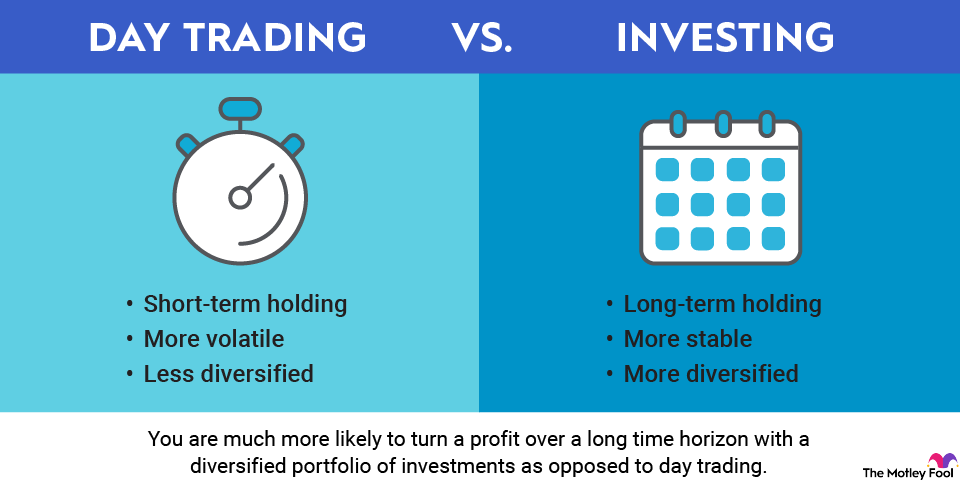
Firefly Aerospace is a speculative investment. Investors with lower risk tolerance may prefer gaining space-industry exposure through an ETF rather than owning Firefly stock directly.
While some are confident that investing in Firefly Aerospace is a smart investment for them, others may not have the same priorities. If you can answer yes to most of the following questions, however, investing in Firefly Aerospace may be the right move for you:
- Are you looking for exposure to an innovative space stock that has strong growth potential?
- Do you need more portfolio diversification?
- Are you comfortable investing in an unprofitable company whose stock represents a higher degree of risk?
- Are you OK with not generating dividends from your investment?
- Since the space industry may not develop as quickly as expected, can you exercise patience while the industry matures, even though it may take longer than you previously anticipated?

NASDAQ: FLY
Key Data Points
Is Firefly Aerospace profitable?
Firefly Aerospace is generating rapid revenue growth but remains unprofitable.
For the quarter ended March 31, 2025, revenue rose to $55.9 million, up from $8.3 million a year earlier. The company also posted a gross profit of $2.2 million, compared with a gross loss in the prior year.
Despite this progress, Firefly reported a net loss of $60.1 million for the quarter as it continues to invest heavily in growth.
Does Firefly Aerospace pay a dividend?
As of September 2025, Firefly didn't pay a dividend. Since the company is in the early innings of its development, it's unlikely it will start to do so at any point in the near future. The company, for example, states in its S-1 that it "currently intend[s] to retain any future earnings to fund the development and growth of our business. Therefore, we do not anticipate paying any cash dividends in the foreseeable future."
How to invest in Firefly Aerospace through ETFs
Because Firefly Aerospace stock doesn't have a lengthy time on the market, it hasn't found its way into many exchange-traded funds (ETFs) as of September 2025. But investors who were hoping to gain exposure to Firefly Aerospace through an ETF are not completely out of luck since there are ETF options that provide ample space stock exposure.
- ARK Space Exploration & Innovation ETF (ARKX -1.05%): Since March 2021, the ARK Space Exploration & Innovation ETF has provided investors with access to a basket of companies operating in and around space. The ETF, led by Cathie Wood, has about $406 million in net assets as of September 2025. Kratos Defense & Security Solutions (KTOS -0.56%), Rocket Lab (RKLB -2.25%), and drone stock AeroVironment (AVAV +0.38%) represent the fund's top three holdings.
- SPDR S&P Aerospace & Defense ETF (XAR -1.32%): With about $4.1 billion in assets under management, the SPDR S&P Aerospace & Defense ETF is a sound option for conservative investors. Rocket Lab is the fund's largest position, while Kratos Defense & Security and AeroVironment round out the top three positions in the fund.
The bottom line
Firefly Aerospace may seem like an out-of-this-world investment opportunity, but it's important to recognize that, because the company is unprofitable and growth in the space industry may develop more slowly than investors anticipate, the stock is best left to those who are undaunted by a more speculative investment.
Whether you're interested in piloting Firefly Aerospace into your portfolio or you're more comfortable sitting on the sidelines for the time being, Firefly Aerospace is certainly a space stock to follow closely.
Related investing topics
FAQ
About the Author