Helion Energy has a bold goal to do what no company has ever done: harness the immense power of fusion energy. Fusion, the process that the sun and stars use to create energy, could provide the world with an abundant form of low-cost, emissions-free energy. Fusion energy could help solve climate change by providing the world with a large-scale, clean power source.
Many believe fusion power is still decades away. However, Helion Energy plans to start producing electricity from fusion by 2028. It has already agreed to supply tech titan Microsoft (MSFT +0.81%) with at least 50 megawatts of fusion electricity per year in 2028. If it doesn't, it will have to pay financial penalties.
Microsoft isn't the only big name in tech that believes in Helion's ability to unlock the power of fusion. OpenAI's founder and CEO, Sam Altman, is one of the company's top investors, and his artificial intelligence (AI) startup is looking to buy lots of fusion power from Helion Energy.

Fusion's promise and Helion Energy's big-name backers have many investors eagerly anticipating its initial public offering (IPO). Here's everything you need to know about investing in Helion Energy ahead of any future IPO.
Is Helion Energy publicly traded?
Helion Energy is not a publicly traded company. It's a private company owned by Altman and other investors, including Mithril Capital, Capricorn Investment Group, Dustin Moskovitz, Lightspeed, SoftBank Vision Fund 2, and Nucor (NUE +1.99%).
IPO
When will it IPO?
Helion Energy didn't have an IPO on the calendar as of late 2025. The company was still in the early stages of development. It aims to begin generating electricity from fusion power by 2028, which it will provide to technology titan Microsoft. It has raised over $1 billion from investors (including another $425 million in early 2025) to bring its bold vision to life. Helion Energy will likely wait until it's further along in its development, including proving it can produce power from fusion, before going public.
Is Helion Energy profitable?
As a private company, Helion Energy doesn't have to publicly disclose its financial results, so there wasn't any publicly available information about its profitability.
However, the company likely wasn't profitable. It was still working to develop commercial fusion power. It has committed to begin producing fusion power by 2028 for Microsoft. If it doesn't, it will need to pay financial penalties. It also has a deal to build a plant to produce power for steelmaker Nucor, which it hopes to bring online in the 2030s.
The company isn't yet producing power, so it's likely not generating revenue while posting significant losses. Helion is investing heavily in testing its fusion technology as it works towards a commercial breakthrough. Since no company has ever produced electricity from fusion, Helion might never make money on the technology.
Alternatives to Helion Energy
Because Helion Energy is still a private company, you can't buy its shares in a brokerage account. However, accredited investors (i.e., those with a high net worth or high income) can sometimes buy shares of pre-IPO companies on secondary marketplaces, like Forge Global (FRGE +0.11%) and Hiive. Accredited investors who really want to buy pre-IPO shares of Helion should check out secondary market platforms to see if any have shares of the fusion company available.
Non-accredited investors will need to wait for Helion Energy's IPO to buy shares. In the meantime, they can invest in a company that, like Helion Energy, is seeking to help address climate change by investing in emissions-free energy sources. Here are three alternatives in the nuclear energy sector to consider buying while you await Helion Energy's IPO:
Oklo
Oklo (OKLO -12.58%) is another nuclear energy company backed by Altman. It's developing a small modular nuclear reactor design and plans to sell electricity to the power market. Oklo went public in 2024 through a business combination with a special purpose acquisition company (SPAC). The transaction provided money to help fund the initial development of its Aurora powerhouse.
Constellation Energy
Constellation Energy (CEG -6.81%) is the nation's largest producer of carbon-free energy. It has the country's largest nuclear fleet. The power company also operates hydro, wind, and solar energy assets. Constellation Energy is exploring the potential of adding small modular reactors and other technology to its existing sites as it seeks to expand its nuclear energy-generating capacity. It agreed to buy Calpine in a $26.6 billion deal in early 2025 to further expand its clean energy platform by adding gas and geothermal assets.
Cameco
Cameco (CCJ -9.26%) is one of the world's largest uranium producers. It also has a strategic partnership with Brookfield Asset Management (BAM +4.88%) and its renewable energy affiliate, Brookfield Renewable (BEP -1.12%)(BEPC -0.93%), which owns the nuclear service company Westinghouse Electric. Along with providing fleet services, Westinghouse designed the AP100 reactor and has smaller reactor designs under development.
How to buy stocks similar to Helion Energy
People who want to invest in one of these publicly traded nuclear companies can do so through any brokerage account. Here's a step-by-step guide on how to invest in stocks seeking to capitalize on the growth ahead for lower-carbon energy.
- Open your brokerage account: Log in to your brokerage account where you handle your investments.
- Search for the stock: Enter the ticker or company name into the search bar to bring up the stock's trading page.
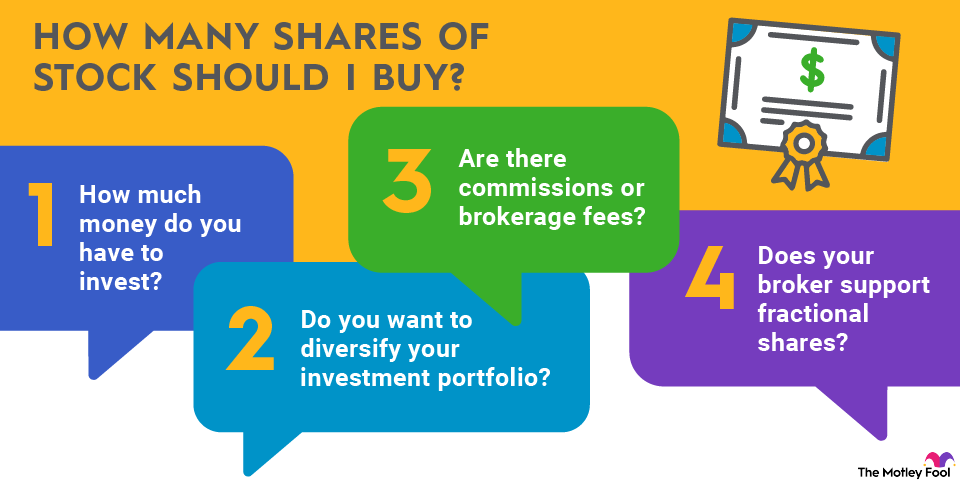
- Decide how many shares to buy: Consider your investment goals and how much of your portfolio you want to allocate to this stock.
- Select order type: Choose between a market order to buy at the current price or a limit order to specify the maximum price you're willing to pay.
- Submit your order: Confirm the details and submit your buy order.
- Review your purchase: Check your portfolio to ensure your order was filled as expected and adjust your investment strategy accordingly.
ETFs with exposure to Helion Energy
Since Helion Energy remains a private company, you can't passively invest in the fusion company through an exchange-traded fund (ETF). However, you can invest in nuclear energy and other clean energy technology through ETFs. Here are some top options to consider:
- VanEck Uranium and Nuclear ETF (NLR 3.37%): This ETF aims to track the global nuclear energy sector, including uranium mining, nuclear power production, and companies that provide services to the nuclear industry. The fund had 26 holdings in late 2025, including Constellation Energy (second-largest at 7.39% of its holdings), Cameco (first-largest at 8.06%), and Oklo (third-largest at 7.06%). It had a 0.56% ETF expense ratio.
- iShares Global Clean Energy ETF (ICLN -0.11%): This fund tracks companies focused on clean energy. It had 102 holdings in late 2025, including a top-10 holding, Iberdrola (IBDRY +0.81%), which gets 17% of its total power production from nuclear. The ETF had a 0.39% expense ratio.
- SPDR S&P Kensho Clean Power ETF (CNRG 0.09%): The fund aims to track companies driving innovation in the clean energy sector. The ETF had over 40 holdings in 2025, including the top ten holdings NextEra Energy (NEE +1.28%), which operates several nuclear power plants. It had a 0.45% expense ratio.
Should you invest in Helion Energy?
Most people can't invest in Helion Energy yet. That gives them a lot of time to decide whether the nuclear fusion company will be a good investment for their situation. With that in mind, here are some reasons why you might want to invest in Helion Energy when it goes public:
- You believe that Helion Energy can harness the power of fusion energy.
- You're a fan of Altman and want to invest in companies he's backing.
- You believe that Helion Energy will eventually be able to make money on fusion technology.
On the other hand, here are some reasons why Helion Energy might not be right for you:
- You don't think we'll ever harness the power potential of fusion.
- You're concerned about Altman's involvement in the company.
- You don't know if fusion power will ever be commercially viable.
- You're concerned about the amount of money Helion Energy will need in the future to develop its technology and generating facilities.
The bottom line on Helion Energy
Helion Energy wants to boldly do what no company has done before: harness fusion energy. The emissions-free power source could supply the world with nearly limitless power. This bold vision could have a huge payoff for the company and the global economy. Helion Energy is at least several years away from delivering on that grand ambition. The promise of fusion power makes Helion Energy an important company to watch in the coming years.
Related investing topics
FAQ
Investing in Helion Energy FAQ
About the Author