Navan still has a long growth runway ahead of it. That has many investors eager to book their purchase of its stock. Here's everything you need to know about investing in Navan.

How to buy Navan stock
Now that it's a publicly traded company, anyone can invest in Navan stock. Here's a step-by-step guide on how to buy shares.
- Open your brokerage account: Log in to your brokerage account, where you handle your investments. If you don't have one yet, take a look at our favorite brokers and trading platforms to find the right one for you.
- Search for Navan: Enter the ticker "NAVN" into the search bar to bring up the stock's trading page.
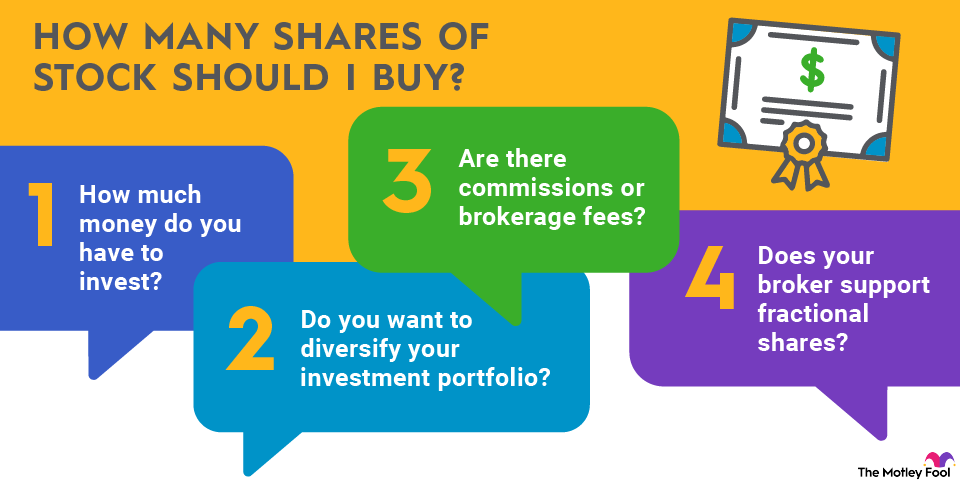
- Decide how many shares to buy: Consider your investment goals and how much of your portfolio you want to allocate to this stock.
- Select order type: Choose between a market order to buy at the current price or a limit order to specify the maximum price you're willing to pay.
- Submit your order: Confirm the details and submit your buy order.
- Review your purchase: Check your portfolio to ensure your order was filled as expected and adjust your investment strategy accordingly.
Is Navan profitable?
Navan reported its fiscal 2026 third-quarter financial results in mid-December 2025, its first as a public company. The leading all-in-one business travel, payments, and expense management platform recorded $195 million of revenue in the period, a 29% year-over-year increase. While Navan reported a generally accepted accounting principles (GAAP) net loss of $225 million in the quarter (compared to a net loss of $42 million in the year-ago period), its non-GAAP (adjusted) net income was $9 million (compared to a non-GAAP net loss of $14 million last year).
For fiscal 2026, Navan expects to report $685 million-$687 million of revenue and $21 million to $22 million of non-GAAP income from operations.
Does Navan pay a dividend?
Navan has yet to initiate a dividend.
Should you invest in Navan?
Investing in individual stocks can be a deeply personal decision. Here are a few reasons you might decide to invest in Navan:
- You use Navan's corporate travel and expense solutions and like the value it provides users.
- You want to invest in IPO stocks with strong growth potential.
- You believe Navan will become a consistently profitable company.
- You believe corporate travel will continue to grow, driving the need for solutions like Navan.
- You understand the risks of investing in an IPO stock, including that they can be very volatile.
On the other hand, here are some reasons you might decide not to invest in Navan:
- You're unsure what Navan does or how it makes money.
- You use a rival solution and don't see the value in Navan's platform.
- You're concerned about corporate travel's growth potential due to lower-cost alternative solutions like Zoom (ZM -4.55%).
- You're at or nearing retirement and can't afford the risk of a potentially volatile IPO stock.
- You're concerned about whether Navan can be consistently profitable.

NASDAQ: NAVN
Key Data Points
The bottom line
Navan's purpose-built, easy-to-use technology platform for travel and corporate expenses is winning over clients by saving them time and money. While thousands of companies already trust Navan, it has a long growth runway ahead.
Related investing topics
FAQ
Investing in Navan FAQ
About the Author