Roku (ROKU +1.10%) is a well-known streaming service and technology company. Its platform provides streaming content to TVs through its own devices or by licensing its operating system to TV manufacturers. Roku offers a user-friendly operating system that powers its various products.

NASDAQ: ROKU
Key Data Points
Roku products include streaming players (like the Roku Express or Roku Streaming Stick) and Roku TV models manufactured by partner brands. Users can access thousands of free and paid streaming channels or apps, such as Netflix (NFLX +1.17%), Walt Disney's (DIS +0.13%) Disney+, and The Roku Channel (Roku's own ad-supported service) through the platform.
Roku was founded in October 2002 by Anthony Wood, a technology veteran who previously invented the digital video recorder (DVR) at his company ReplayTV. Roku initially focused on building various internet-connected digital media products. Then, in 2007, Netflix hired Wood to lead a project to create a Netflix streaming device.
Netflix eventually decided not to build its own hardware, as management feared backlash from other manufacturers who might otherwise integrate its service. Instead, Netflix spun the project out to Wood's independent company and became an early investor in Roku. Roku then launched its first product in May 2008.
From there, Roku expanded its platform to include thousands of channels from various content providers and developed different device types. Roku went public on Sept. 28, 2017, with its initial public offering (IPO) priced at $14 per share.
If you want to know how to invest in Roku, whether or not you should invest in Roku, whether it's profitable, and more, you've come to the right place.
How to buy Roku stock
Roku stock is publicly traded, so you can buy shares of the business like any other stock. Here are important steps to follow if you want to buy shares of Roku stock.
- Step 1: Open your brokerage account: Log in to your brokerage account where you handle your investments.
- Step 2: Search for the stock: Enter the ticker or company name into the search bar to bring up the stock's trading page.
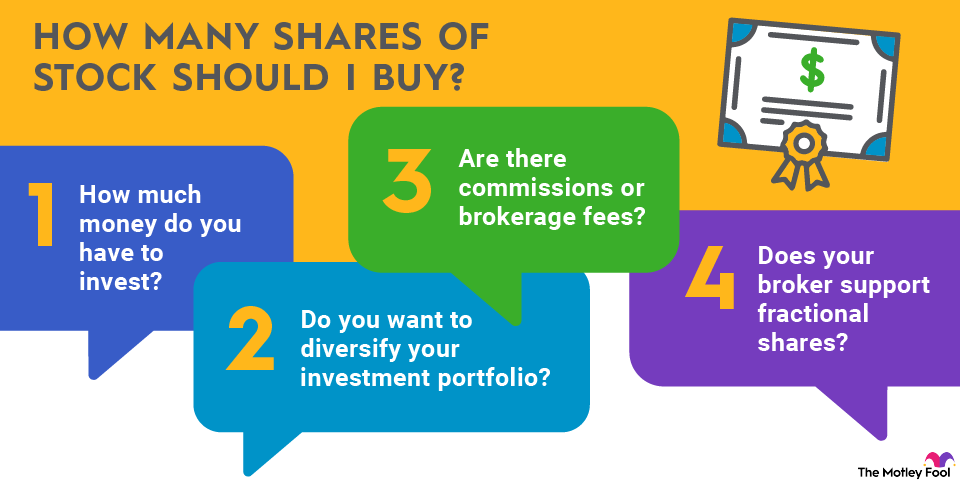
- Step 3: Decide how many shares to buy: Consider your investment goals and how much of your portfolio you want to allocate to this stock.
- Step 4: Select order type: Choose between a market order to buy at the current price or a limit order to specify the maximum price you're willing to pay.
- Step 5: Submit your order: Confirm the details and submit your buy order.
- Step 6: Review your purchase: Check your portfolio to ensure your order was filled as expected and adjust your investment strategy accordingly.

Should I invest in Roku?
Whether you should invest in Roku will depend on the types of stocks you gravitate toward and whether the business aligns with the overall composition of your investment portfolio. Roku primarily makes money through its platform business, which generates the vast majority of its revenue from digital advertising, streaming service distribution, and content deals.
The company's lower-margin device segment, which sells streaming players and smart TVs, has historically served as a customer acquisition strategy to expand its user base for the more profitable platform business. As demand for its products and services normalized after the COVID-19 pandemic, Roku faced difficult comparative periods and a deceleration in growth rates, which disappointed investors accustomed to its previous high-flying performance.
The devices segment has faced declining revenues recently due to increased manufacturing costs, tariffs, and consumers tending to hold on to their existing devices longer. Roku also faces competition from tech heavyweights like Amazon's (AMZN -1.80%) Fire TV and Apple's (AAPL +0.04%) Apple TV, as well as smart TV manufacturers like Samsung Electronics (SSNL.F +56.02%).
If the competitive landscape and near-term headwinds that Roku is facing concern you, it might be best to look at another streaming stock. All that said, there are some green flags for long-term investors to consider that might compel some buy-and-hold investors with the appropriate time horizon to take a second look at the company.
For one, the ongoing transition of consumers from traditional cable and broadcast TV to streaming is a trend that still has significant room for growth both in the U.S. and internationally, which can also serve as a durable tailwind for Roku's business.
Since Roku's primary revenue driver is advertising, it's well positioned to benefit as more ad dollars shift from traditional TV to the faster-growing connected TV (CTV) market. Advertisers are increasingly drawn to the targeted, measurable ad performance that platforms like Roku offer. Roku has maintained its position as the top-selling TV operating system in the U.S., Canada, and Mexico, with a large and growing active account base (more than 90 million).
This scale provides a strong foundation for monetizing a large, engaged audience. Roku is enhancing its advertising technology by integrating with major third-party demand-side platforms (DSPs) like The Trade Desk (TTD -1.04%) as well. These integrations make it easier for a wide range of advertisers to buy ad slots, increasing demand and potentially ad prices in the long run.
In the third quarter of 2025, total revenue was $1.21 billion, an increase of 14% year over year. The high-margin platform segment performed well, with revenue growing 17% year over year to $1.07 billion, thanks to growth in video advertising and streaming service distribution. The devices segment was a negative point, with revenue declining 5% to $146 million, but total streaming hours increased by 4.5 billion year over year to 36.5 billion.
Is Roku profitable?
Roku became profitable again in the second quarter of 2025 and achieved its first quarterly operating profit since 2021. The company has since sustained profitability, and in the third quarter of 2025, Roku generated net income of $24.8 million.
Does Roku pay a dividend?
No, Roku does not pay a dividend, and management has no plans to initiate one. Given the company's struggle to maintain profitability in recent years, a dividend seems extremely unlikely.
ETFs with exposure to Roku
Exchange-traded funds (ETFs) with exposure to Roku include the ARK Innovation ETF (ARKK -2.04%), the iShares U.S. Telecommunications ETF (IYZ -2.60%), the Roundhill Streaming Services & Technology ETF (NYSEMKT:SUBZ), and the Vanguard Communication Services Index Fund (VOX -0.78%).
Will Roku stock split?
No, Roku has not announced any stock splits, and the company has not had a stock split. Given that shares trade at around $100, a stock split seems unlikely. A stock split is usually done to make shares more affordable for individual investors and to increase overall liquidity.
Related investing topics
The bottom line on Roku
Roku is a leader in a growing industry and has recently improved its financial performance with a switch back to profitability, alongside its growing revenue from its core advertising business. For growth investors willing to tolerate a healthy level of risk from fluctuations in advertising spend and the increasingly competitive nature of its industry, Roku could pose a rewarding long-term investment.
However, the entertainment stock is not without risk, and it is best incorporated as part of a well-diversified portfolio.