Visa (V -0.67%) has traditionally generated revenue primarily by facilitating electronic funds transfers worldwide. It earns transaction fees when people use branded credit, debit, and prepaid cards. With the rise of mobile payments, there's been speculation about the viability of Visa's business model.
Though there might be changes in how Visa operates and profits from add-on services, Visa, with its market cap of more than $650 billion, is still poised for growth in the future. Let's explore the basics of investing in Visa stock.
How to buy Visa stock
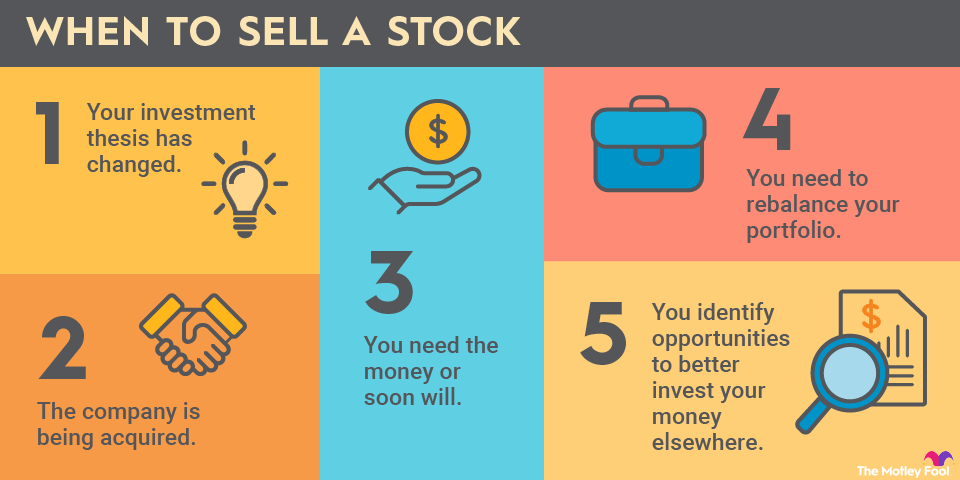
You can easily buy Visa shares through an online brokerage. Here's how to buy Visa stock:
- Open your brokerage account: Log in to your brokerage account where you handle your investments. If you don't have one yet, take a look at our favorite brokers and trading platforms to find the right one for you.
- Search for Visa: Enter the ticker "V" into the search bar to bring up the stock's trading page.
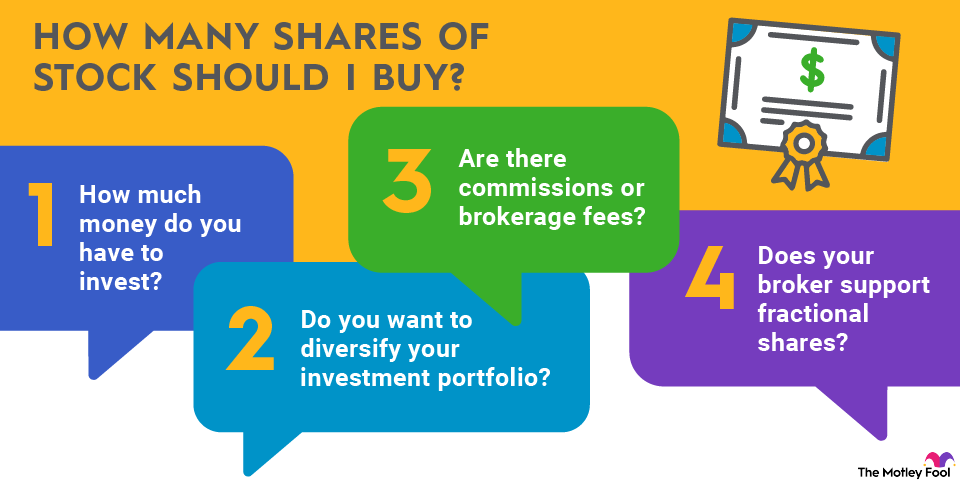
- Decide how many shares to buy: Consider your investment goals and how much of your portfolio you want to allocate to this stock.
- Select order type: Choose between a market order to buy at the current price or a limit order to specify the maximum price you're willing to pay.
- Submit your order: Confirm the details and submit your buy order.
- Review your purchase: Check your portfolio to ensure your order was filled as expected and adjust your investment strategy accordingly.
Should you invest in Visa stock?
Deciding whether to invest in Visa stock depends on your personal circumstances and investment strategy. Here are some key points to consider:
When you might consider investing in Visa:
- You are looking for long-term growth potential. If you're looking for a stable investment with the potential for steady growth over time, Visa's position as a blue chip stock and its role in the global payments industry make it a strong candidate. Visa has a track record of consistent revenue and profit growth, driven by increasing global adoption of electronic payments.
- You want diversification. As a major player in the financial sector, Visa provides exposure to the consumer finance and payment processing industries. This can help balance your portfolio if you're invested in other sectors like technology or healthcare.
- You crave low volatility. Visa is included in several major index funds and ETFs, which can help reduce portfolio volatility. If you prefer investments that offer more stability and less price fluctuation, Visa stock could be a fit.
When you might avoid investing in Visa:
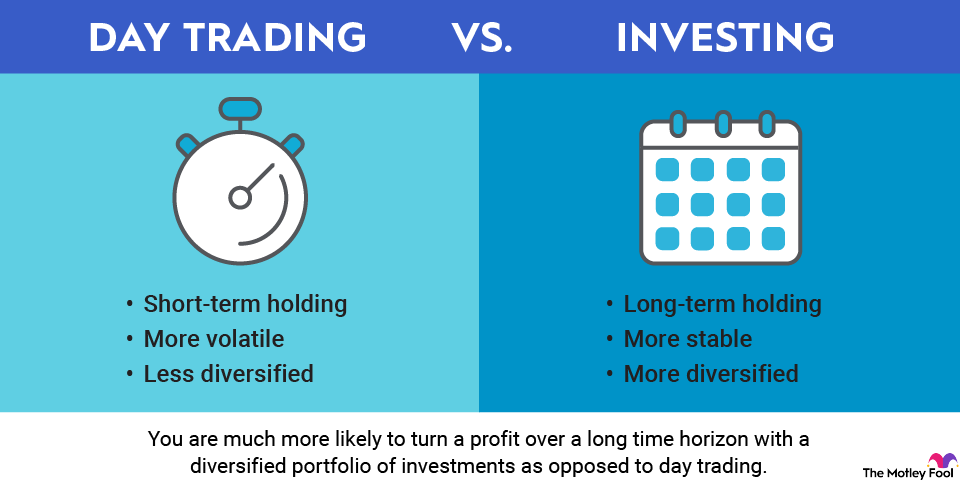
- You are a short-term investor looking for short-term gains. As a blue chip stock, it tends to have less dramatic price swings compared to more volatile stocks, meaning the potential for rapid gains (or losses) is lower.
- You have a high risk tolerance. If you have a high risk tolerance and are looking for investments with the potential for significant short-term gains, you might prefer more volatile stocks or financial products like options and derivatives. Visa's steady performance might not align with your risk appetite.
- You're into something more niche. If you're interested in emerging sectors or companies at an earlier stage of growth, Visa's mature market position might not fit your investment profile.

NYSE: V
Key Data Points
Is Visa profitable?
Visa is delivering strong earnings in the third quarter of 2025, reporting $10.2 billion in planned revenue, a 14% increase compared to the previous year. For the quarter ending last year, Visa processed 65.4 billion transactions, reflecting 10% year-over-year growth.
Visa's earnings per share (EPS) continued to rise, with GAAP EPS reported in the latest Q3 earnings call to be $2.69. The non-GAAP (adjusted) EPS, which accounts for one-time gains and costs, was reported at $2.98.
Does Visa pay a dividend?
Visa pays a dividend with a forward yield of approximately 0.68%. Visa's annual dividend has grown more than fivefold in the past decade.
How to invest in Visa through ETFs
Many ETFs and index funds track a specific index. Some ETFs with significant Visa holdings include some S&P 500 ETFs and other technology and financial sector ETFs.
ETF Ticker | ETF Name | Exposure to Visa | Segment | Expense Ratio |
|---|---|---|---|---|
VTI | Vanguard Total Stock Market ETF | 6.9% | CRSP US Total Market | 0.03% |
SPMB | SPDR Portfolio Mortgage Backed Bond ETF | 6.36% | Bloomberg US Aggregate Securitized - MBS | 0.04% |
IVV | iShares Core S&P 500 ETF | 7.68% | S&P 500 | 0.03% |
VOO | Vanguard S&P 500 ETF | 7.94% | S&P 500 | 0.03% |
VUG | Vanguard Growth ETF | 12.01% | CRSP US Large Growth | 0.04% |
Will Visa's stock split?
Visa's stock split in 2015, with a 4-to-1 split. However, there is no indication that Visa will appear on the stock-split calendar in the near future. Stock splits are triggered by a variety of factors, such as market conditions and the company's stock performance, none of which indicate Visa's stock will split.
The bottom line
Like any investment, buying or selling Visa stock should be done in conjunction with many other analyses, such as valuation metrics and market sentiment. However, as a blue chip stock, Visa is considered to be less volatile and is thus a favorite of various name-brand ETFs and more long-term-minded investors.