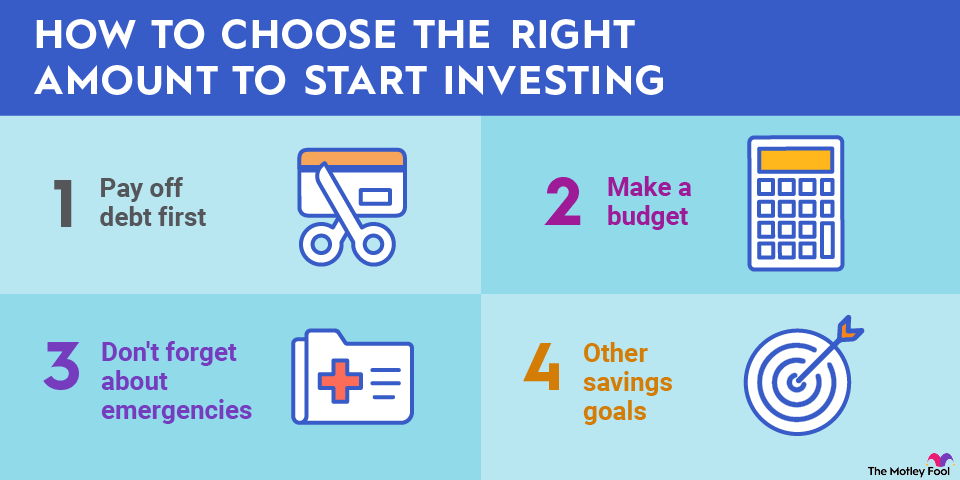
Here are some general guidelines on how to choose the right initial investment amount:
Pay off debt first
Investing is a long-term activity. Your investments will start generating money slowly and grow faster over time, thanks to compound interest, dividends, and price appreciation. High-interest debt like credit card balances will likely cost you more than your investments earn. Pay down any debt with an interest rate above roughly 7% before putting money into the market.
Make a budget
To make sure you're able to set aside money for investing consistently, write out a monthly budget covering your basic expenses (rent or mortgage, utilities, transportation, groceries, and loan payments) and your discretionary spending (dining out, entertainment, and shopping).
According to The Motley Fool's research on wasteful spending habits, 83% of Americans engage in wasteful spending at least occasionally, with frequent dining out, convenience store purchases, and online impulse buys topping the list. Millennials spend more than $100 per month on unplanned purchases on average. Identifying and redirecting even a portion of that spending can free up a meaningful amount to invest each month.
Don't forget about emergencies
While putting money into a retirement account offers tax advantages, it makes those funds much harder to access in a hurry. Make sure you have an emergency fund in place before putting money into the market. A general rule of thumb is to have about six months of average spending in an accessible savings account.
Account for other savings goals
You may also need to budget for a vacation fund, a car or home down payment, a home renovation, or other near-term goals. Consider keeping these in a dedicated savings account, separate from your emergency fund, so your long-term investments don't need to be tapped for shorter-term needs.
Once you've done those things
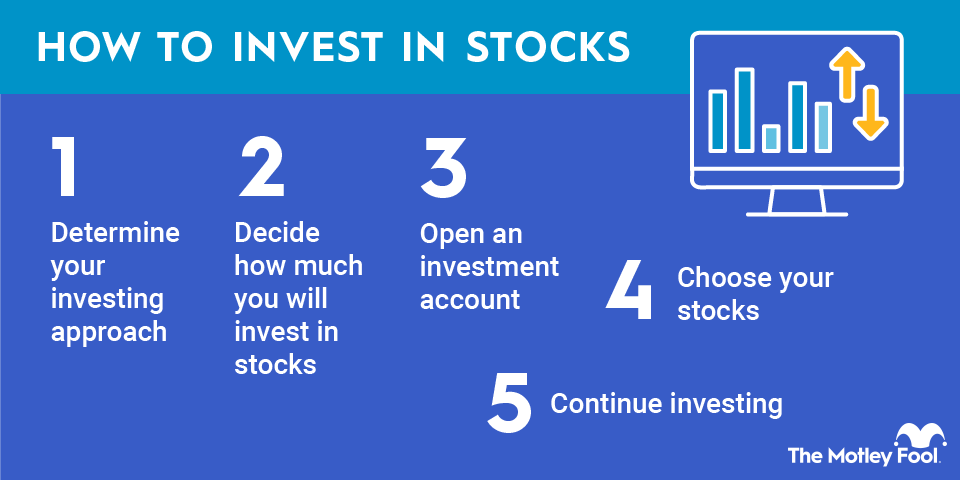
Once you've done those basic calculations and established some financial goals, you should be able to find an amount you can commit to investing every month. Depositing a consistent amount each month, even if it's small, will help you reach your financial goals far more quickly than a single lump sum and forgetting about it. Maybe that amount is $2,000 a month. Maybe it's $10. The overall amount matters less than the consistency.