The average American is getting a $3,521 tax refund as of March 27, 2026, according to the IRS -- that’s over 11% more than the average 2025 refund. The One, Big, Beautiful Bill Act gave Americans new tax breaks, including eliminating most income tax on tips and overtime, allowing a deduction for certain auto loan interest, and creating a new deduction specifically for seniors. As a result, tax refunds are higher than ever.
If you’re set to receive a big tax refund, one of the smartest moves you can make is to use the money to set yourself up for a financially stronger future by investing some or all of the money you get back.
In this article, we’ll dive into some of the best ways to put your tax refund to work, including suggestions from some of The Motley Fool’s top financial planning and investing experts.

4 of the best ways to invest your tax refund
When it comes to investing your tax refund, there are literally hundreds or even thousands of ways you can choose to do it. But the best options can be divided into four main categories.
1. Pay off high-interest debt
This one might not seem like an "investment", but hear me out. Over the long term, the stock market produces returns of 9%-10% per year, on average. While not guaranteed in any given year, some of the best investors can consistently manage returns in the 12%-14% ballpark. So, if you invest in stocks, mutual funds, or ETFs while you have credit card debt at 21% interest, you’re setting yourself up to lose money over time.
If you have high-interest debt, which can be loosely defined as anything with a double-digit interest rate, it can be a wise idea to pay it off before you think about investing money elsewhere. The average American has about $6,500 in credit card debt, so many people can benefit from this. The good news is that the average tax refund would cover more than half of this amount.
2. Build your emergency fund
Here’s another one that might not seem like an “investment” at first. But don't worry, those are coming. But let’s say you invest your tax refund in stocks, then your car gets a flat tire, and you have no savings. You’d be forced to sell the investments you just bought -- or worse, put the expense on a high-interest credit card.
Most financial planners recommend that you aim to have six months’ worth of expenses in an easily accessible place, like a savings account. This might sound like an intimidating amount of money, but you don’t need to get there right away. Even a $1,000 emergency fund will put you in a position to handle most unexpected expenses, and you’ll be in a better position than many Americans.
3. Invest in the stock market
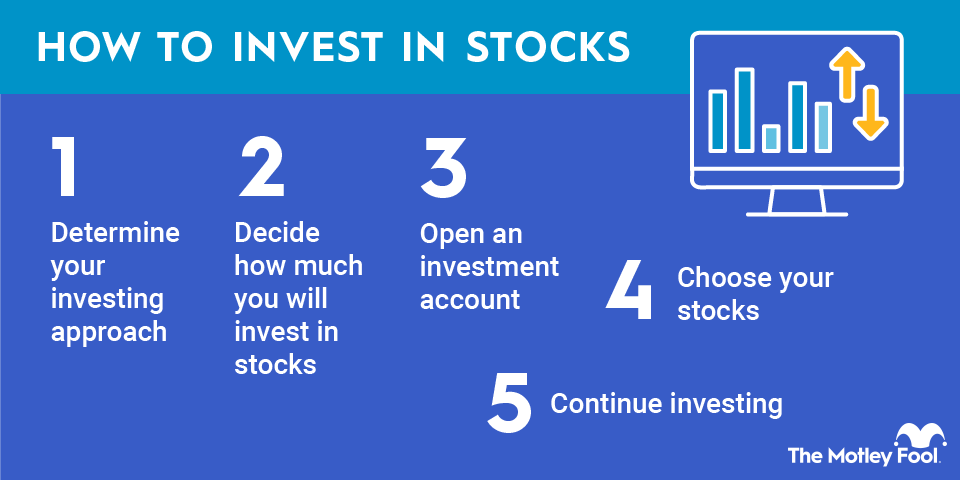
Now for the fun part. Investing in the stock market over the long term is the most surefire way to build wealth. But that doesn’t mean that you need to invest in individual stocks (although if you have the desire, it can be a great way to go).
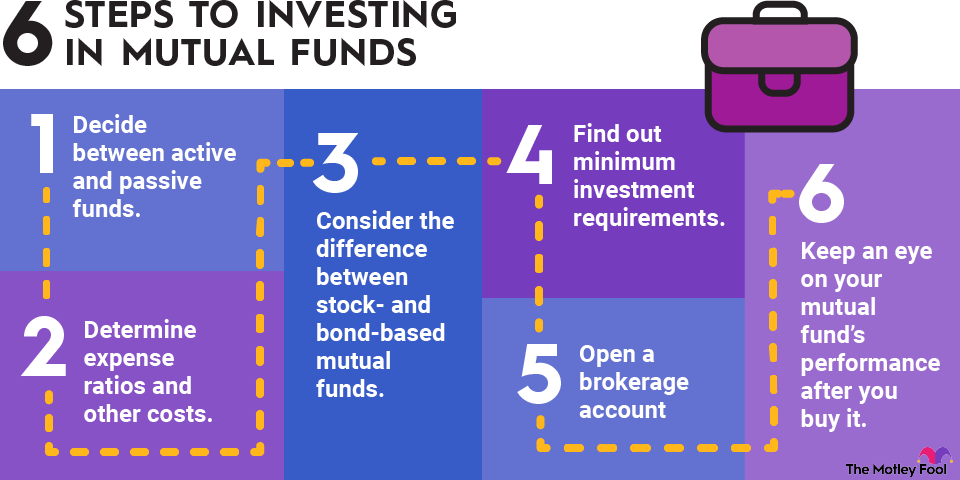
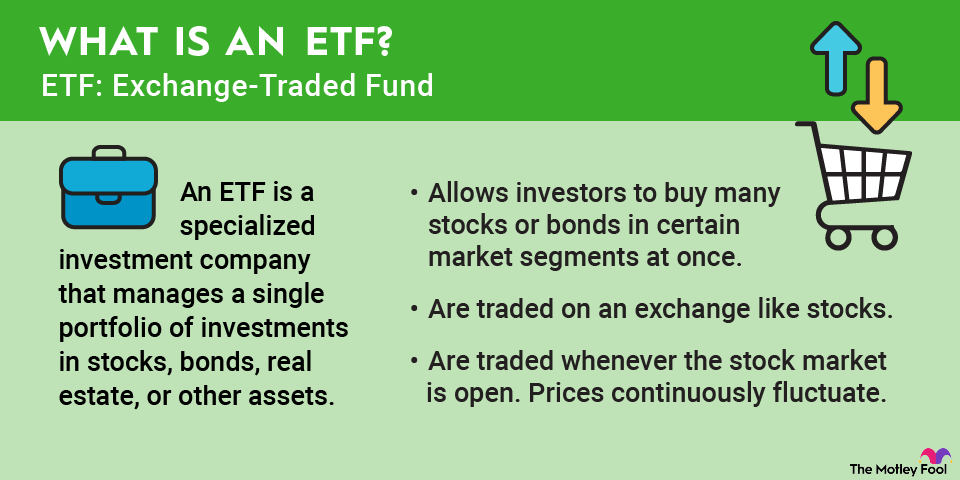
One way to get exposure to the stock market is through index funds, which are low-cost investment vehicles that give you exposure to an entire group of stocks -- such as the S&P 500 -- in a single investment.
In an interview with USA Today, Robert Brokamp, CFP, senior advisor and financial planning expert at The Motley Fool, said, “I think everyone’s retirement should be built on a foundation of index funds. And then you can gradually move into individual stocks.”
Of course, if you have the time, knowledge, and desire to invest in individual stocks, it can be a great way to go. Here are some suggestions from a few of The Motley Fool’s top stock analysts:
Get exposure to high-growth industries
Aerospace and defense
It’s no secret that aerospace and defense have been in the headlines quite a bit recently, both because of the Iran conflict and the recent Artemis 2 launch. Two of our analysts shared their best opportunities for those looking to invest their tax refunds.
Lou Whiteman, a contributing Motley Fool aerospace and defense analyst, says he would split up his refund check between a couple of different investments to broaden his exposure to the aerospace and defense industry:
“I’d split my investment between a slow-and-steady winner like TransDigm Group (TDG -1.17%) and a higher-risk, higher-reward newcomer like Kratos Defense & Security Solutions (KTOS -5.33%). Those two combine to cover some of the hottest themes in aerospace in 2026: The need to restock, and the push by the Pentagon towards more uncrewed and electronics-focused platforms in the years to come."
4. Max out tax-advantaged accounts
When you invest in the stock market with any of the funds or stocks discussed in the previous section, there are two main ways to do it. You can contribute money to a taxable (standard) brokerage account, or you can contribute to a tax-advantaged account, which can help optimize your long-term wealth building potential.
Of course, there are some great reasons to use taxable brokerage accounts -- for example, you can sell stocks and withdraw money whenever you want. But tax-advantaged accounts allow your investments to grow and compound, with no taxes on dividends or capital gains each year.
Account Type | 2026 Contribution Limit | Type of Tax Advantage | Who Should Use One? |
|---|---|---|---|
401(k) | $24,500 ($32,500 if over 50 or $35,750 if 60-63) | Traditional or Roth | Employees who qualify, especially with employer matching. |
Traditional IRA | $7,500 ($8,500 if 50 or older) | Traditional (tax-deferred) | People who want an immediate tax deduction for contributions. |
Roth IRA | $7,500 ($8,500 if 50 or older) | Tax-free retirement income | People who anticipate being in a higher tax bracket in retirement. |
Health Savings Account (HSA) | $4,400 (self-only) or $8,750 (family coverage) | Immediate tax break and tax-free withdrawals for health expenses. | People who have a high-deductible health plan. |
Why investing tax refunds makes sense
As mentioned earlier, the average American’s tax refund is $3,521 as of March 27, 2026. But if you invest this money, instead of spending it, it could be worth far more to you over the long run. Consider that this amount of money invested at the S&P 500’s average long-term rate of return would be worth roughly $61,500 after 30 years. That’s why investing your tax refund could be one of the smartest financial decisions you can make in 2026.
Related investing topics
Investing Your Tax Refund FAQ
About the Author
Matt Frankel, CFP has positions in Digital Realty Trust, General Motors, Kratos Defense & Security Solutions, and Realty Income. The Motley Fool has positions in and recommends Bloom Energy, Digital Realty Trust, Kratos Defense & Security Solutions, Realty Income, Tesla, and TransDigm Group. The Motley Fool recommends General Motors. The Motley Fool has a disclosure policy.