The average retired worker receives just over $2,000 per month in Social Security benefits, according to November 2025 data from the Social Security Administration.
However, it's possible to receive far more from the program. In 2026, the maximum amount beneficiaries can receive is a whopping $5,251 per month, or just over $63,000 per year. While that money could be life-changing for many retirees, there's an unfortunate truth about earning the maximum benefit.

Image source: Getty Images.
What it takes to earn the largest Social Security payment
To achieve the maximum possible monthly payment, you'll need to meet three requirements: work for at least 35 years, wait until age 70 to file, and consistently reach the maximum taxable earnings limit.
The first two requirements are fairly simple. Your benefit amount is calculated based on an average of your earnings throughout the 35 highest-earning years of your career. Working for fewer than 35 years will introduce zeros into your average, reducing your payment.
Your earnings history determines your primary insurance amount, or the benefit you'll receive by filing at your full retirement age. To max out your payment, though, you'll need to wait a little longer and claim at age 70.
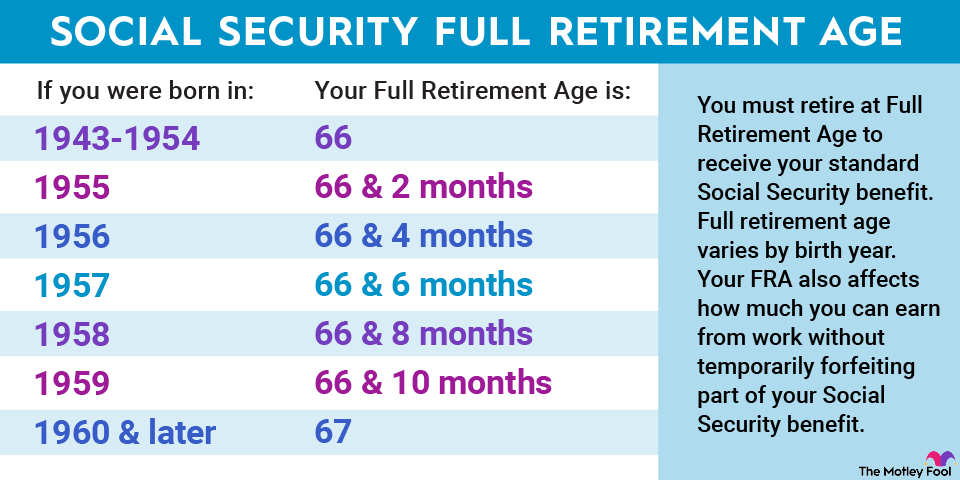
Image source: The Motley Fool.
The trickiest requirement for most people will be the maximum taxable earnings limit. This is the highest income subject to Social Security tax, and the more you earn up to this limit, the higher your benefit will be. It changes annually to account for cost-of-living changes, but in 2026, it's $184,500 per year.
It's not enough, though, to reach the income limit once, or even a few times. To earn the highest possible Social Security benefit, you'll need to consistently meet these income requirements throughout your career. For context, 35 years ago in 1991, the maximum taxable earnings limit was $53,400 per year.
The maximum benefit is designed to be out of reach for the average worker, so if you're off track, that's normal. The good news, though, is that there are still ways to increase your monthly payments that don't require six-figure salaries.
Small steps can go a long way
Regardless of how much you're on track to earn from Social Security, getting as close as you can to any of the three requirements for the max benefit can help increase your payments. As a reminder, these requirements are:
- Work for at least 35 full years
- Delay claiming benefits until age 70
- Consistently reach the maximum taxable earnings limit
Say, for example, that you can't reach the $184,500 annual earnings limit, but you can increase your income even slightly. That can still boost your benefits. Or perhaps you can't delay claiming until age 70, but you can wait until 67 to file. That, too, will earn you far more per month than if you were to file as early as possible at 62.
In fact, the average retiree collects around $588 more per month at age 67 than at age 62, according to 2024 data from the Social Security Administration. If you're looking to boost your monthly payment, waiting even a year or two to take benefits is one of the simplest and most effective ways to do so.
The maximum benefit is unattainable for most retirees, but that's OK. Rather than getting discouraged, consider making small steps to squeeze every dollar you can out of Social Security. Whether it's working a little longer, delaying claiming, or boosting or income slightly, these moves can potentially increase your benefit by hundreds of dollars per month.