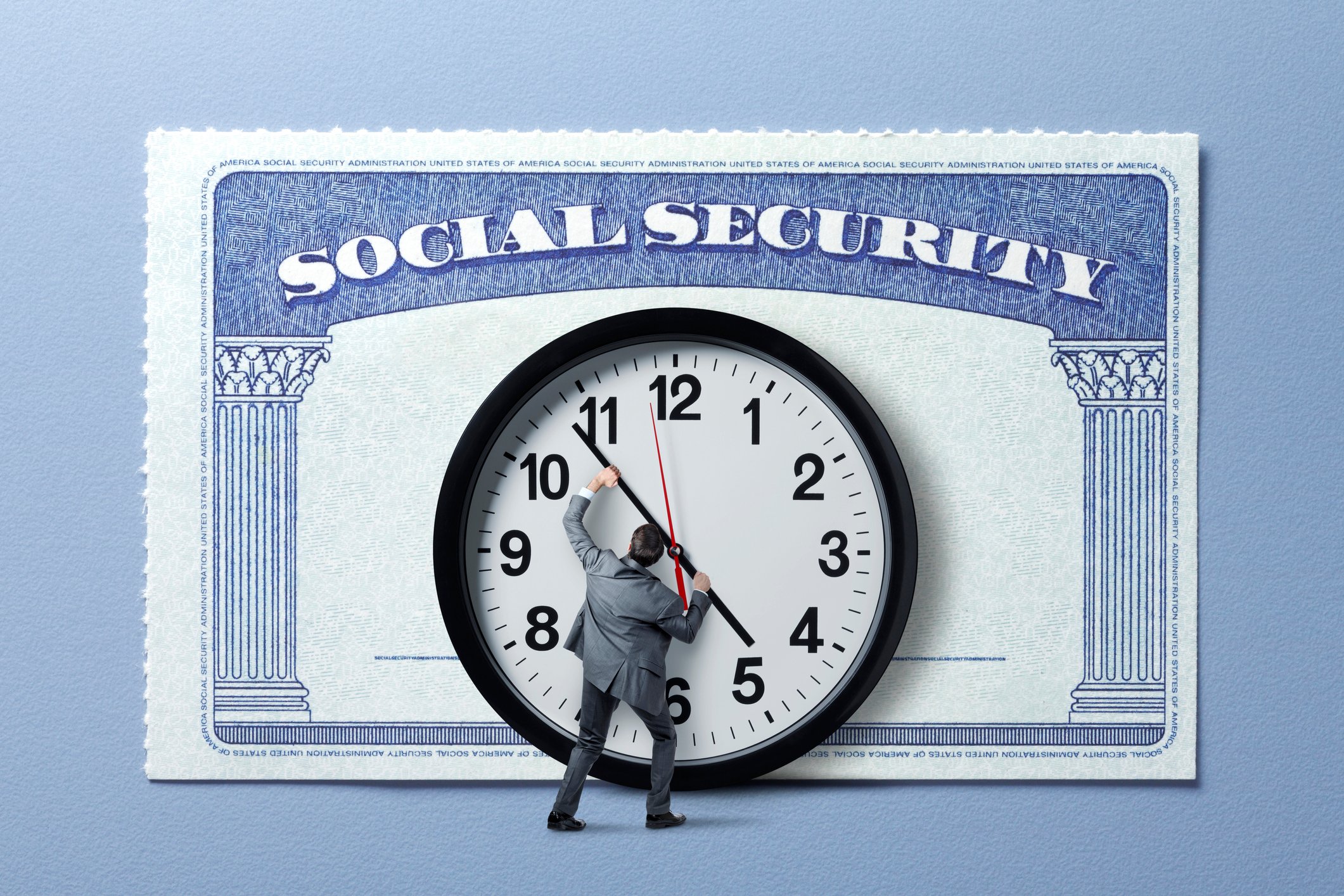
If you have money in a traditional IRA or 401(k), required minimum distributions (RMDs) are something you need to plan for carefully. RMDs are due each year by Dec. 31. And if you miss that deadline, you could face a steep 25% penalty on whatever sum you don't remove.
One strategy you may be considering is deferring your first RMD. You're allowed to put off your initial RMD to April 1 of the year after you turn 73 or 75, depending on your RMD age.

Image source: Getty Images.
At first, postponing your first RMD can seem like an easy way to reduce your tax bill in the near term. If you're due for your first RMD this year, for example, waiting until April to take it makes it next year's tax problem. But while that might sound like a wise move, it could end up backfiring on you big time.
The problem with deferring your first RMD
If you're 73 and you wait until next year to take your first RMD, you'll end up having to take two mandatory withdrawals from your retirement account in the same calendar year. Depending on the size of your RMDs, those combined withdrawals could significantly increase your taxable income at a time when you may have fewer opportunities to reduce it.
Not only might two RMDs in the same year push you into a higher tax bracket, but there could be other consequences, too. A higher taxable income, for example, could lead to taxes on your Social Security benefits.
Plus, if your RMDs are substantial and you're forced to take two in one year, they could push your income up to the point where you're assessed surcharges on your Medicare premiums known as income-related monthly adjustment amounts, or IRMAAs. IRMAAs could make both Part B and Part D more expensive.
Make sure delaying is the right move
If you're looking at a relatively high income the year you become liable for RMDs -- say, due to capital gains or another reason -- then deferring to the following April could make sense. But don't assume off the bat that pushing your first RMD out is the right move.
You need to account for your total income picture, including the size of your RMDs and your current tax bracket, when making that decision. And you also need to realize that by deferring, you run the risk of avoiding a tax bill in the near term but creating a massive tax headache in the future.