If you're nearing retirement and find yourself sitting on a lot of money in a traditional IRA or 401(k), you may have a problem on your hands. Granted, some might say it's a good one to have. But a large traditional IRA or 401(k) balance means you may be looking at sizable required minimum distributions, or RMDs.
The problem is that RMDs can drive up your taxes and cause other consequences, too, such as having to pay more for Medicare. So it's important to be mindful of ways to minimize RMDs.

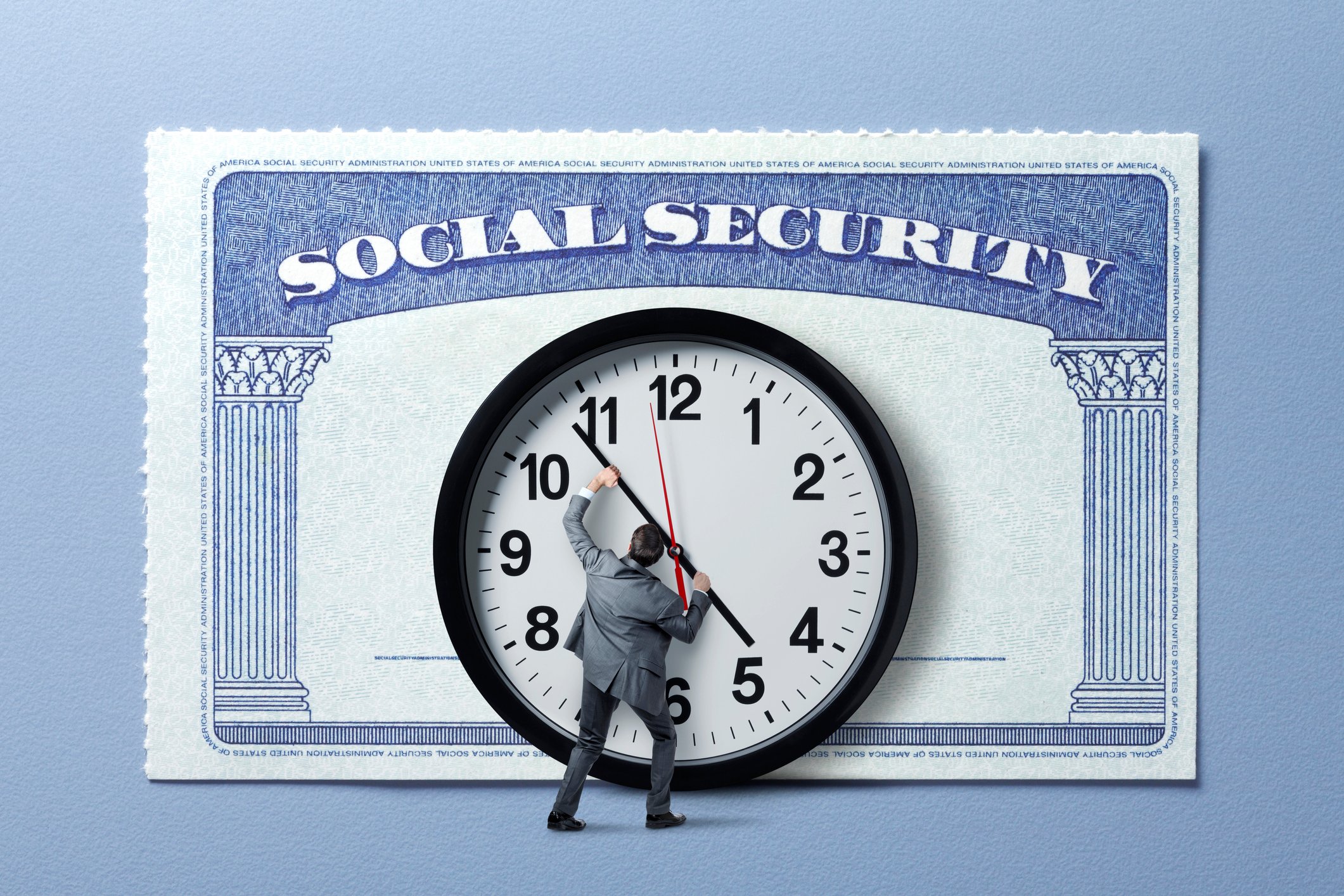
Image source: Getty Images.
One strategy is to do a Roth conversion before RMDs begin. But if you're going to go that route, there's one big mistake you'll want to make sure to avoid.
Don't convert your way into a massive tax bill
A Roth conversion could benefit you in a few ways. Not only can it help you minimize or avoid RMDs, but it can also give you access to savings you can withdraw from tax-free.
The problem with Roth conversions is that they're a taxable event. And if you cram a large conversion into a single tax year, or even a few years, you might end up paying more for that conversion than necessary.
Let's say you're single and are nearing retirement with a $100,000 salary that constitutes your only income. Based on your salary alone, you're in the 22% tax bracket this year.
Now, let's say you have a $750,000 balance to convert to a Roth IRA. If you convert one-third of that at the same time you're earning a $100,000 salary, your taxable income will be $350,000. That bumps you into the 35% tax bracket, which may be a higher rate of tax than what you'd pay on traditional IRA withdrawals or RMDs in retirement.
Make sure the math actually works
While Roth conversions can be a great thing that leads to more financial flexibility in retirement, they should also make sense mathematically. If you don't spread out your conversions, you could end up paying a higher rate of tax on the money you move over than what you'd pay in retirement.
In the situation above, spreading a $750,000 conversion across eight to 10 years could be a good solution. Even if you're converting $100,000 a year, that, coupled with a $100,000 salary, puts you in the 24% tax bracket based on current tax rates.
Of course, tax rates can wiggle over time. The point, however, is to be mindful of how you're converting and make sure you're not paying so much tax that you largely negate the benefit.