Loading paragraph...
Loading paragraph...
Loading callout...
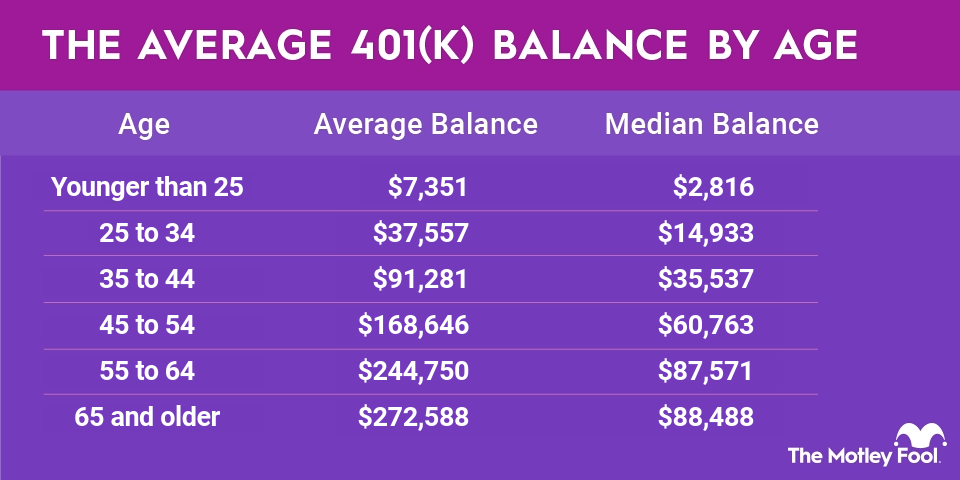
Loading paragraph...
Loading table...
Loading paragraph...
Loading paragraph...
Loading paragraph...
Loading table...
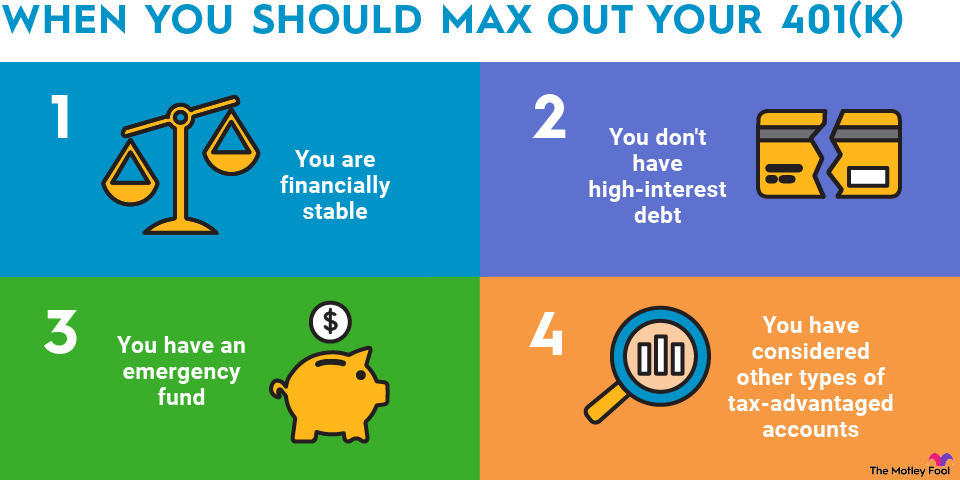
Loading paragraph...
Loading paragraph...
Loading image...
Loading paragraph...
Loading callout...
Loading paragraph...
Loading faq...
About the Author

Kailey Hagen, CFP®, is a contributing Motley Fool retirement analyst covering Social Security, Medicare, and retirement planning. Before The Motley Fool, Kailey was a research analyst for Reviews.com focusing on credit and banking products. She is a Certified Financial Planner® and holds a bachelor’s degree in English from the University of Wisconsin-Madison.
The Motley Fool has a disclosure policy.
Read Next