By the time you're reading this, Warren Buffett will no longer be Berkshire Hathaway's (BRK.A +0.76%) (BRK.B +1.03%) CEO and chief stock picker -- he stepped down from both roles at the end of 2025. Although Buffett will still be around as chairman of Berkshire's board of directors, from this point forward any new positions will be those ultimately approved by new CEO Greg Abel.
In other words, if you're only interested in Berkshire Hathaway picks you know were Buffett's, you'd better act on the names the company was holding as of the end of last year.
To this end, if you've got a few thousand bucks you're looking to put to work for a while, here are three stocks added to Berkshire's portfolio under Buffett's leadership that might just work for your portfolio as well.
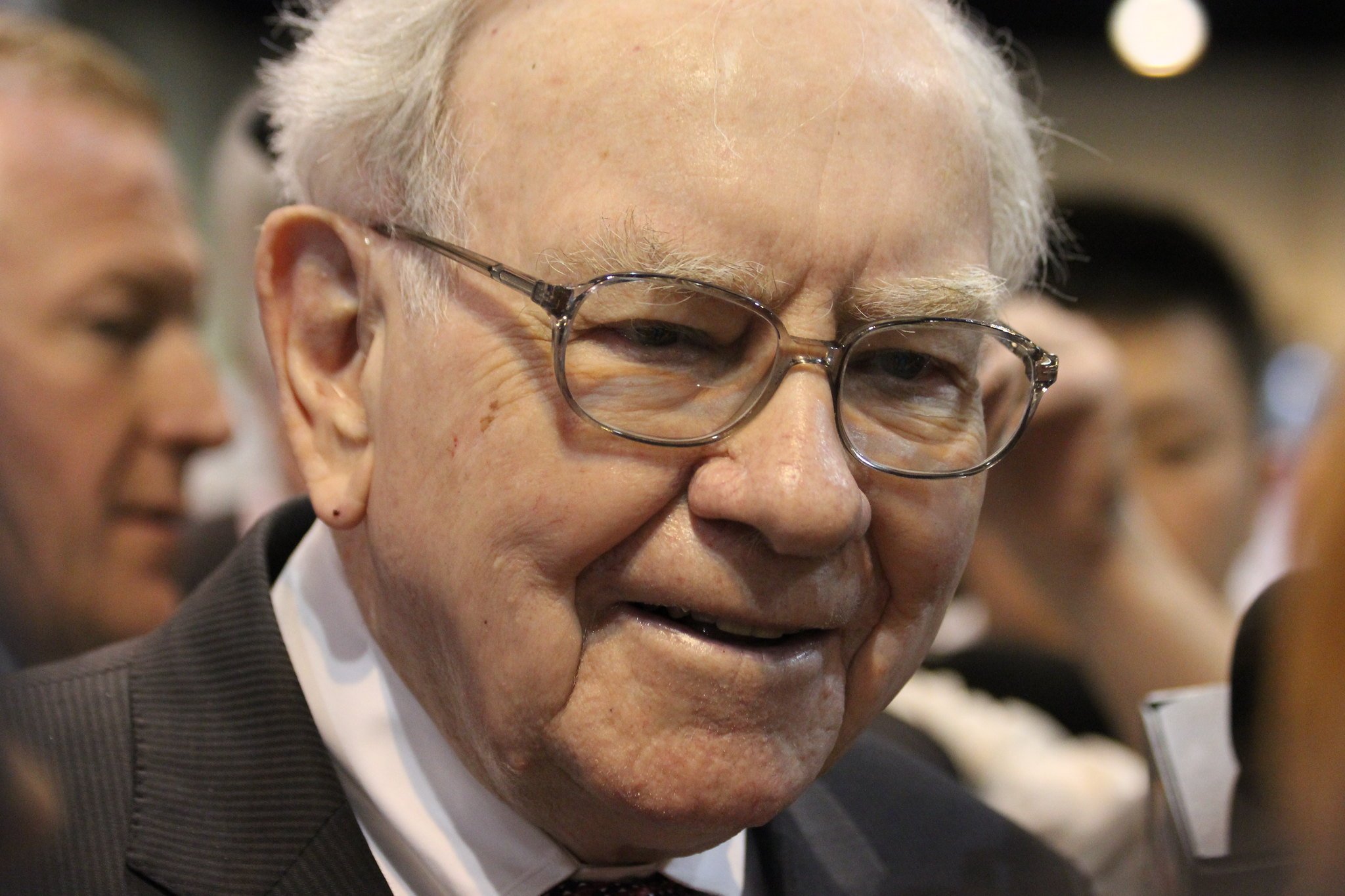
Image source: Motley Fool.
Coca-Cola
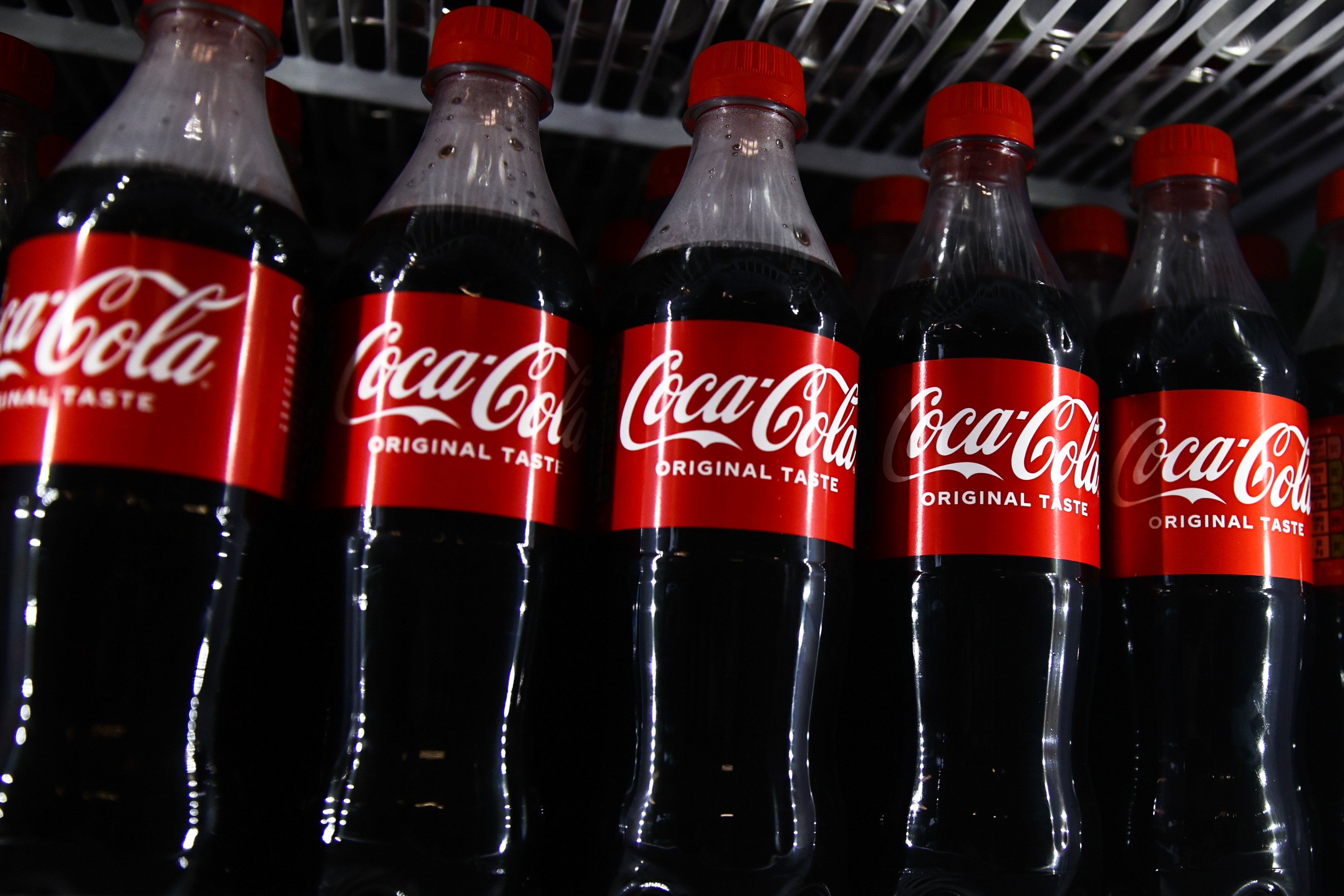
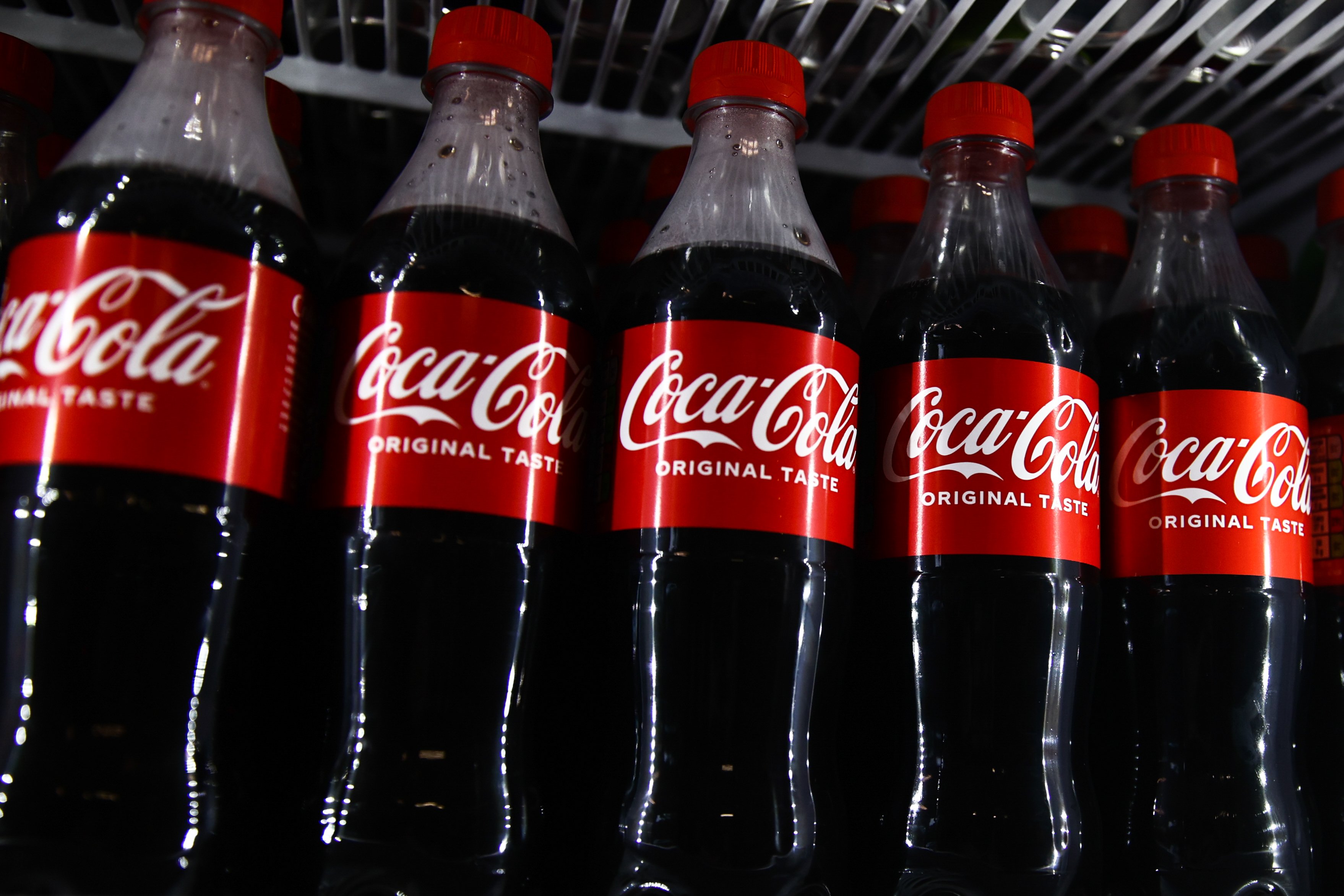
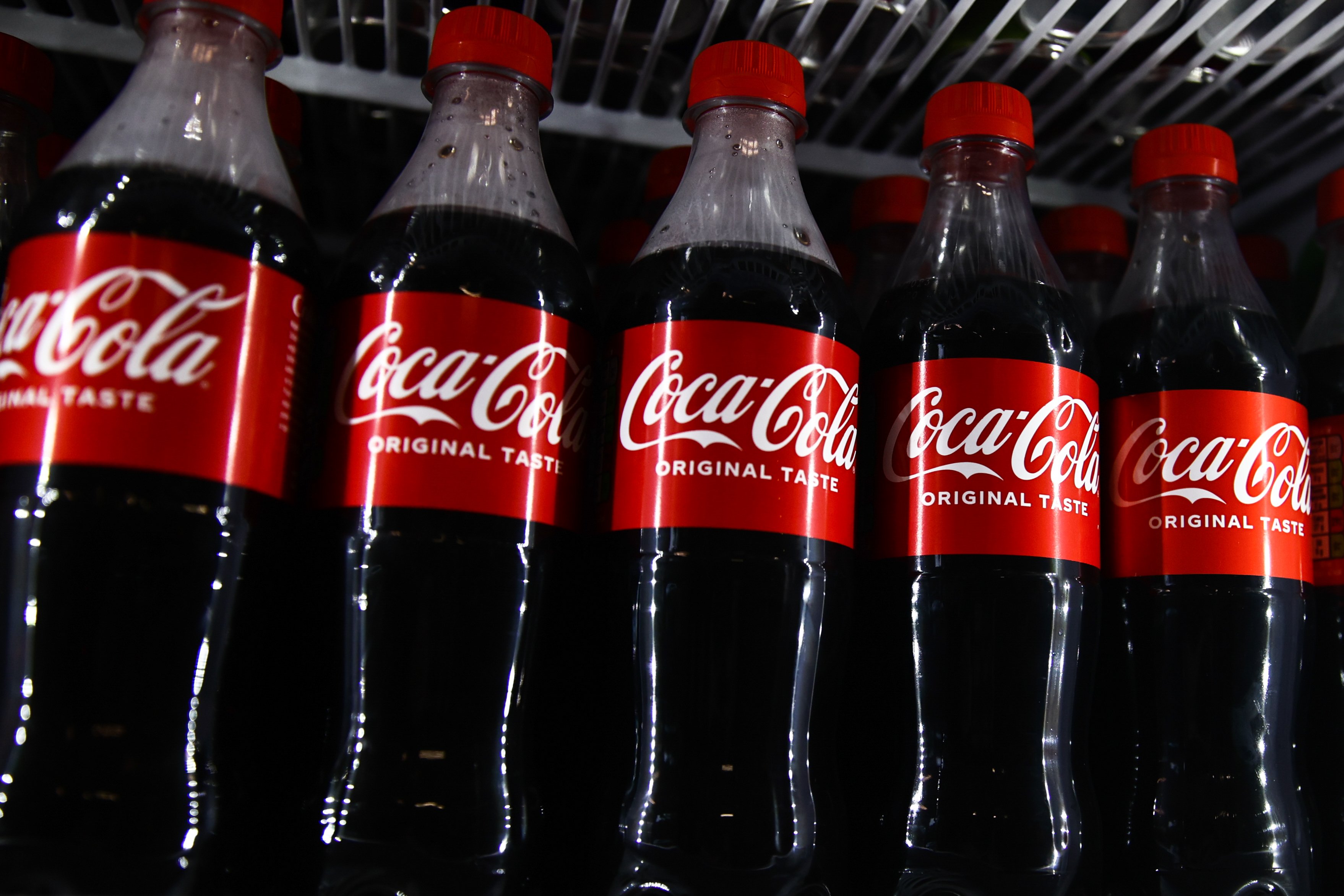
Coca-Cola (KO 0.38%) is such a commonly suggested Buffett pick that it's almost become cliché. Nevertheless, it's a commonly suggested name because it's such a great all-around pick. The company is not only the biggest and best-known in the beverage business, but Coca-Cola's business is likely to thrive regardless of the economic backdrop or how consumer preferences are changing -- for a couple of reasons.
One of these reasons is the business model itself.
See, this company isn't actually much of a bottler these days. It punts the bulk of this work to third-party bottling partners that also handle distribution duties, allowing The Coca-Cola Company to focus on what it does best. That's brand-building marketing. This model also offloads the bulk of any inflation-related operational risk of being in the beverage business to its bottling partners, allowing Coca-Cola to maintain its relatively wide profit margins that ultimately support dividend payments. In this vein, not only has this company paid a quarterly dividend like clockwork for decades, but it's allowed Coca-Cola to now raise its annual dividend payment for 63 consecutive years.

NYSE: KO
Key Data Points
As for the other big reason The Coca-Cola Company is a solid prospect for most investors, it's much more than just its namesake cola. Gold Peak tea, Minute Maid juice, Sprite, Dasani water, and Powerade sports drink are just some of the other brands under this company's umbrella. This diverse menu of marketable product translates into steady, predictable revenue regardless of ever-changing consumer preferences.
Given all of this, it's not difficult to understand why the beverage powerhouse is Berkshire Hathaway's fourth biggest holding, currently worth $28 billion.
Capital One
In the grand scheme of things, credit card company Capital One Financial (COF +1.32%) doesn't turn investors' heads the same way that Visa, Mastercard, and American Express do. Don't be misled by its smaller size or lesser-recognized name, though. Investment potential is always relative, and compared to where Capital One is right now, it's got an incredible amount of upside potential.
To fully appreciate this potential you must understand what Capital One is and isn't -- or at least wasn't until early this past year. Whereas Visa and Mastercard are credit card payment middlemen by virtue of operating payment networks on behalf of credit card issuers, until May of last year, Capital One was only a card issuer, actually relying on Mastercard's and Visa's payment networks. That's when the company completed its acquisition of Discover, which owned and operated a relatively small payment network, but a payment network nonetheless.
Combined with Capital One's reach as the United States' fourth-biggest issuer of credit cards, this newly combined entity has a chance of putting some serious pressure on Visa's and Mastercard's dominance of the Western Hemisphere's card-payment network business. This opportunity is the chief reason Capital One shares have soared nearly 40% over the course of 2025.

NYSE: COF
Key Data Points
As impressive as that gain is, however, this stock's current price still doesn't fully reflect Capital One's growth potential as a card issuer and a payment network. Analysts expect 2026 to be something of a breakout year for the organization's recently combined businesses, which will perhaps be further fueled by unexpectedly strong consumer spending stemming from economic growth and lower interest rates.
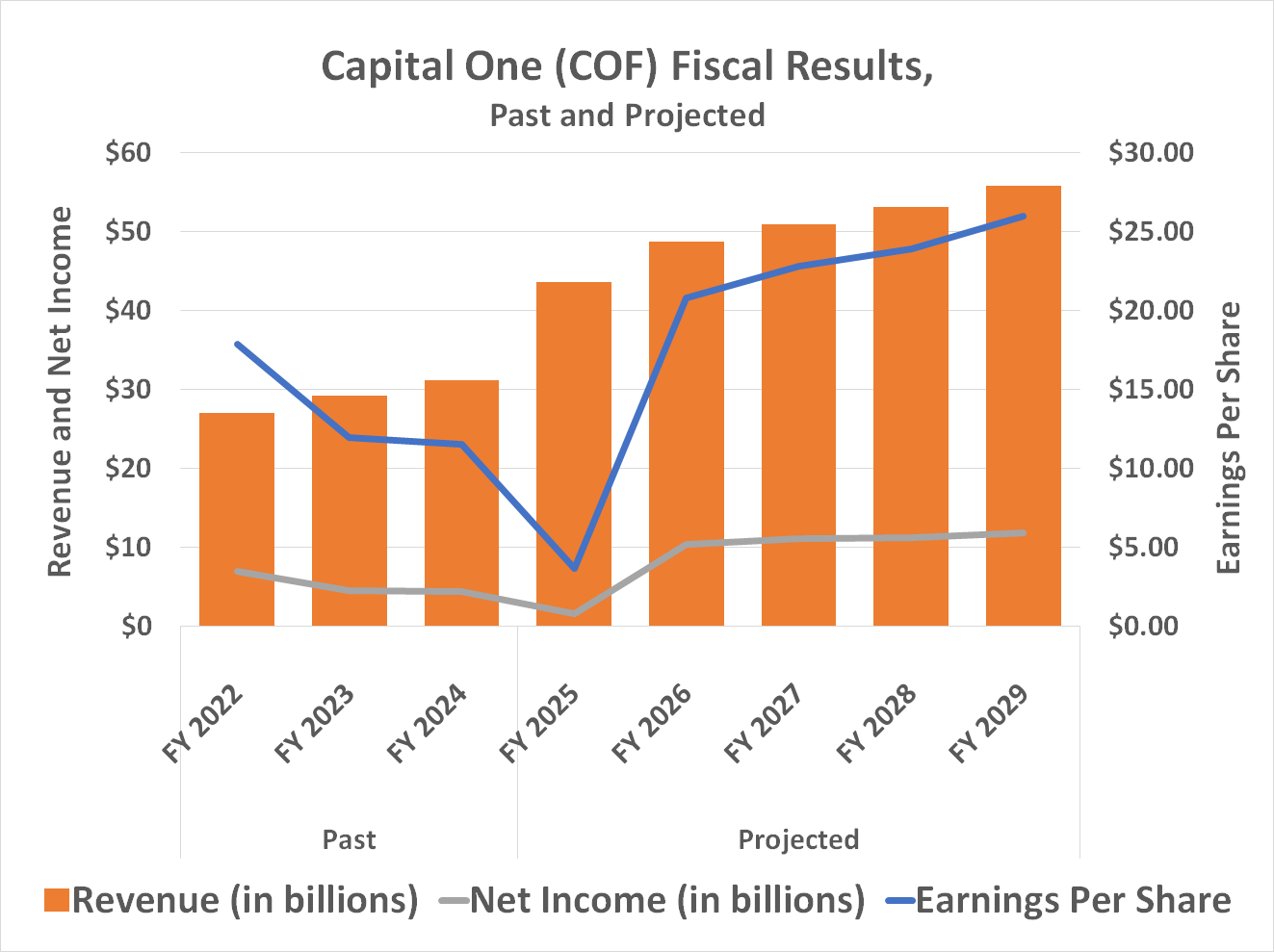
Data source: Morningstar. Chart by author.
This might help seal the deal: As of the latest look shares are more than reasonably priced at less than 12 times this year's expected per-share earnings of $20.84. Berkshire Hathaway owns 7.15 million shares of Capital One, by the way, currently worth $1.75 billion.
Constellation Brands
Last but not least, add Constellation Brands (STZ +1.73%) to your list of Buffett stocks to buy if you're looking for some quality long-term names.
It's been more than a little disappointing since Berkshire first added it to the portfolio beginning in late 2024. Shares of the parent company to Modelo and Corona beer as well as a handful of spirits and wine brands have nearly been halved since their early 2024 peak, and are still knocking on the door of new multiyear lows.

NYSE: STZ
Key Data Points
As it turns out, people are consuming less alcohol, for financial as well as health-related reasons. A recent poll performed by Gallup, in fact, indicates a record low 54% of U.S. adults now never drink liquor, wine, or beer. And it's taken a measurable toll on Constellation's results -- through the first half of its current fiscal year the company's organic revenue down 8%.
There's an important nuance to this new trend, however. That is, consumers may be drinking less alcohol, but when they do drink it, they're drinking more of the premium stuff. This plays into the hand Constellation is holding, so to speak, even if it's run into a headwind of late.
And it will increasingly work in Constellation's favor. Early last year the company announced it was selling some of its wine brands with lower price points (and therefore lower profit margins) so it could better focus on its higher-end labels. As CEO Bill Newlands explained, "concentrating our wine and spirits portfolio in higher-growth segments remains an important element of our overall business strategy and complements our higher-end beer portfolio."
In the meantime, Constellation is aiming to cut $200 million worth of annual spending. For a company turning a little less than $10 billion in annual sales into net income of just over $1 billion per year, that's not insignificant.
More important to interested investors, much of this overhaul isn't yet reflected in the stock's price, but should start being reflected in it the deeper we move into 2026. The market's just going to need to see a little more evidence that Constellation is well equipped to navigate whatever the future holds.