It's been a busy couple of weeks for L3Harris (LHX 0.29%), the defense contractor that transformed itself into a defense contractor-cum-space company when it bought Aerojet Rocketdyne back in 2022.
The excitement began on Jan. 5, when L3Harris announced it would reorganize its current four main business divisions into just three:
- Space and mission systems (satellite and payload capabilities, including missile warning and defense, as well as maritime, air, special missions, and other global defense and civil government programs).
- Communications and spectrum dominance (communications and electronic warfare).
- Missile solutions (propulsion, hypersonics, and other advanced missile technologies).
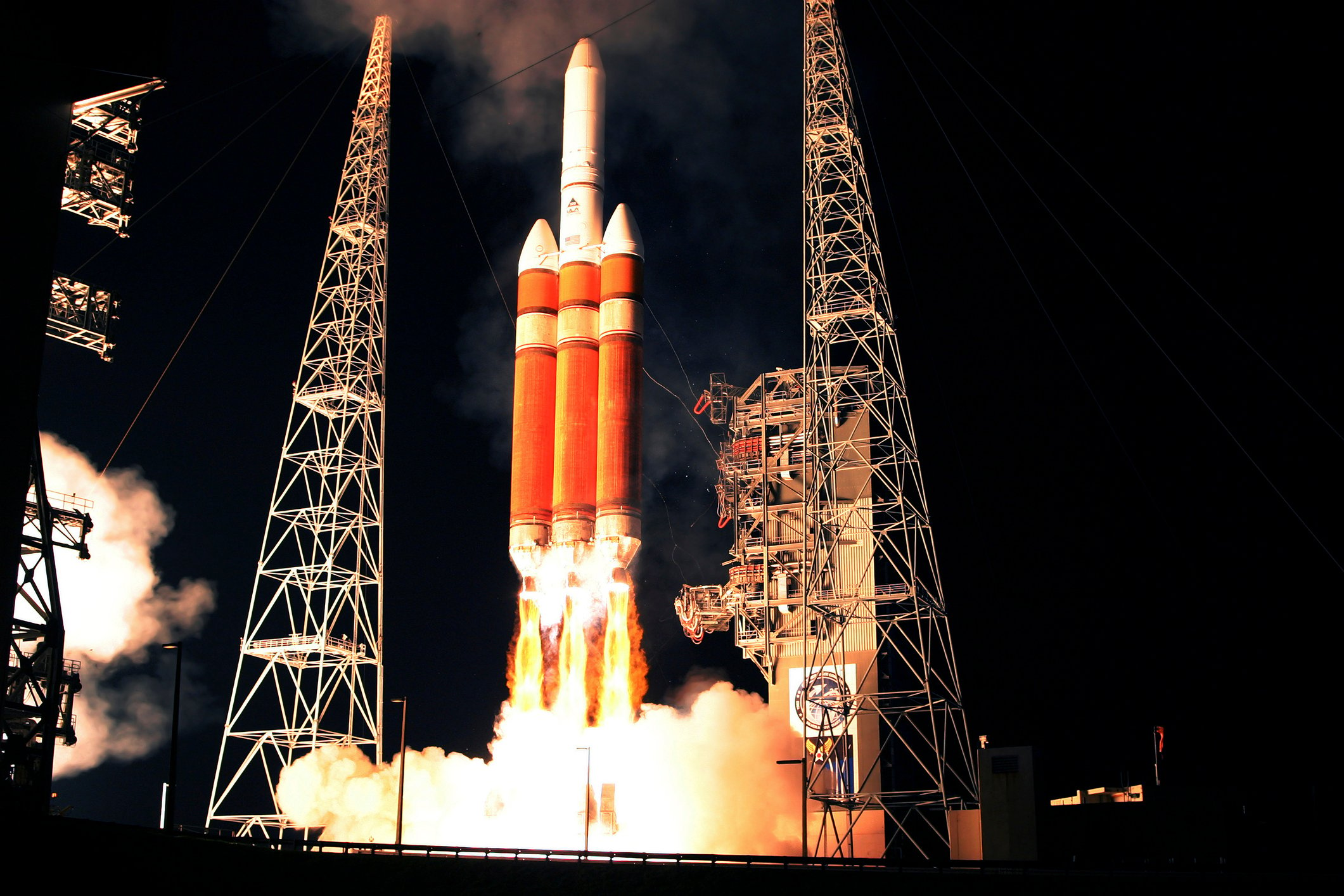
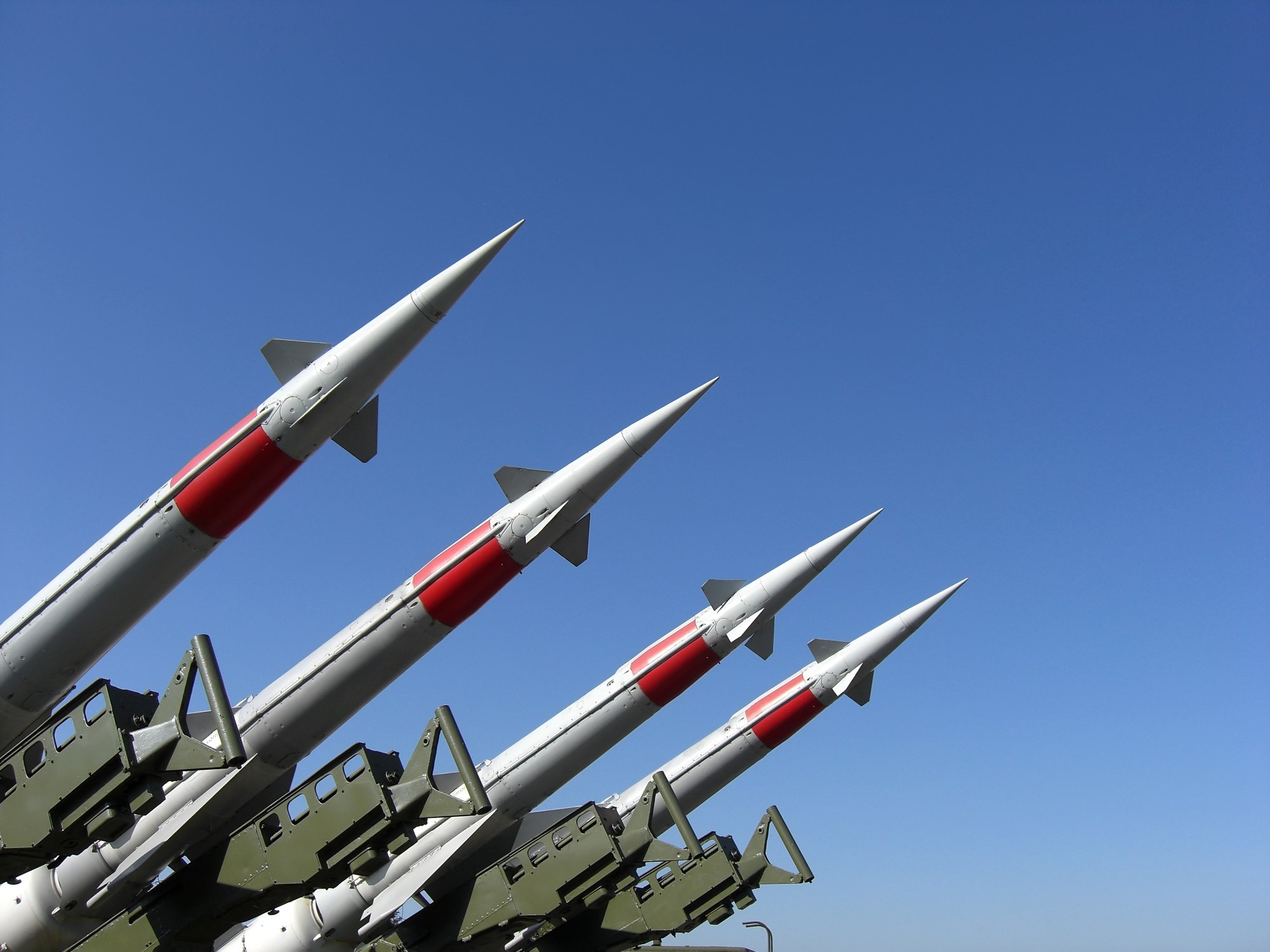
Image source: Getty Images.
The second shoe drops
One day later, L3 announced that private equity firm AE Industrial Partners will buy a 65% stake in L3's "space propulsion and power systems business," which was part of the Aerojet Rocketdyne division before the aforementioned reorganization. Reclaiming the historic name Rocketdyne, this business has "developed the upper-stage rocket engines used in national security, civil, and commercial missions for more than 60 years, as well as in-space propulsion, nuclear power and avionics assets." In particular, Rocketdyne builds the R10 engine, which powers the second stage of United Launch Alliance's Vulcan Centaur rocket and NASA's Space Launch System.
L3Harris will retain a minority interest in Rocketdyne, but AE's investment is being characterized as an acquisition. So essentially, what we have here is L3 spinning off and selling its non-military rocket engine division to AE.
The plot thickens
L3Harris announced its latest big move just this past Tuesday. In what management termed "a first-of-its-kind proposed partnership with the Department of War" -- President Trump's name for the Department of Defense -- the company will accept a $1 billion investment, in the form of the purchase of preferred stock, in its missile solutions business, which it's also spinning off.
The investment part of this plan is expected to happen this quarter, the first quarter of 2026. Missile solutions will then be spun off and taken public as a separate company in the second half of 2026. After the initial public offering (IPO), the Department of Defense is expected to convert its preferred stock into common stock in the new company.
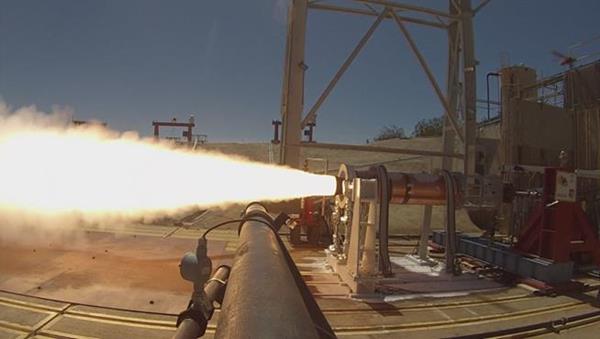
To be clear, we're talking about two separate businesses here. Rocketdyne, which builds non-military rocket engines for ULA and NASA, is the L3 division getting spun off and sold to AE Industrial. Missile solutions builds motors for military missiles such as the Patriot PAC-3, THAAD, Tomahawk, and the Standard Missile family of missiles -- and, despite being described as one of three L3 divisions that L3 is reorganizing just last week, it seems the missile solutions division is also being spun off.
And to make the situation even more crystal clear, L3 CEO Christopher Kubasik confirmed that once its missile solutions business IPOs, it will be a "pure-play missile solutions provider" with a mission to be part of America's "Arsenal of Freedom."

NYSE: LHX
Key Data Points
What this means for investors
What's the upshot for investors here? Clearly, big changes are afoot, and an investment in just L3Harris today could end up meaning you own three separate companies a few months from now -- so be careful if that's not your intent.
One of these companies will produce engines for non-military rockets. That's Rocketdyne.
Another will produce motors for military missiles. That's "missile solutions" -- although I presume L3 will come up with a catchier name for it once it's a stand-alone company.
The third company will be what remains of L3Harris after it's shed all its engines and motors businesses. What remains of L3 will include two businesses: space and mission systems, and communications and spectrum dominance.
It's not 100% clear at this point how big any of these businesses will be, or which specific product lines they will take with them or keep. But reviewing the latest data from S&P Global Market Intelligence, I'm guessing is that Rocketdyne and the missile solutions business will be dividing up approximately $9.3 billion in annual revenue and a little more than $1.1 billion in operating profit, while rump L3Harris will keep about $12.3 billion in business, with about $2.2 billion in operating profit. When all's said and done, L3Harris should come out of this restructuring significantly smaller, but also considerably more profitable, after shedding its engine businesses.
Keep an eye on the details as they firm up, but for now, my hunch is that this restructuring will make L3Harris stock a better defense stock than it was, and also more of a buy than it was -- not less.