Semiconductor stocks represent companies that make the chips powering everything from phones to cars. Demand is rising, driven by AI, electric vehicles, and consumer tech. But with all the hype, the real question is which companies actually have durable growth and staying power.
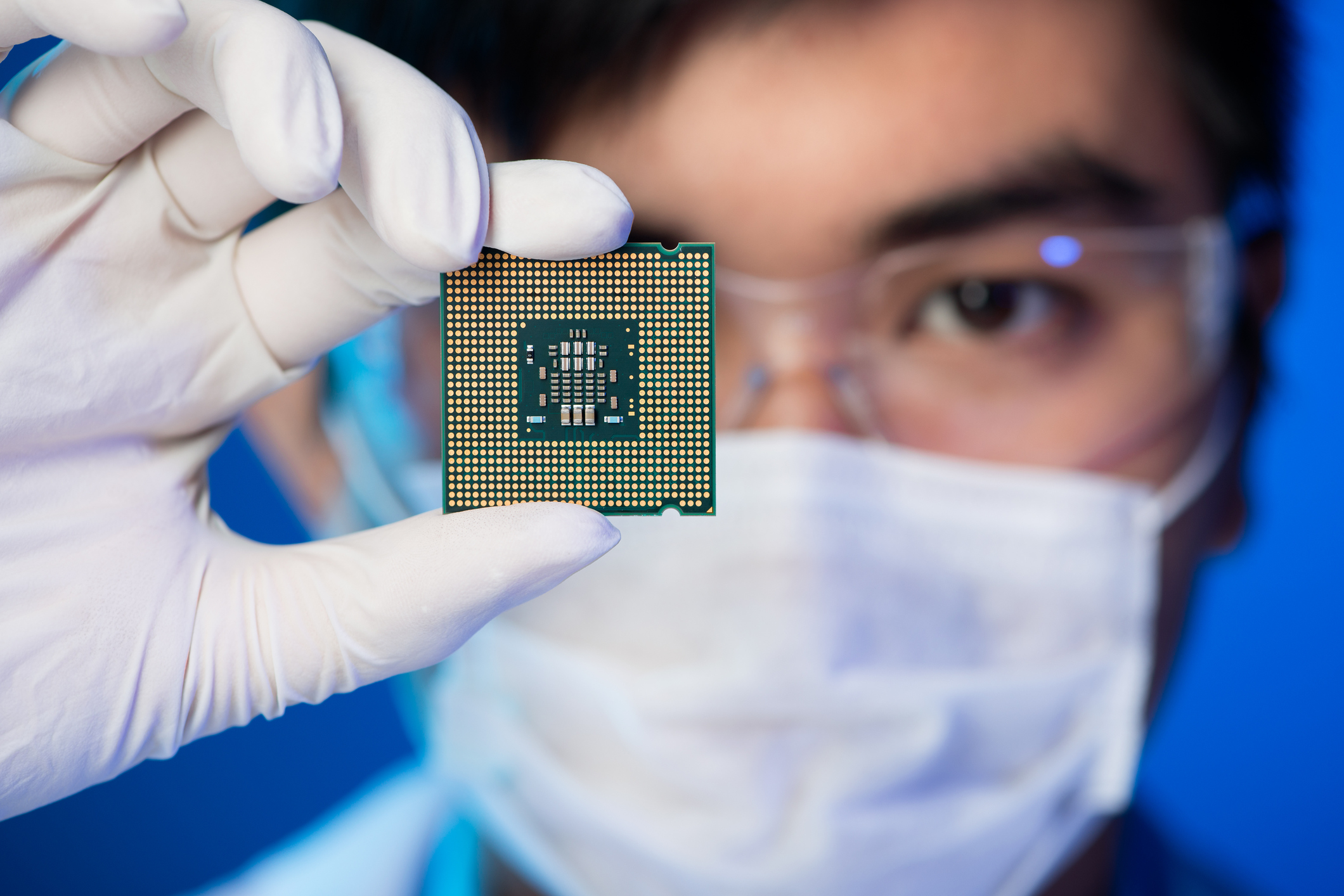
Semiconductor
Due to the volatility of the semiconductor market and recent price fluctuations in the world of microchips, picking the right one can be tricky. The sector is highly volatile, and recent price swings across the chip industry have made picking winners even more challenging.
At the same time, demand continues to grow as semiconductors play a central role in artificial intelligence (AI), data centers, and modern electronics. That combination of volatility and strong long-term demand creates both risk and opportunity.
Even so, some of the top-performing stocks from 2023 through 2025 have come from the semiconductor space, with a handful of companies standing out due to their scale, real-world applications, and positioning for future growth.
Best semiconductor stocks to buy in 2026
Here are five top picks for semiconductor industry secular growth trends:
| Name and ticker | Market cap | Current price |
|---|---|---|
| Nvidia (NASDAQ:NVDA) | $4.8 trillion | $200.62 |
| Taiwan Semiconductor Manufacturing (NYSE:TSM) | $1.9 trillion | $366.94 |
| Intel (NASDAQ:INTC) | $343.9 billion | $69.32 |
| Texas Instruments (NASDAQ:TXN) | $203.1 billion | $230.06 |
| Qualcomm (NASDAQ:QCOM) | $143.5 billion | $136.36 |
1. Nvidia

NASDAQ: NVDA
Key Data Points

NYSE: TSM
Key Data Points

NASDAQ: INTC
Key Data Points
4. Texas Instruments

NASDAQ: TXN
Key Data Points

NASDAQ: QCOM
Key Data Points
How to invest in semiconductor stocks
- Open your brokerage account: Log in to your brokerage account to manage your investments. If you don't have one yet, take a look at our favorite brokers and trading platforms to find the right one for you.
- Search for X: Enter the ticker “[ticker]” into the search bar to bring up the stock's trading page on your specific brokerage.
- Decide how many shares to buy: Consider your investment goals and how much of your portfolio you want to allocate.
- Select order type: Choose between a market order to buy at the current price or a limit order to specify the maximum price you're willing to pay.
- Submit your order: Confirm the details and submit your buy order.
- Review your purchase: Check your portfolio to ensure your order was filled as expected and adjust your investment strategy accordingly.
Should you invest in semiconductor stocks?
Semiconductor stocks can be some of the most rewarding investments in the market, but they are also some of the easiest places to make mistakes. The same companies driving major technology shifts today can see their earnings swing sharply just a few years later.
The biggest risk to understand is cyclicality. Chip demand tends to move in waves. Periods of strong demand, like what you’re seeing today with AI and data center buildouts, often lead to overcapacity. When that happens, pricing weakens, inventories build up, and earnings can fall quickly. That’s why semiconductor stocks often look cheapest right when their earnings are at their peak.
This is what’s known as the peak earnings trap. A company might report record profits, trade at a low-looking valuation, and still end up being expensive if those earnings aren’t sustainable. Investors who buy based on trailing numbers without considering where the cycle is headed can get caught on the wrong side of that shift.
That doesn’t mean you should avoid the sector altogether. It just means you need to be selective. Some companies are more cyclical, tied to memory or consumer electronics. Others, like analog or diversified chipmakers, tend to have steadier demand. And then there are the AI leaders, which are currently benefiting from a powerful but still evolving growth cycle.
Semiconductor stocks can play a role in long-term portfolios, especially if you believe in trends like AI, electrification, and automation. But they’re not set-it-and-forget-it investments. Timing, valuation, and cycle awareness matter a lot more here than in most sectors.
If you approach the space with that mindset, you can benefit from the upside while avoiding the common pitfalls that come with one of the most cyclical industries in the market.
Related investing topics
FAQ
Read Next