The company's L&S assets generate a very steady cash flow backed by long-term contracts with companies like Marathon. Meanwhile, the G&P assets produce relatively stable fee-based cash flow as volumes flow through its network of gathering pipelines and processing plants.
MPLX distributes a relatively conservative portion of its steady cash flow to investors (it covered its distribution payment by 1.5 times in 2024). That healthy coverage level enables it to retain cash to fund expansion projects, maintain a strong balance sheet, and opportunistically repurchase units.
MPLX had several expansion projects underway to drive growth. A big focus has been expanding its Permian-to-Gulf Coast value chain. The company is investing in long-haul pipelines to transport natural gas and natural gas liquids (NGLs) from the Permian to export infrastructure along the Gulf Coast. The projects should increase the MLP's cash flow.
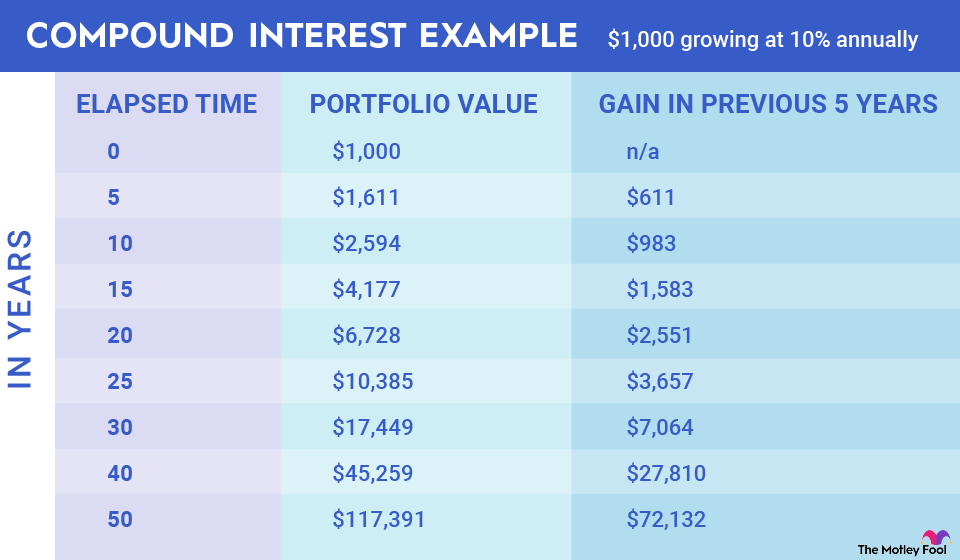
The MLP's growing cash flow has supported a steadily rising distribution. MPLX has increased its distribution per unit every year since its formation in 2012 and has grown its payout at a more than 10% compound annual rate since 2021.
Pros and cons of investing in MLPs
Investing in MLPs has its share of benefits and drawbacks. Some pros of investing in MLPs include:
- MLPs offer high cash returns in the form of quarterly distribution payments, making them attractive income investments.
- As pass-through entities, MLPs provide several tax advantages. A portion of its distributions is treated as a return on capital and remains tax-deferred until the unitholder sells. The taxes on a sale are subject to capital gains taxes.
- MLPs also offer estate planning benefits. If unitholders gift MLP units, they can transfer them to beneficiaries tax-free with no step-up basis. Meanwhile, if a unitholder dies, they can pass their units to their heirs tax-free.
MLPs also have some cons, including:
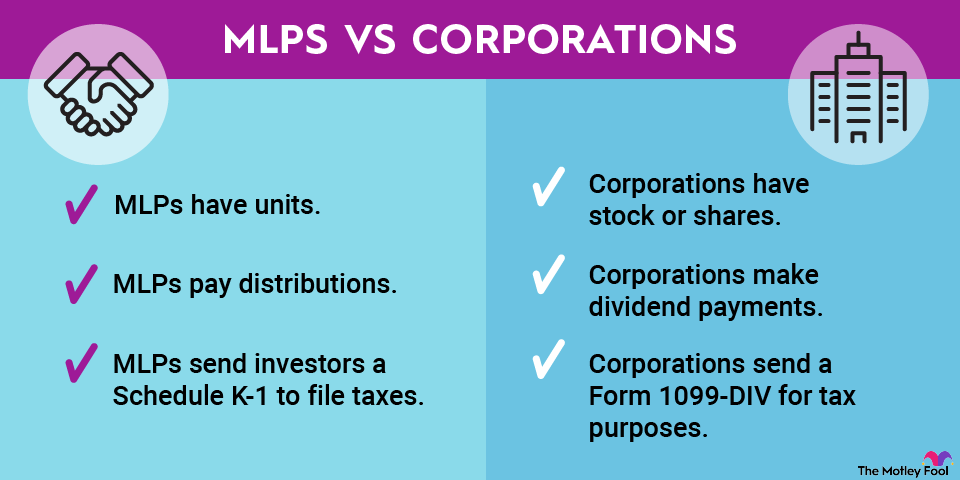
- MLPs can complicate an investor's taxes. They send a Schedule K-1 form (usually later in the tax-filing season) that can create extra work when filing taxes.