Calculating returns with different kinds of investments
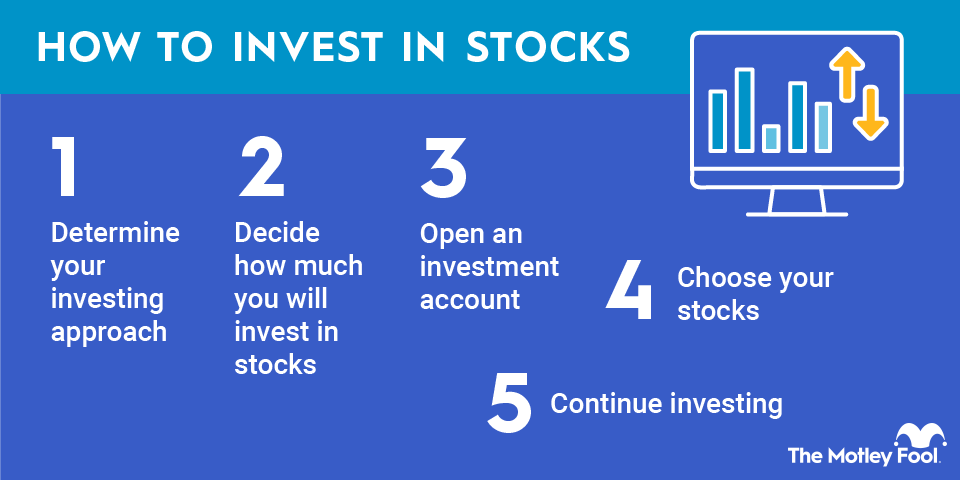
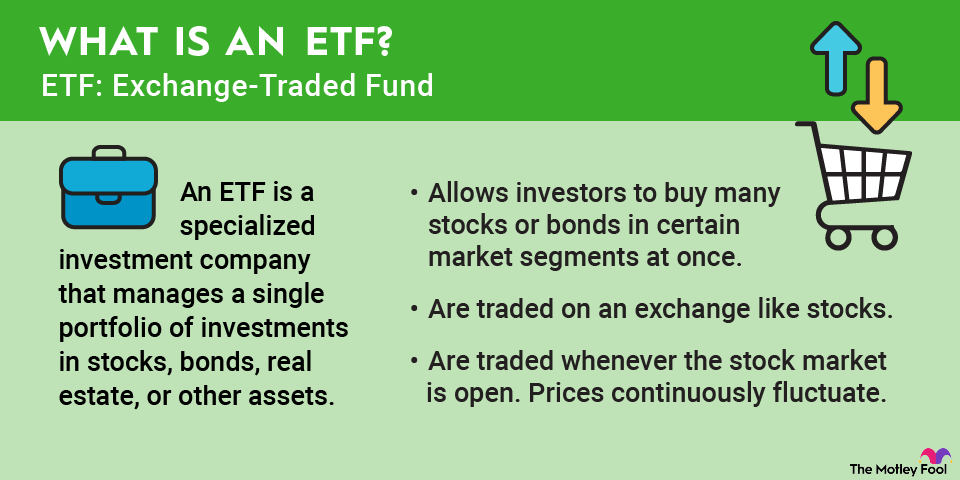
For stocks, returns will typically be shaped by the difference between the price at the time that you purchased and sold shares, plus the dollar value of any dividend payments or additional shares generated through dividend reinvestment. In the case of exchange-traded funds, mutual funds, or international stocks, you may have to pay a management or ownership fee that would lessen the overall return on your investment.
If you are investing in real estate, the same basic principles apply -- albeit with a few extra layers of complexity. In addition to the return generated from the change in value between the time of the purchase and the sale, it’s possible that you could generate additional returns by renting the property out while you owned it. But to determine your return at the time of sale, you would also need to account for any upkeep costs associated with maintaining the house, property taxes that had been paid, and loan or mortgage payments if you didn’t purchase the property outright.
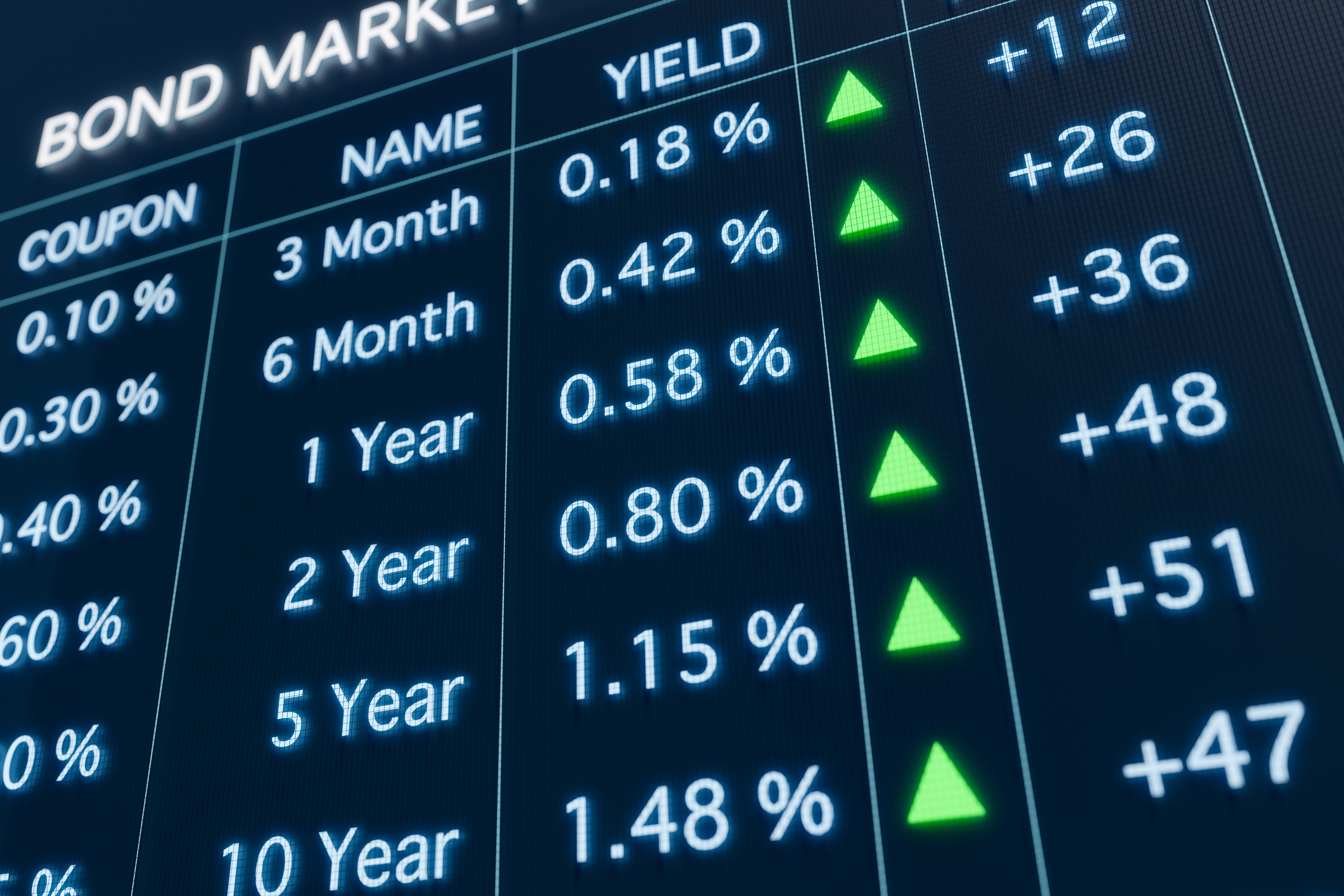
For fixed-income investments such as bonds, CDs, and money market funds, a principal amount is paid in order to hold a certificate that will generate a pre-specified yield across a designated period of time. For example, if you paid $100 for a one-year bond with a yield of 3%, you would generate a 3% return on the bond value that year and have $103 when the bond reached maturity.