Charlotte-based Bank of America (BAC -0.51%) is the second-largest financial institution in the U.S. and one of the world's largest banks. Its scale, diversified business model, and steady profits make it a common consideration for long-term investors looking for exposure to the banking sector.
Below is a quick overview of how to buy Bank of America stock and whether it fits in your portfolio.
How to buy Bank of America stock
To buy Bank of America stock, investors must follow a few general steps.
- Open your brokerage app: Log in to your brokerage account where you handle your investments. If you don't have one yet, take a look at our favorite brokers and trading platforms to find the right one for you.
- Fund your account: Transfer money so you’re ready to invest.
- Search for Bank of America: Enter the ticker "BAC" into the search bar to bring up the stock's trading page.
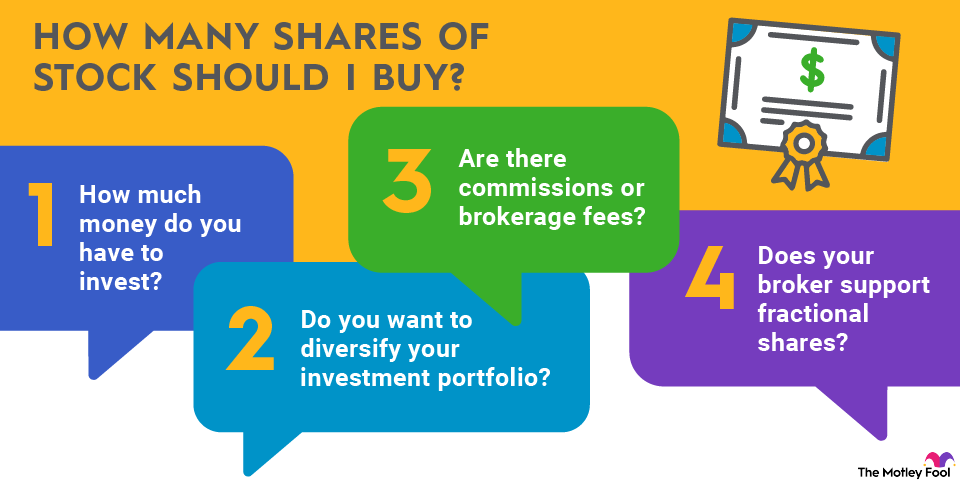
- Decide how many shares to buy: Consider your investment goals and how much of your portfolio you want to allocate to this stock.
- Select order type: Choose between a market order to buy at the current price or a limit order to specify the maximum price you're willing to pay.
- Submit your order: Confirm the details and submit your buy order.
- Review your purchase: Check your portfolio to ensure your order was filled as expected and adjust your investment strategy accordingly.
Should you invest in Bank of America?
Whether Bank of America belongs in your portfolio depends on your goals and risk tolerance.
The stock has matched the S&P 500 over the past 5–10 years, though it has lagged over longer periods. That history may turn off some investors, but it also reflects the bank’s role as a stable, cyclical business, not a high-growth one.
Bank of America operates as a universal bank, with revenue coming from:
- Consumer banking (deposits, credit cards, loans)
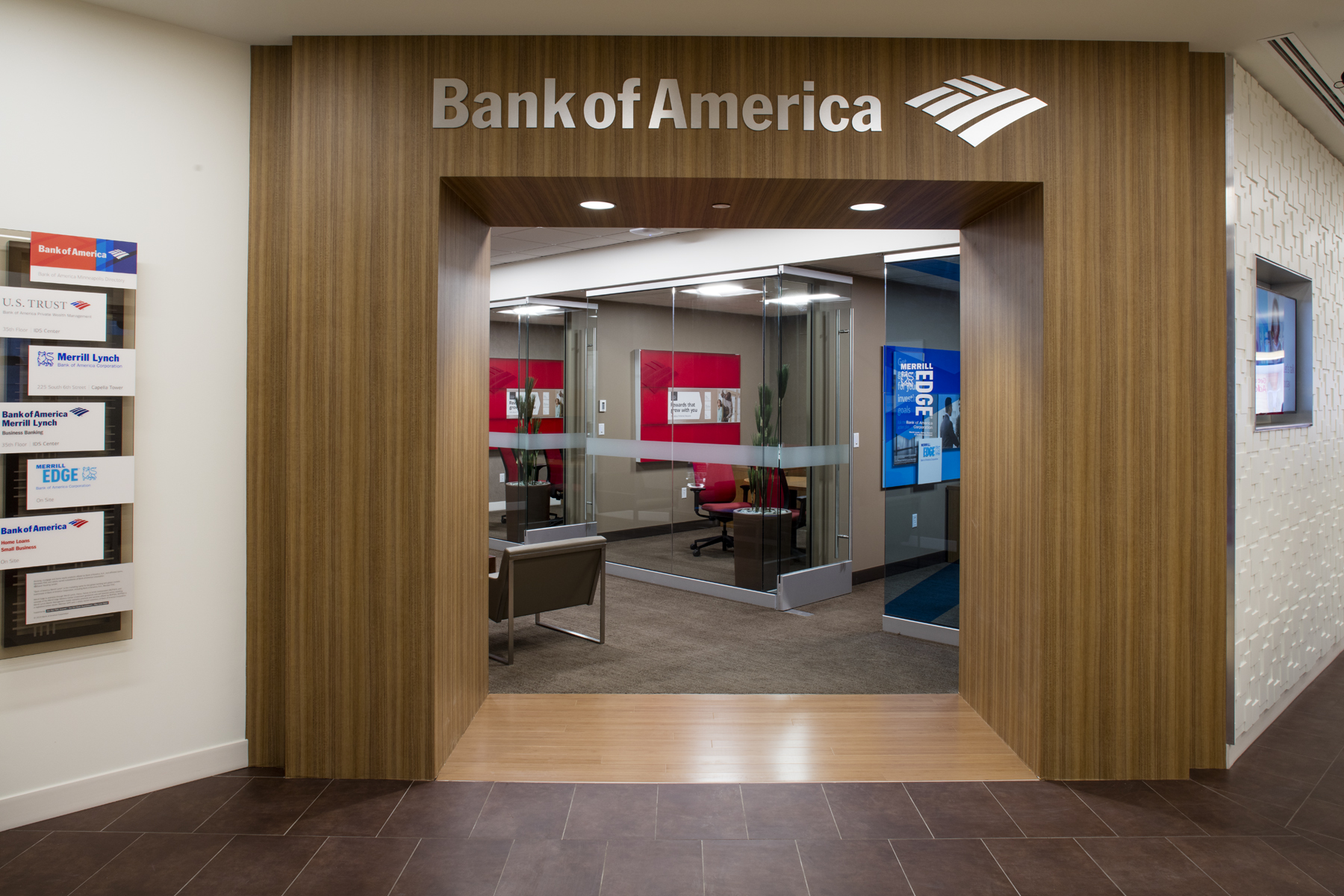
- Wealth and investment management (including Merrill Edge)
- Corporate and investment banking
- Global markets and trading
That diversification makes it more resilient than smaller or more specialized banks, though profits still depend on factors like interest rates, loan demand, and consumer spending.
The bank also consistently passes annual Federal Reserve stress tests, signaling financial strength even in adverse economic scenarios.

NYSE: BAC
Key Data Points
Is Bank of America profitable?
Yes. Bank of America is highly profitable.
As of mid-2025, the bank generated nearly $28 billion in net income over the prior four quarters, with a profit margin of about 27%. Elevated interest rates have supported earnings, though slower loan demand or rising credit losses could pressure results during an economic slowdown.
Does Bank of America pay a dividend?
Bank of America stock pays a quarterly dividend and has paid a dividend every year for decades. However, the Great Recession severely affected the dividend. And afterward, financial reforms limited some of its autonomy in this area.
Still, Bank of America's dividend has steadily increased over the past decade, with management frequently increasing the payout at a double-digit percentage rate. In 2024, it raised its dividend again, this time by 8%. Many investors expect the company to raise it again in July 2025.
ETFs with exposure to Bank of America
If you want exposure without buying the stock directly, several bank exchange-traded funds include Bank of America as a major holding.
Exchange-Traded Fund (ETF)
Will Bank of America stock split?
A stock split appears unlikely in the near term.
Bank of America last split its stock in 2004, when shares traded above $80. With the stock hovering around the mid-$40s in 2025, Bank of America's management has little incentive to split shares again.
The bottom line
Bank of America is a massive financial institution that offers many ways to make money and grow. The bank's diversity allows it to earn a profit consistently throughout different macroeconomic conditions.
While it hasn't provided its shareholders with substantial market-beating gains in recent years, returns have been positive, and it's still well positioned to thrive over the long term. For this reason, it could make sense for some investors to buy and hold Bank of America stock in a well-diversified portfolio.
Related investing topics
FAQ
About the Author