Berkshire Hathaway (BRK.A -0.72%)(BRK.B -1.14%) is a holding company run by investing legend Warren Buffett. Buffett took control of the company in 1965 and transformed it from a struggling textile business into one of the largest and most respected companies in the market.
Unlike hedge funds, Berkshire is accessible to everyday investors -- you only need enough money to purchase a Class B share (around $500 in late 2025). And while many investment firms charge high fees, Berkshire doesn’t, because Buffett views shareholders as long-term partners rather than clients.
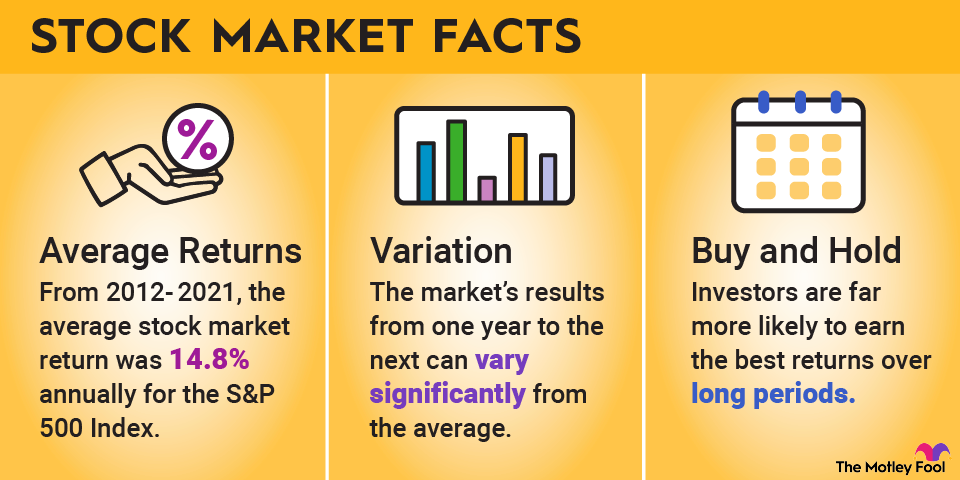
Over the decades, Berkshire has delivered impressive results. From 1965 through 2025, the stock generated an average annual return of 19.9%, nearly double the historical return of the S&P 500 over the same period.
If you're interested in owning a piece of Buffett’s investment approach, here’s a simple guide to buying Berkshire Hathaway stock and what to think about before investing.
How to buy Berkshire Hathaway stock
To buy shares of Berkshire Hathaway, you must have a brokerage account. If you still need to open one, here are some of the best-rated brokers and trading platforms.
- Open your brokerage account: Log in to your brokerage account where you handle your investments.
- Fund your account: Transfer money so you’re ready to invest.
- Search for Berkshire Hathaway: Enter the ticker symbol "BRK.B" into the search bar to bring up the stock's trading page.
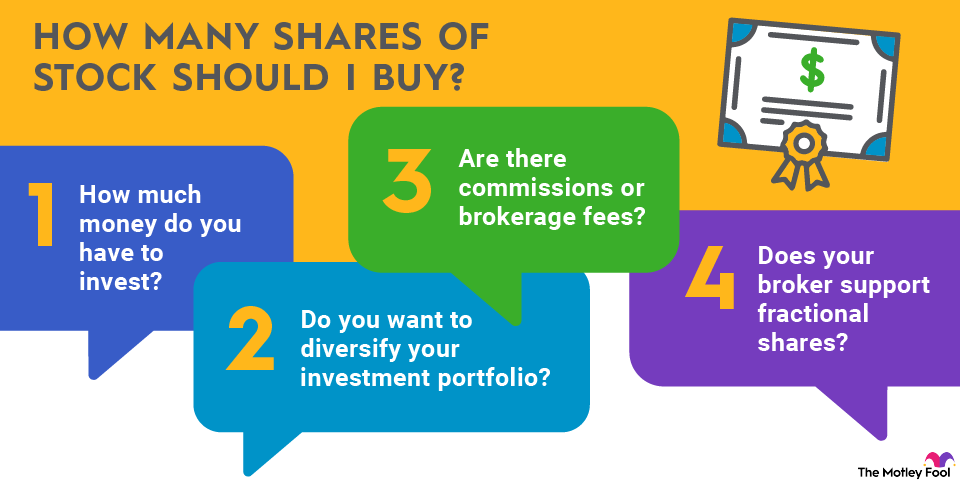
- Decide how many shares to buy: Consider your investment goals and how much of your portfolio you want to allocate to this stock.
- Select order type: Choose between a market order to buy at the current price or a limit order to specify the maximum price you're willing to pay.
- Submit your order: Confirm the details and submit your buy order.
- Review your purchase: Check your portfolio to ensure your order was filled as expected and adjust your investment strategy accordingly.
What does Berkshire Hathaway do?
Berkshire Hathaway operates differently from most companies. Instead of selling a single product or service, it functions as a holding company, meaning it owns a collection of businesses and investments across many industries.
Buffett uses the cash Berkshire generates from its operations and investments to acquire companies outright or buy shares of publicly traded businesses he believes will grow in value over time.
Berkshire owns full or majority stakes in businesses across insurance, railroads, utilities, energy, manufacturing, and retail. Well-known brands under the Berkshire umbrella include GEICO, BNSF, Pampered Chef, Pilot Travel Centers, Fruit of the Loom, and See's Candies.
The company also holds large positions in publicly traded companies, such as Apple (AAPL -0.13%), Bank of America (BAC -1.39%), Coca-Cola (KO +1.41%), Chevron (CVX +0.04%), American Express (AXP -1.72%), and Kraft Heinz (KHC +2.11%). This mix of wholly owned companies and stock investments gives Berkshire flexibility -- it can reinvest profits, make acquisitions, or hold cash if Buffett and his team believe better opportunities will come later.
This long-term, disciplined approach to reinvesting capital is core to how Berkshire aims to grow shareholder value over time.
Should I invest in Berkshire Hathaway?
Before buying shares of Berkshire Hathaway, you must determine whether you want to invest directly in the company.
Reasons to invest in Berkshire
- You believe Berkshire Hathaway can deliver a higher return than an S&P 500 index fund.
- You like Warren Buffett's investment style and want to trust him and his team with your money.
- You don't need to earn dividend income.
- You believe Buffett and his team can put Berkshire's retained cash flows and cash balance to work in growing shareholder value over the long term.
- You understand how Berkshire Hathaway makes money and want to follow the company.
- You realize your investment in Berkshire Hathaway could lose money and might underperform the S&P 500.

NYSE: BRK.B
Key Data Points
Reasons not to invest in Berkshire
- You're worried about Warren Buffett's age and whether his eventual successors will follow his blueprint for growing shareholder value.
- You're concerned that the death of Buffett's long-time business partner, Charlie Munger, might affect the company's future performance.
- You're nearing or in retirement and need dividend income.
- You don't firmly believe Berkshire Hathaway can outperform the S&P 500 over the long term.
- You are a younger, more growth-oriented investor and don't like Buffett's value investing approach.
- You're too busy to follow Berkshire Hathaway and don't want to invest directly in individual stocks.
Is Berkshire Hathaway profitable?
Profit growth helps power stock price appreciation over the longer term. That makes it a good area for beginning investors to focus on before buying shares.
Berkshire Hathaway is a consistently profitable company. Its operating profit rose 15% to $11.6 billion in the second quarter of 2025. The company benefited from higher insurance underwriting profits and increased interest income on its large cash balance.
The company retains all its earnings to allocate toward growing shareholder value. It also holds a lot of cash on its balance sheet -- a record of over $277 billion at the end of 2025's second quarter -- that it intends to deploy when it finds compelling investment opportunities. Berkshire's cash position ballooned after it cut its stake in Apple by almost 50% in the second quarter, raising a staggering $77.1 billion in cash.
Does Berkshire Hathaway pay a dividend?
While Berkshire Hathaway is a very profitable company, it doesn't pay dividends to its shareholders. CEO Warren Buffett believes he and his team can create more value for shareholders by retaining that cash and allocating it toward initiatives that create shareholder value.
Dividend Payments
Those options include reinvesting it into existing businesses, making acquisitions, investing in publicly traded companies, or repurchasing shares when they trade at a discount to the company's estimated intrinsic value. The company bought back $345 million in stock during the second quarter of 2024, its lowest tally in years. It had repurchased $2.6 billion in the first quarter and $2.2 billion in the final period of 2023. However, there were zero share repurchases in 2025.
How to invest in Berkshire Hathaway through ETFs
If you want exposure to Berkshire Hathaway but don’t want to buy individual shares, you can invest through an exchange-traded fund (ETF). ETFs let you own small portions of many companies at once, and you buy them the same way you’d buy a stock.
Because Berkshire Hathaway is one of the larger publicly traded companies, it’s included in major stock market indexes like the S&P 500. That means many index funds and ETFs that track those indexes automatically hold Berkshire stock.
According to ETF.com, 314 ETFs held a reported 226.8 million shares of Berkshire Hathaway in late 2025. The SPDR S&P 500 ETF Trust (SPY +0.04%) was one of the biggest holders, with more than 22 million shares.
Some ETFs have a larger weighting toward Berkshire. For example, the iShares U.S. Financials ETF (IYF -1.31%) held over 13.2% of its portfolio in Berkshire stock, far higher than SPY’s allocation of about 1.6%. That makes IYF a stronger option if you want more exposure to Berkshire through a passive investment approach.
Option | Best for | Exposure Level |
|---|---|---|
Buy BRK.B shares directly | Hands-on investors | Full, direct exposure |
Buy ETF holding Berkshire | Passive or newer investors | Varies by fund |
Will Berkshire Hathaway stock split?
Berkshire Hathaway has never implemented a stock split for its Class A shares (BRK.A), which is one reason those shares traded at almost $763,000 apiece in late 2025. It will likely never split that class of its stock.
However, in response to unit investment trusts that were formed to allow small investors to invest in Berkshire stock (and to make its stock more accessible to more investors), Berkshire created Class B shares (BRK.B) in 1996 with a much lower price point. The company has only split that stock class once. It completed a 50-for-1 split in 2010. At the time of the split, shares were trading at around $3,500.
As of late 2025, Berkshire had not announced an upcoming stock split. With the Class B shares trading at more than $508 a share, it doesn't seem likely that Berkshire will split its stock anytime soon, given its historical trend.
The bottom line on investing in Berkshire Hathaway stock
An investment in Berkshire Hathaway is one in Warren Buffett and his team. It's a wager that they can allocate the cash flows produced by Berkshire Hathaway's operating businesses and investments to create more value for shareholders.
They have done a phenomenal job growing value for investors over the years. While that past success is no guarantee of future returns, Berkshire Hathaway has the potential to be a solid long-term investment.
Related investment topics
FAQ
FAQ on investing in Berkshire Hathaway stock
About the Author