Operating throughout the energy value chain, Chevron (CVX +1.80%) is an industry stalwart dedicated to rewarding shareholders, so it's not surprising that many investors are keenly interested in Chevron stock. The company has come a long way from its modest beginnings in 1879 as the energy industry was starting to develop in California.
Now, it is a global energy industry leader, operating a vast portfolio of upstream and downstream assets. The company is also expanding beyond fossil fuels and trying to increase its presence on the burgeoning hydrogen landscape, targeting annual hydrogen production of 150,000 metric tons by 2030.
Whether you're new to inveseting in oil stocks or looking to diversify your energy holdings with an oil supermajor, there are plenty of reasons why Chevron will come up on investors' radars. Let's look at the steps needed to power your portfolio with Chevron stock and some things to consider first.
How to buy Chevron stock
Whether investors are interested in energy stocks or oil stocks in particular, there are a few basic steps they must take before gassing up on a purchase of Chevron stock.
- Open your brokerage account: Log in to your brokerage account where you handle your investments. If you don't have one yet, take a look at our favorite brokers and trading platforms to find the right one for you.
- Search for Chevron: Enter the ticker "CVX" into the search bar to bring up the stock's trading page.
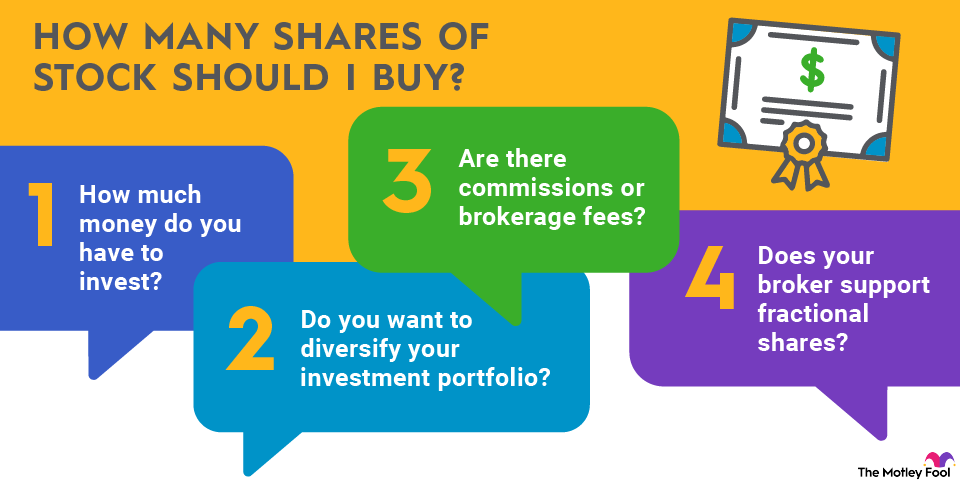
- Decide how many shares to buy: Consider your investment goals and how much of your portfolio you want to allocate to this stock.
- Select order type: Choose between a market order to buy at the current price or a limit order to specify the maximum price you're willing to pay.
- Submit your order: Confirm the details and submit your buy order.
- Review your purchase: Check your portfolio to ensure your order was filled as expected and adjust your investment strategy accordingly.
Should you invest in Chevron?
Whether Chevron is a good investment depends on your goals and risk tolerance. As an oil and gas company, it may not appeal to investors concerned about environmental risks or long-term fossil fuel demand.
Performance is another factor. Over the past decade, Chevron has lagged the broader market, delivering a 155% total return versus 278% for the S&P 500 as of late 2025. Over longer periods, however, the picture improves: Over the past 25 years, Chevron has slightly outperformed the index.
Chevron may also appeal to investors who value stability and income. Berkshire Hathaway has held the stock since 2020, and Chevron has increased its dividend for decades, making it a strong option for investors seeking reliable passive income.

NYSE: CVX
Key Data Points
Is Chevron profitable?
The effects of the COVID-19 pandemic contributed to Chevron (and many of its peers) reporting a net loss in 2020. But with the help of its extensive operations throughout the value chain, Chevron has generally reported a profit over the past 30 years. In 2024, Chevron reported diluted earnings per share of $9.72.
It's important to recognize, though, that the company's profitability is not the only factor warranting recognition, but that it distinguishes itself from its peers in terms of the degree to which it is profitable. Compared to oil supermajor peers ExxonMobil (XOM +1.38%) and Shell (SHEL +0.77%), Chevron consistently generates a higher earnings before interest, taxes, depreciation, and amortization (EBITDA) margin.
Does Chevron pay a dividend?
Not only does it pay a dividend, but Chevron is also one of the most distinguished dividend stocks available to investors. For 38 consecutive years, Chevron has raised its payout, most recently announcing a 5% increase to $1.71 per share during its fourth-quarter 2024 conference call.
After paying out $1.71 per share in the remaining quarters of 2025, it has hiked its dividend at a 4.8% compound annual growth rate over the past 10 years.
ETFs with exposure to Chevron
For investors interested in not just Chevron but also broader exposure to energy stocks, an oil exchange-traded fund (ETF) that includes Chevron among its holdings is a great choice. There are a variety of choices, but the Energy Select Sector SPDR Fund (XLE +0.26%) is a top option.
Exchange-Traded Fund (ETF)
This fund includes stocks that represent the energy sector of the S&P 500 and counts Chevron as one of its top positions, comprising about 17.6% of holdings. The ETF has a gross expense ratio of 0.08% and makes quarterly distributions.
For investors more interested in Chevron as a passive income opportunity and less interested in energy exposure, the WisdomTree Global High Dividend Fund (DEW -0.03%) is a top choice. The ETF focuses on large-cap, worldwide companies that offer high dividend yields.
Chevron is the ETF's second-largest holding. With a 0.58% expense ratio, the ETF had a 30-day Securities and Exchange Commission dividend yield of 3.6% as of mid-November, 2025.
Will Chevron stock split?
Chevron last completed a 2-for-1 stock split in 2004, but it has made no indication that it plans to split it again any time soon. With many brokers offering investors the ability to acquire fractional shares of stocks, many companies are less inclined to offer stock splits.
The bottom line on Chevron
In light of the boom-and-bust cycles of energy prices, some investors may be wary of investing in oil and gas companies like Chevron. For people who have held Chevron stock in their portfolios for the long term, it has proven to be a great investment, outperforming the S&P 500 over the past 30 years.
Whether you're an investor interested in benefitting from upswings in energy prices, generating steady passive income, or looking for a conservative stock endorsed by sage investors like Buffett, Chevron is a compelling choice.
Related investing topics
FAQ
About the Author