After a long wait, Figma stock finally went public in 2025. The cloud-based software company best known for its user interface and user experience (UI/UX) design tools started trading on the New York Stock Exchange on July 31, 2025.
Below, we'll explain how to buy Figma, what you should know about its IPO, and what type of investor it's right for.
How to buy Figma stock directly
If you're interested in buying Figma, the process is the same as buying shares of any other publicly traded company. Just follow these steps.
- Log in or open a brokerage account: Log in to your brokerage account where you handle your investments. If you don't have one yet, take a look at our favorite brokers and trading platforms to find the right one for you.
- Fund your account: Transfer money so you’re ready to invest.
- Search for Figma: Enter the ticker symbol "FIG" into the search bar to bring up the stock's trading page.
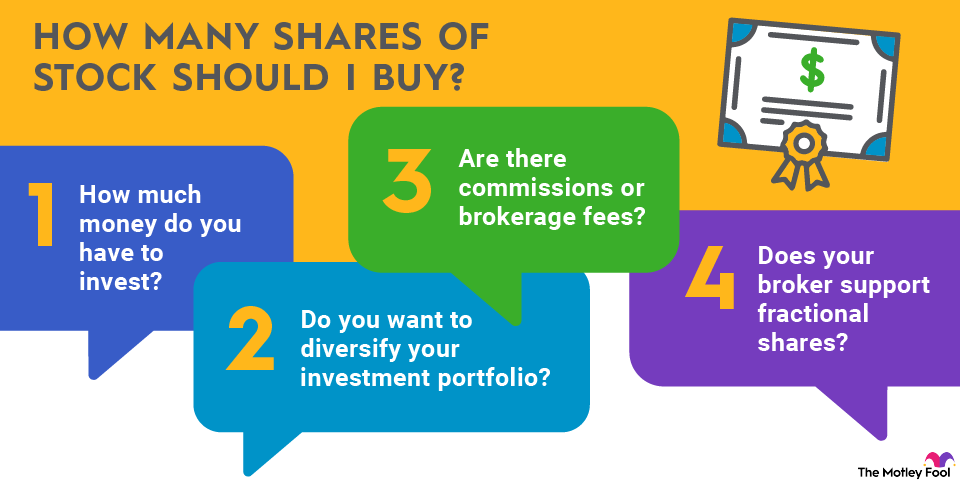
- Decide how many shares to buy: Consider your investment goals and how much of your portfolio you want to allocate to this stock.
- Select order type: Choose between a market order to buy at the current price or a limit order to specify the maximum price you're willing to pay.
- Submit your order: Confirm the details and submit your buy order.
- Review your purchase: And that's it! Check your portfolio to ensure your order was filled as expected and adjust your investment strategy accordingly.
A quick recap of Figma's IPO
Figma went public on July 31, 2025, pricing shares at $33 each, but investor demand pushed the price above $100 on day one, valuing the company north of $60 billion.
A big driver of interest was Adobe's (ADBE -7.30%) attempted $20 billion takeover in 2022. Regulators blocked the deal over antitrust concerns, which only amplified Figma’s reputation as Adobe’s strongest rival, and a rare breakout software platform with a cult-level user base.
The IPO confirms what many in tech already believed: Figma isn’t just design software, it’s becoming core infrastructure for modern product development.
IPO
Is Figma profitable?
As of its most recent quarter, Figma was not only profitable but also growing rapidly. The strong results help explain the company's decision to go public in 2025. In the first quarter of 2025, Figma reported revenue of $228.2 million, up 46% from a year ago, and had an operating profit of $39.8 million, giving it an operating margin of 17.4%.
On the bottom line, the company reported net income of $44.9 million in the quarter. In the two previous years, Figma had been unprofitable on a GAAP basis. In 2023, it reported an operating loss of $73.5 million on revenue of $504.9 million. In 2024, its operating loss exploded to $877.4 million on revenue of $749 million.
On an adjusted basis, however, the company was profitable. It reported a $27.1 million adjusted operating profit in 2023, which excludes $97.8 million in expenses associated with the failed merger with Adobe.
In 2024, Figma's adjusted operating profit was $127.2 million due to $947.5 million in stock-based compensation, which the company granted through a restricted stock unit release to reward shareholders following the abandoned merger with Adobe.
Over the last four quarters, the company has had an 18% adjusted operating margin on $821 million in revenue. By any reasonable definition, Figma is profitable, and its other financial metrics are impressive, including a 91% gross margin and 132% net dollar retention, meaning revenue from existing customers increased by 32% over the previous four quarters.

NYSE: FIG
Key Data Points
The bottom line
Figma will end up being one of the biggest, if not the biggest, IPOs of 2025, and there are a number of reasons the stock soared on its debut. It's growing rapidly, profitable, appears to have a bright future, has built a large customer base -- with 76% of the Forbes 2000 companies among its customers -- and it's been able to cross-sell products as it grows its product portfolio.
Adobe's attempt to buy the company for $20 billion when it was much smaller three years ago also adds to its credibility. As a business, Figma looks poised for success. While its valuation is steep, the stock deserves to trade at a premium, given its track record of revenue growth and profitability and the strength of its product portfolio.
Related investing topics
FAQ
FAQ about investing in Figma
About the Author