Netflix (NFLX +0.28%) started as a DVD-by-mail business in 1997, but today it’s the world’s leading streaming platform. Over the years, the company has repeatedly adapted, first by moving to streaming, then by producing its own shows and movies, and more recently by adding a cheaper, ad-supported plan.
That flexibility has helped Netflix stay ahead even as competitors like Disney (DIS +2.84%) and Warner Bros. Discovery (WBD -0.63%) push into streaming. As of late 2025, Netflix operates in more than 190 countries and continues to look for new ways to grow.
How to buy Netflix stock
Since Netflix is a publicly traded company, you can buy shares in any brokerage account.
- Open your brokerage account: Log in to your brokerage account where you handle your investments. If you don't have one yet, see our list of the top-rated brokers and trading platforms to choose the right one for you.
- Fund your account: Transfer money so you’re ready to invest.
- Search for Netflix: Enter the ticker "NFLX" into the search bar to bring up the stock's trading page.
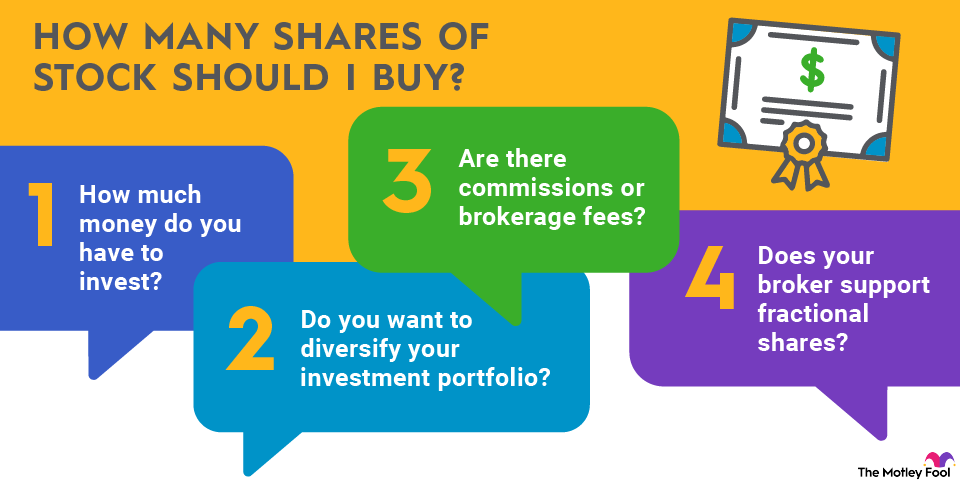
- Decide how many shares to buy: Consider your investment goals and how much of your portfolio you want to allocate to this stock.
- Select order type: Choose between a market order to buy at the current price or a limit order to specify the maximum price you're willing to pay.
- Submit your order: Confirm the details and submit your buy order.
- Review your purchase: Check your portfolio to ensure your order was filled as expected and adjust your investment strategy accordingly.
Should you invest in Netflix?
There are plenty of good reasons to invest in Netflix stock:
- You want to bet on the streaming industry and its continued market share gains from linear TV.
- You believe that Netflix will be able to maintain its dominance even as competitors invest heavily in streaming platforms of their own, supported by its scale, content strategy, and shareholder structure.
- You want to invest in a company with a history of quickly and boldly adapting to changing market conditions.
- You think Netflix's original content gives it a competitive advantage.
- You believe that Netflix still has plenty of room to grow as it expands in international markets.
- You see long-term growth opportunities beyond streaming, like the company's slow push into the video gaming market.
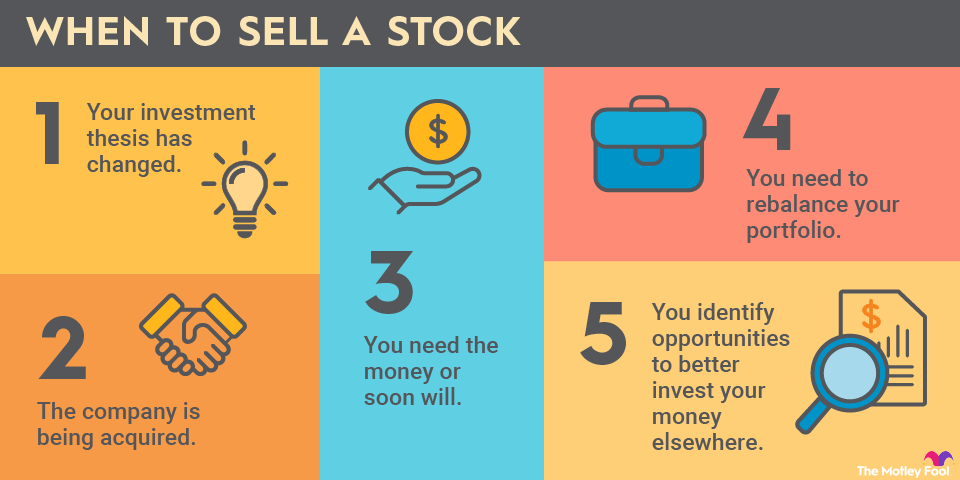
However, valuation matters. As of late 2025, Netflix trades at about 45 times earnings, well above the broader market. That means investors expect strong future growth, and if growth slows, the stock could fall.

NASDAQ: NFLX
Key Data Points
Is Netflix profitable?
Yes, Netflix is profitable. In the third quarter of 2025, Netflix reported $11.5 billion of revenue and $2.5 billion of net income. The company also generates strong free cash flow (almost $2.7 billion in the third quarter).
Does Netflix pay a dividend?
No. Netflix reinvests its cash into content and growth instead of paying dividends. While the company could afford one, management appears focused on staying competitive rather than returning cash to shareholders.
How to invest in Netflix through ETFs
Buying shares of a single stock can be risky, especially if you’re just getting started. One way to gain exposure to Netflix with less risk is through an exchange-traded fund (ETF) that already owns the stock.
Netflix is a member of a variety of stock market indexes, including the S&P 500 index and the Nasdaq Composite. That means any ETF that tracks those indexes automatically holds Netflix shares.
The largest ETFs that own Netflix stock include Invesco QQQ Trust (QQQ -1.75%), SPDR S&P 500 ETF Trust (SPY -0.48%), and iShares Core S&P 500 ETF (IVV -0.47%).
Netflix is also held by more specialized ETFs, including iShares MSCI USA Momentum Factor ETF (MTUM -3.67%) and First Trust Dow Jones Internet Index Fund (FDN -1.96%). These funds typically charge higher fees than broad market ETFs, but they also allocate a larger portion of their portfolios to Netflix.
For investors who want more exposure to Netflix without buying the stock directly, and who feel the allocation in broad index funds is too small, these specialized ETFs can be a practical middle ground.
Will Netflix stock split?
Netflix announced an upcoming stock split in late 2025. The company completed a 10-for-1 stock split on Nov. 17, 2025. Shares had traded above $1,000 before the stock split announcement.
It was the third stock split in Netflix's history. The first stock split came in 2004, just a couple of years after the company went public. The second split came in 2015.
The bottom line
Netflix has a decades-long track record of reinventing itself in a rapidly changing media industry. The company isn't afraid to make massive investments if the long-term payoff makes sense.
Following a pandemic-era surge in subscriber growth, Netflix is solidly profitable and at the top of its game in terms of producing original content. While competition will put pressure on Netflix, the stock is a great way to bet on the future of the streaming industry.
Related investing topics
FAQ
Investing in Netflix FAQ
About the Author