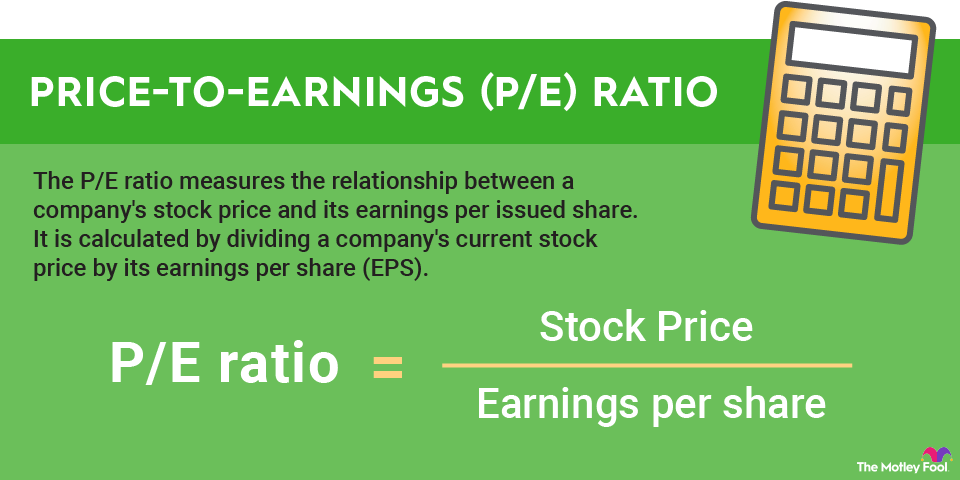
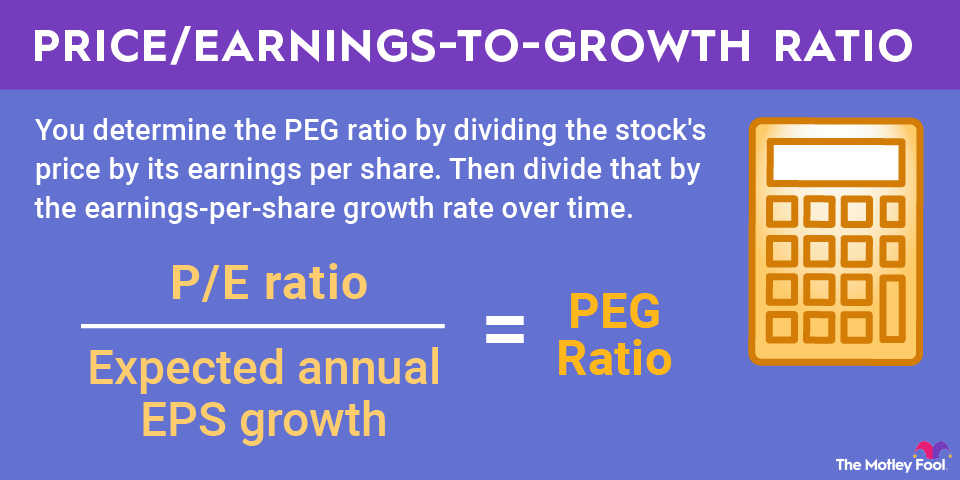
The price/earnings-to-growth ratio (PEG ratio) is one of several different ways to value a stock, but it's the only metric that takes a company's earnings growth rate into account.
Loading image...
Loading paragraph...
Loading paragraph...
Loading paragraph...
Loading image...
Loading paragraph...
Loading hub_pages...
Loading paragraph...
Loading definition...
Loading paragraph...
About the Author

Jeremy Bowman has been a contributing Motley Fool stock market analyst, covering technology, consumer goods, and macroeconomic trends since 2011. Before The Motley Fool, Jeremy was a newspaper reporter, restaurant manager, and English teacher abroad. He holds a bachelor’s degree in English from Colorado College and a master’s degree in business administration from American University. One of his Motley Fool headlines was briefly featured on Late Night with Stephen Colbert.
Jeremy Bowman has no position in any of the stocks mentioned. The Motley Fool has positions in and recommends Alphabet. The Motley Fool recommends Verizon Communications. The Motley Fool has a disclosure policy.