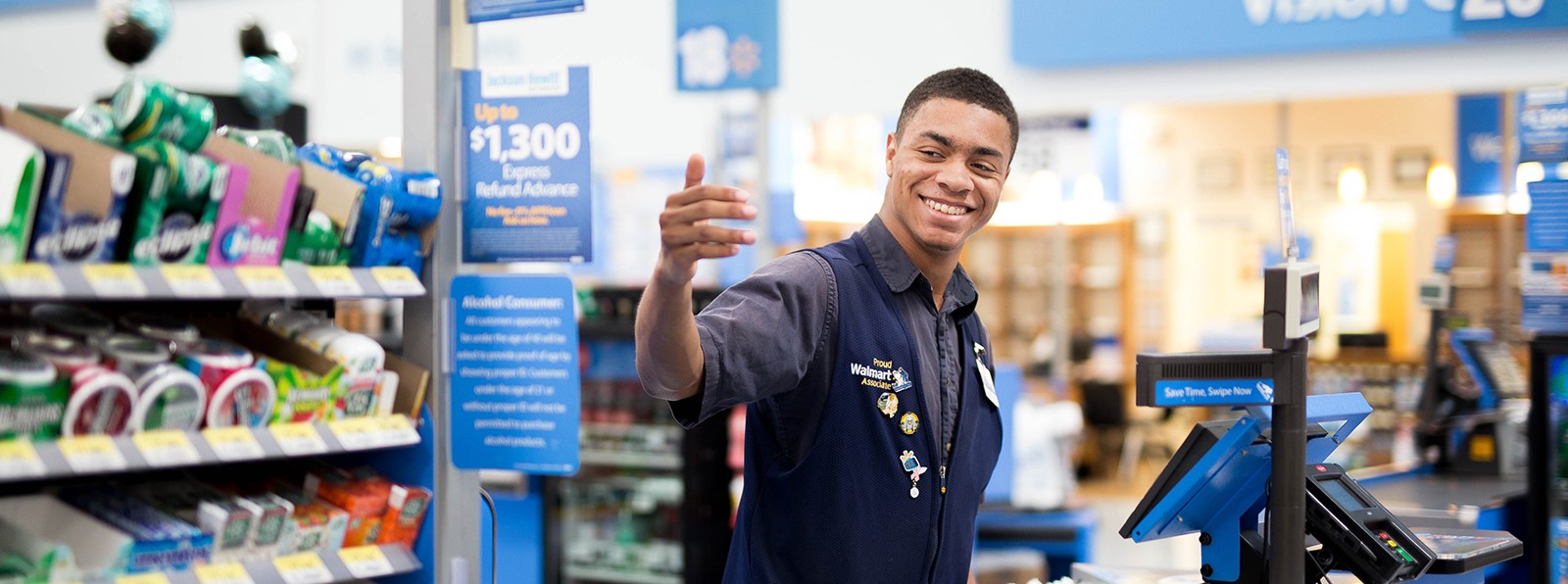
Walmart (WMT +0.23%) is the largest consumer staples company, with Costco (COST -0.13%) ranking second and Procter & Gamble (PG -1.31%) coming in third. The top of this market sector also includes popular household brands and some of the biggest tobacco companies.

Largest companies by market cap in the consumer staples sector
(Editor's note: Rankings are as of Dec. 3, 2025.)
1. Walmart

NYSE: WMT
Key Data Points
- Market cap: $897.08 billion (as of Dec. 3)
- Revenue (TTM): $703.1 billion
- Gross profit (TTM): $175.1 billion
- Five-year annualized return: 19.35%
- Year founded: 1962
TTM = trailing 12 months.
Retail giant Walmart is the world's largest company in terms of revenue and the world's largest family-owned business. The Walton family owns about 45% of the total shares.
Founder Sam Walton also launched Sam's Club, a popular warehouse club owned by Walmart. Across both brands, Walmart operates more than 10,750 retail locations in 19 countries and employs more than 2 million associates worldwide.
Walmart is known for offering low prices on a massive selection of products, including general merchandise, groceries, and health products, with the selection varying by store. In November 2025, Walmart announced that long-time CEO Doug McMillon would step down in early 2026. John Furner, the company's U.S. CEO, will succeed McMillon.
2. Costco Wholesale

NASDAQ: COST
Key Data Points
- Market cap: $408.90 billion (as of Dec. 3)
- Revenue (TTM): $275.2 billion
- Gross profit (TTM): $35.3 billion
- Five-year annualized return: 21.11%
- Year founded: 1983
Costco is the most popular warehouse club in the U.S., boasting 145 million members. It has a unique business model, generating enough money from membership fees to cover most of its operating expenses. This allows it to offer lower prices on the products it carries.
The product selection at Costco warehouses and its website includes groceries, electronics, appliances, and clothing. Warehouses also have food courts, and Costco offers several other services, including a pharmacy and a travel booking service.
Costco recently sued the Trump administration for imposing sweeping import tariffs. The legal status of those tariffs is already being argued in the Supreme Court, but Costco decided to file a lawsuit because retailers aren't guaranteed a refund, even if tariffs are struck down.
3. Procter & Gamble

NYSE: PG
Key Data Points
- Market cap: $341.38 billion (as of Dec. 3)
- Revenue (TTM): $84.9 billion
- Gross profit (TTM): $43.3 billion
- Five-year annualized return: 3.77%
- Year founded: 1837
Procter & Gamble is the company behind many of the most well-known household products. Its portfolio comprises dozens of popular brands, including Ariel laundry products, Pampers diapers, Bounty paper towels, Gillette razors, and various skincare products.
This company has established strong retail partnerships worldwide, and its products are available in more than 180 countries. It employs about 109,000 people.
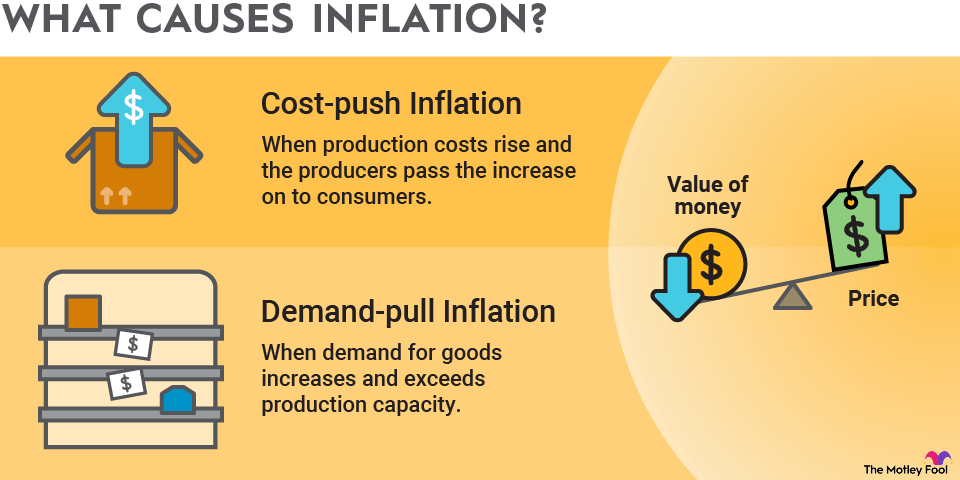
Procter & Gamble announced plans in June 2025 to cut about 7,000 jobs over the next two years. While it's part of a restructuring plan, economic uncertainty from tariffs has led to an acceleration of that plan. Procter & Gamble also announced that it's raising prices on about a quarter of its U.S. products due to tariffs.
4. Coca-Cola

NYSE: KO
Key Data Points
- Market cap: $304.14 billion (as of Dec. 3)
- Revenue (TTM): $47.7 billion
- Gross profit (TTM): $29.4 billion
- Five-year annualized return: 9.25%
- Year founded: 1892
Coca-Cola gets its name from its flagship product, the iconic Coca-Cola soft drink. Coca-Cola is now one of the beverage company's more than 500 brands, a list that also includes Minute Maid, Sprite, Dasani, and Powerade.
Coca-Cola products are sold in more than 200 countries. Worldwide, more than 2.2 billion servings of Coca-Cola beverage products are consumed every day.
5. Philip Morris International

NYSE: PM
Key Data Points
7. PepsiCo

NASDAQ: PEP
Key Data Points
- Market cap: $203.46 billion (as of Dec. 3)
- Revenue (TTM): $92.4 billion
- Gross profit (TTM): $49.8 billion
- Five-year annualized return: 3.52%
- Year founded: 1898 (Pepsi-Cola Company), 1965 (PepsiCo)
A leading food and beverage company, PepsiCo began with the soft drink Pepsi, which is still its flagship product. It merged with Frito-Lay in 1965 and has since acquired numerous brands, resulting in a diverse portfolio of products.
PepsiCo has a market presence in more than 200 countries and territories and has over 20 brands that generate more than $1 billion in annual revenue. Some of its major brands include Doritos, Gatorade, Quaker Oats, and Rockstar.
8. Unilever
- Market cap: $145.96 billion (as of Dec. 3)
- Revenue (TTM): $79.5 billion*
- Gross profit (TTM): $35.1 billion*
- Five-year annualized return: 4.15%
- Year founded: 1929
*Converted from British pounds.
Unilever is a British consumer goods company with beauty and wellness, personal care, home care, and food products. Its brands include Dove, Axe, and Vaseline. Unilever also has ice cream brands, most notably Ben & Jerry's (although it plans to spin off that segment by the end of 2025). However, its relationship with Ben & Jerry's has been rocky recently. Co-founder Jerry Greenfield left the ice cream maker in September 2025, claiming that Unilever put a halt to the brand's social activism.
In 2024, Unilever announced plans to restructure and cut 7,500 jobs as part of a plan to improve performance. It had already cut about 6,000 by the first quarter of 2025. Unilever also went through a leadership change earlier this year, replacing CEO Hein Schumacher with Fernando Fernandez.
9. British American Tobacco

NYSE: BTI
Key Data Points
- Market cap: $126.46 billion (as of Dec. 3)
- Revenue (TTM): $34.0 billion*
- Gross profit (TTM): $28.4 billion*
- Five-year annualized return: 18.59%
- Year founded: 1902
*Converted from British pounds.
British American Tobacco owns the Lucky Strike, Dunhill, Camel, and Newport brands of cigarettes, among others. It also owns the Grizzly brand of dipping tobacco.
With the declining popularity of tobacco and the regulatory issues surrounding it, British American Tobacco has invested in what it calls "reduced-risk" alternatives. The tobacco company launched its first vaping product in 2013 with the Vuse line of electronic cigarettes. Vuse is now the top global vaping brand.
10. Anheuser-Busch InBev
- Market cap: $120.75 billion (as of Dec. 3)
- Revenue (TTM): $58.6 billion
- Gross profit (TTM): $32.8 billion
- Five-year annualized return: -0.91%
- Year founded: 1852 (Anheuser-Busch), 2008 (acquired by AB InBev)
Anheuser-Busch InBev is the world's largest brewing company, with more than 500 brands sold in 150 countries. Its brands include Budweiser, Corona, and Michelob ULTRA.
The Anheuser-Busch brewing company traces its roots to 1852, when it was called Bavarian Brewery. It eventually became the largest brewer in the U.S. In 2008, drink and brewing company AB InBev acquired Anheuser-Busch for $52 billion.
Related investing topics
Consumer staples sector takeaways for investors
The largest consumer staples companies are all widely recognized brands or have well-known brands in their portfolios. Overall, this is one of the safer and more resilient market sectors. Top consumer staples companies are profitable businesses that see continued demand for their products, even during economic downturns. Many of them also pay high dividends.
Not all of those companies are safe picks, though. This sector also includes tobacco companies, and while they often yield great dividends, the tobacco business is a high-risk one. But there are many other types of businesses in this market sector, giving investors plenty of options.