Social Security is a major source of retirement income for millions of Americans, but the amount it provides can vary significantly depending on when benefits start. Some people claim benefits as soon as they are eligible, at age 62, and others wait until age 70 to receive a larger monthly payment.
Unfortunately, nearly half of U.S. workers have little to no idea how much income they should expect from Social Security in retirement, according to the National Institute on Retirement Security. And without some idea of future benefits, planning for retirement can be difficult.
The best way to estimate your future benefit is to check your "my Social Security" account, a free service from the Social Security Administration. But looking at the average benefit at different ages can provide a useful benchmark for comparison.

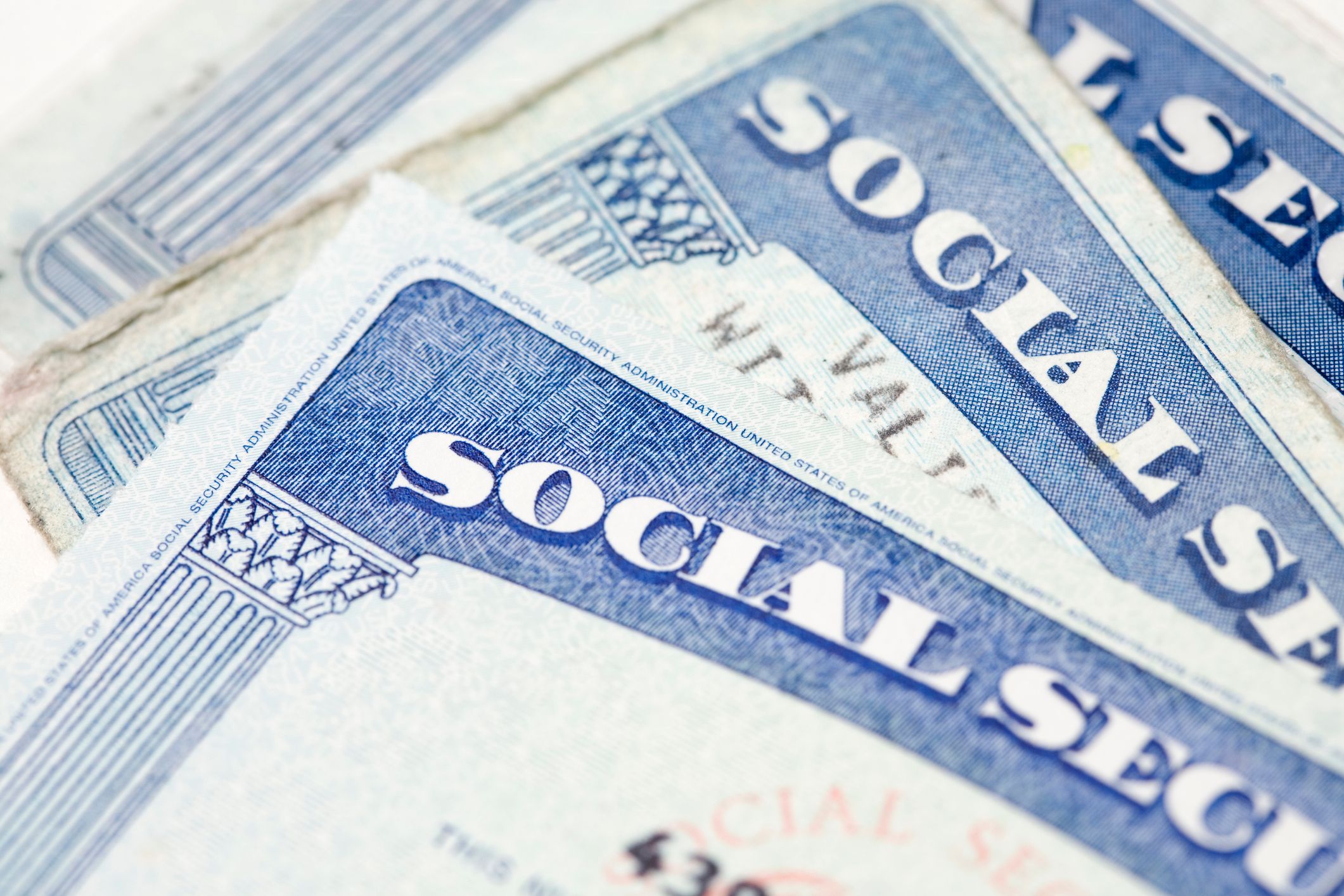
Image source: Getty Images.
Here's the average Social Security benefit for retired workers at ages 62 to 70
The Social Security Administration (SSA) periodically publishes anonymized benefit data to promote public understanding. The data in the chart below comes from a biannual report that was last updated in December 2025. It shows the average monthly Social Security benefit for retirees between ages 62 and 70.
|
Age |
Average Social Security Benefit |
|---|---|
|
62 |
$1,424 |
|
63 |
$1,436 |
|
64 |
$1,478 |
|
65 |
$1,607 |
|
66 |
$1,807 |
|
67 |
$2,016 |
|
68 |
$2,053 |
|
69 |
$2,097 |
|
70 |
$2,275 |
Source: Social Security Administration. Note: Benefit payment amounts have been rounded to the nearest dollar.
As shown above, the average benefit for retired workers becomes progressively larger between ages 62 and 70. That is primarily due to differences in when workers claim Social Security. While eligibility begins at age 62, those who wait until age 70 are entitled to their maximum monthly payout based on their personal earnings history.
A step-by-step guide to how your Social Security benefit is calculated
The Social Security Administration (SSA) considers two major variables when calculating the benefit amount for retired workers: lifetime earnings and claim age. The steps below summarize the process:
- The SSA indexes a worker's earnings to account for changes in general wage levels that occurred during their years of employment. This ensures that future benefits account for any increase in the standard of living that occurred during a worker's career.
- The SSA applies a formula to the indexed earnings from the 35 highest-paid years of a worker's career to determine their primary insurance amount (PIA). The PIA is the benefit a person will receive if they start Social Security at full retirement age (FRA).
- The SSA adjusts a worker's PIA based on claim age. Those who claim earlier than FRA are hit with a permanent reduction, meaning they get less than 100% of their PIA. Those who claim later than FRA earn delayed retirement credits, which increase the payout to more than 100% of the PIA.
The chart below shows the benefit (as a percentage of PIA) a retired worker will receive if they claim Social Security at ages 62 and 70, respectively. In other words, it quantifies the impact of early and delayed retirement on benefit payments.
|
Birth Year |
Full Retirement Age |
Benefit at Age 62 |
Benefit at Age 70 |
|---|---|---|---|
|
1943–1954 |
66 |
75% |
132% |
|
1955 |
66 and 2 months |
74.2% |
130.6% |
|
1956 |
66 and 4 months |
73.3% |
129.3% |
|
1957 |
66 and 6 months |
72.5% |
128% |
|
1958 |
66 and 8 months |
71.7% |
126.6% |
|
1959 |
66 and 10 months |
70.8% |
125.3% |
|
1960 and later |
67 |
70% |
124% |
Data source: The Social Security Administration.
The chart above makes it clear that Social Security is heavily dependent on the age at which a worker claims benefits. For example, someone born in 1960 or later can increase their Social Security payments by 77% (i.e., 124% divided by 70%) if they simply claim benefits at age 70 rather than age 62.