Taxable Income

Invest better with The Motley Fool. Get stock recommendations, portfolio guidance, and more from The Motley Fool's premium services.
At what point do you max out Social Security?
What is the 35-year rule for Social Security?
At what age is Social Security no longer taxed?
Why is it better to take Social Security at age 66 instead of 70?
Learning how to optimize your Social Security benefits can make a significant difference in your retirement planning. Social Security makes up about 30% of the income for people 65 and older. But increasing your Social Security requires careful planning.
In this article, we'll cover seven strategies for maximizing your Social Security checks and explain how much you'll get after accounting for Medicare and taxes.
Of course, you can't just snap your fingers and make your boss give you a raise. But your benefit is based on how much you've paid into Social Security, so earning more will help you score fatter checks. If negotiating a higher salary at your current job isn't an option, you could apply for better-paying jobs or take on a side gig.
Keep in mind, though, that Social Security will only consider your earnings up to the maximum taxable income in any given year. The taxable maximum is $176,100 in 2025; it increases to $184,500 in 2026. So, even if you earn $1 million in 2026, Social Security would record your yearly income as $184,500.
The Social Security benefits formula uses an inflation-adjusted average of your 35 highest-earning years. If you work only 32 years, you'll have three years with $0 in earnings, which would lower your benefit. Working at least 35 years will help you maximize your benefit -- and working additional years could increase your benefit if you're replacing lower-earning years with higher-earning ones.
You won't be eligible for your primary insurance amount until you reach full retirement age (FRA), which is 67 if you were born in 1960 or later. It's possible to start Social Security at age 62, but your benefit will be about 30% lower.
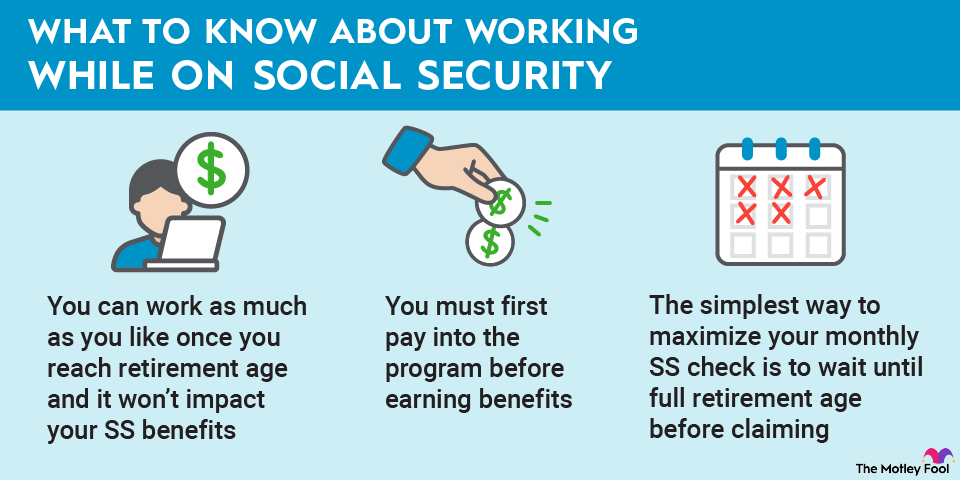
If you truly want to score the maximum Social Security benefit, though, you'll want to delay past FRA. You'll earn an extra 8% in delayed retirement credits for every year you wait, up to age 70, which is when your benefit maxes out.
In 2025 and 2026, if you claim Social Security while working and haven't reached FRA, Social Security imposes limits on how much you can earn before it withholds part of your benefit:
Once you reach FRA, Social Security won't withhold part of your benefit, no matter how much you earn. Note that even if you collect benefits early and continue working, Social Security will recalculate your benefit when you reach FRA to give you credit for the amount it withheld. Your benefit will increase as a result.
If your current or former spouse earned significantly more than you, you may get a bigger benefit by collecting based on their work record. Spousal benefits are paid to current spouses, as well as ex-spouses (if the marriage lasted at least 10 years).
The maximum benefit is 50% of their primary benefit. Collecting early will reduce your benefit more, but you can't earn delayed retirement credits for waiting past FRA. Your benefit will max out at age 67, not 70.
If you're a widowed spouse (or if your ex-spouse of at least 10 years has died), you could be eligible for survivor benefits. Survivor benefits are up to 100% of the late spouse's benefit (if they were already claiming) or up to 100% of their primary insurance amount (if they weren't taking benefits yet).
You can claim as early as age 60, rather than 62, for a reduced amount. As with spousal benefits, survivor benefits max out at age 67. Note that Social Security doesn't let you claim multiple benefits. You can collect your own retirement benefit or a spousal or survivor benefit, but not both.
If you've already started receiving Social Security but now wish you'd held out for a larger benefit, you may have two options for increasing your checks:
You technically won't get bigger Social Security payments if you opt for a Roth IRA or a Roth 401(k) over traditional accounts, but you will get to keep more of your benefit. Withdrawals from Roth accounts are generally tax-free in retirement because you've already paid taxes on that money. However, with traditional retirement accounts, you get a tax break on your contributions but have to pay taxes on withdrawals.
Roth withdrawals aren't counted as income for Social Security purposes, so saving in a Roth IRA account maximizes the amount of your Social Security check you actually get to keep.
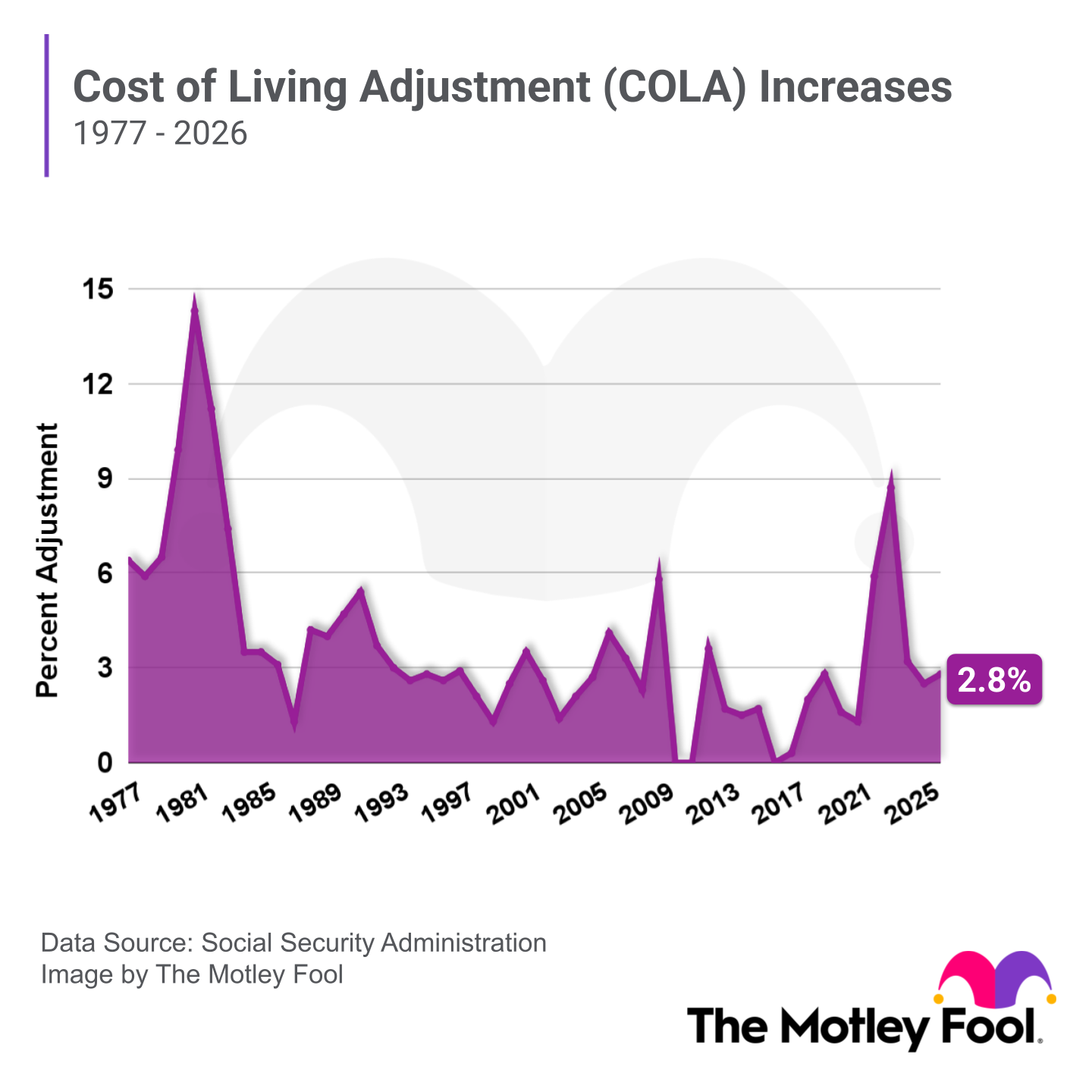
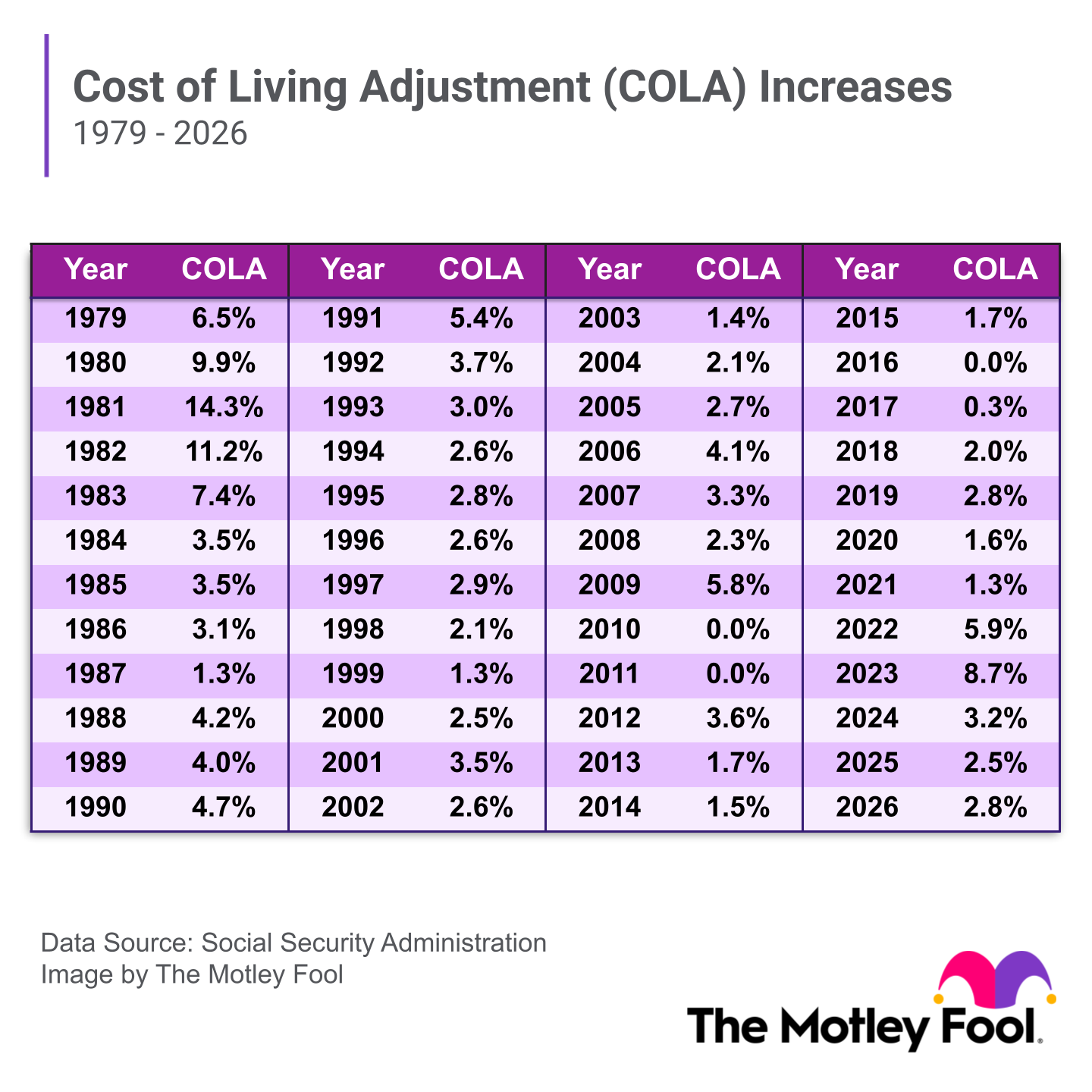
In December 2025, the average Social Security payment for retired workers was about $2,015 per month. The average monthly benefit is expected to rise to $2,071 in January 2026 once the 2.8% cost-of-living adjustment (COLA) for 2026 is applied.
The maximum monthly benefit for someone retiring at FRA in 2025 is $4,018. With the 2026 COLA, that amount will jump to $4,152.
Most people don't pay a Medicare Part A premium; however, Part B premiums are typically deducted from Social Security checks. In 2026, most seniors will pay $202.90 a month for Part B premiums, but those with incomes above $109,000 (individuals) or $218,000 (married couples) pay higher amounts.
One of the biggest myths about Social Security is that increasing your payments is easy. But as you can see, maximizing your Social Security benefit requires you to work more, earn more, or delay benefits you may need well before age 70.
While Social Security is a lifeline for seniors in the U.S., retirement can be challenging when your benefit is your only source of income. That's why it's essential to invest for retirement as early as possible. However, if you're behind on saving, then working longer and delaying benefits are two effective strategies for maximizing your Social Security benefits.