Why is profit important?
Profit is important for both businesses and investors since this is the money that a business earns and the amount that investors have a claim on.
There are other key metrics that investors use to track the performance of a business, including revenue, which measures top-line sales, and cash flow, which measures cash profits.
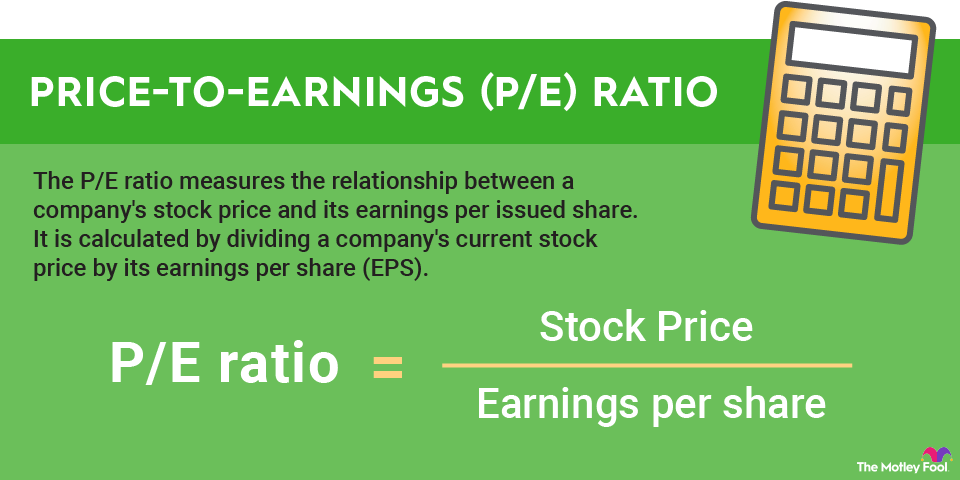
However, profit, or net income, is generally seen as the metric that best reflects the underlying strength and profitability of a business. It's also important because earnings -- another word for profits -- are typically used by investors to measure valuation, using the price-to-earnings ratio. This metric divides the price per share of a stock by its earnings per share, telling you how much profit each share of the stock entitles you to.
If a stock pays dividends, those dividends are paid out of profits so it's important for dividend investors to understand how the quarterly dividend compares to quarterly profits, which is known is the dividend payout ratio. If the dividend exceeds profits, it could be at risk of a cut.
How to analyze profits
Profit is one of the most useful figures for investors. There are different profit metrics that you can use to guide your investments.
First, the price-to-earnings ratio is often the best way to determine how cheap or expensive a stock is. You can also easily compare the P/E ratio of two companies with each other to see which one is cheaper. While that won't tell you everything about the two stocks, valuation is one key point you should consider.