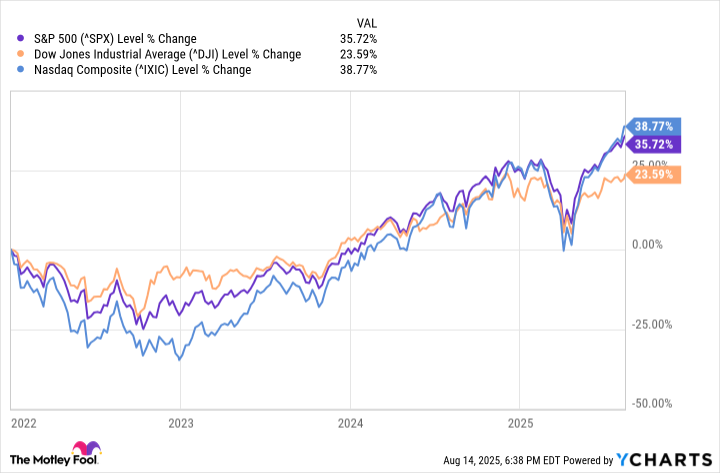
Loading paragraph...
Loading image...
Loading paragraph...
Loading image...
Loading paragraph...
Loading paragraph...
Loading image...
Loading paragraph...
Loading image...
Loading paragraph...
Loading paragraph...
Loading paragraph...
Loading paragraph...
Loading hub_pages...
Loading paragraph...
About the Author

Rachel Warren is a contributing Motley Fool stock market analyst covering pharmaceuticals, biotechnology, medical devices, information technology, and consumer goods. Prior to The Motley Fool, Rachel was a paralegal and legal administrator. She holds a bachelor’s degree in paralegal studies from Liberty University School of Law.
The Motley Fool has a disclosure policy.