Chipotle Mexican Grill (CMG -0.99%) has grown from a single Denver location into a fast-casual restaurant chain with more than 3,700 locations worldwide. Known for its customizable menu and emphasis on responsibly sourced ingredients, Chipotle has become one of the most successful restaurant growth stories of the past two decades.
Despite past setbacks, including food safety issues in 2015 and leadership changes, Chipotle has rebuilt its brand and continues expanding. Management plans to grow the restaurant base to roughly 7,000 locations over time, with additional international expansion.
How to buy Chipotle stock
- Open your brokerage app: Log in to your brokerage account where you handle your investments.
- Search for Chipotle: Enter the ticker "CMG" into the search bar to bring up the stock's trading page.
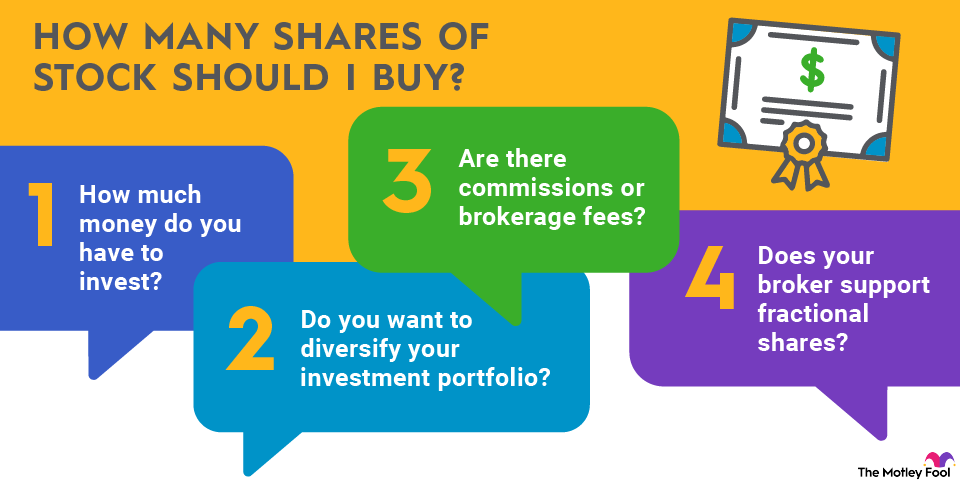
- Decide how many shares to buy: Consider your investment goals and how much of your portfolio you want to allocate to this stock.
- Select order type: Choose between a market order to buy at the current price or a limit order to specify the maximum price you're willing to pay.
- Submit your order: Confirm the details and submit your buy order.
- Review your purchase: Check your portfolio to ensure your order was filled as expected and adjust your investment strategy accordingly.
Should you invest in Chipotle?
As with any other investment, there's a short answer to why you might consider investing in this stock: It depends.
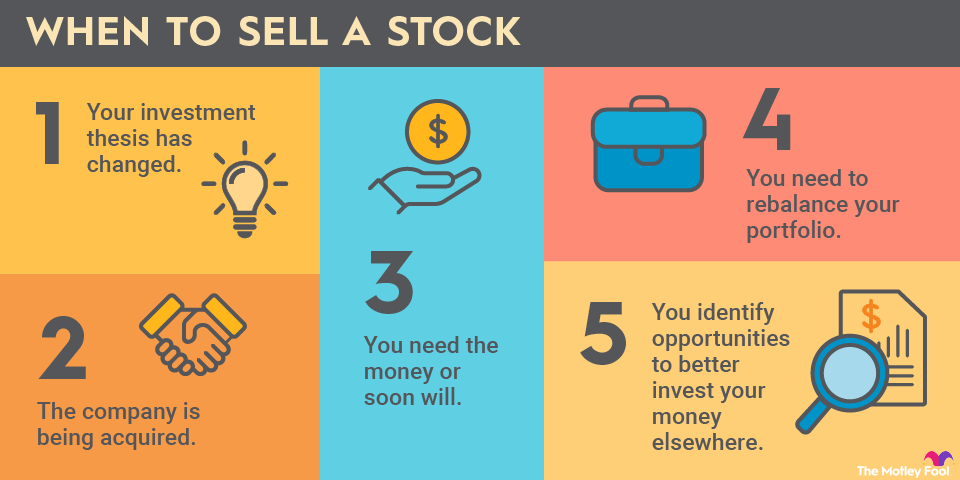
You may want to skip Chipotle stock if:
- You believe that competing restaurants will take a bite out of Chipotle’s market share.
- You're worried about the periodic food safety issues that have plagued the chain.
- You expect inflation will continue to increase food costs.
- You think Chipotle shares are trading at unrealistically high prices.
- Your portfolio already has enough restaurant stocks.
On the other hand, you may want to go ahead and buy Chipotle stock if:
- You believe the fast-casual dining space will continue to make inroads into the fast food industry's customer base.
- You believe Americans will continue to appreciate Chipotle's commitment to responsibly sourced ingredients.
- You think the recent decline in inflation will eventually trickle down to restaurants.
- You'd like to balance your portfolio with a restaurant stock.
- You think Chipotle stock is undervalued and will increase as the number of restaurants continues to expand.
Is Chipotle profitable?
Chipotle is quite profitable, and the restaurant industry is currently in a good place when it comes to profitability. According to the National Restaurant Association, the food service industry was expected to hit $1.5 trillion in sales in 2025, adding 200,000 jobs -- almost one of every 10 Americans in the civilian labor force.
Chipotle reported a net income of $386.6 million in the first quarter of 2025, a 7.6% increase from the first quarter of 2024, despite higher food, beverage, and packaging costs. Total revenue increased 6.4% to $2.9 billion. Operating margins at its restaurants rose to 16.7%, up from 16.3% in the first three months of last year.
The company also gained market share during the first quarter, capturing 6.9% of dining dollars in the fast-casual sector, according to CSIMarket, a private research organization. Since fast-casual restaurants attract more affluent diners, Chipotle is somewhat insulated from downturns that typically affect companies like PepsiCo (PEP -0.16%) and McDonald's (MCD -0.38%).

NYSE: CMG
Key Data Points
Does Chipotle pay a dividend?
Chipotle doesn't pay a dividend. Instead, the company puts its money into the business and into share repurchases, which tend to reward investors by increasing the price of a stock. The company announced in its most recent fourth quarter that it would increase its total repurchase authorization from $700 million to $1 billion.
How to invest in Chipotle through ETFs
For investors who don't want to put all their eggs into one basket, exchange-traded funds (ETFs) can be an excellent alternative to individual stock-picking.
Here are three ETFs either focused on or adjacent to the restaurant industry that offer exposure to Chipotle:
1. AdvisorShares Restaurant ETF
The AdvisorShares Restaurant ETF (EATZ -0.68%) was launched in 2021 as the only actively managed ETF dedicated to restaurant stocks. The fund held more than two dozen restaurant stocks in mid-2024, with Brinker International (EAT -5.42%) shares making up 6.95% of the fund. Chipotle, at 3.15%, ranked at No. 17 in mid-2025. The ETF is small, with assets under management of only $3.6 million. It has a reasonable ETF expense ratio for an actively managed fund of 0.6%.
2. Vanguard Consumer Discretionary ETF
Vanguard Consumer Discretionary ETF (VCR -0.41%): Considerably larger than the AdvisorShares Restaurant ETF, the fund focuses on consumer discretionary items. Chipotle shares made up 1.25% of its portfolio in mid-2025. The fund's largest holding was Amazon (AMZN +0.49%), which made up 22.5% of its $5.9 billion in holdings in mid-2025. The Vanguard ETF offers an expense ratio of 0.9%.
3. SPDR S&P 500 ETF Trust
The SPDR S&P 500 ETF Trust (SPY -0.03%) is the largest single holder of Chipotle stock, with almost $857 million in the restaurant chain's shares as of mid-2025. The venerable fund is enormously popular with "set-it-and-forget-it" investors who take a long-term approach to investing. It consists of shares listed in the S&P 500 and weighted by value. Created in 1993, the fund has more than $603 billion in assets and a low expense ratio of 0.0945%.
Will Chipotle stock split?
Companies typically announce stock splits when high share prices discourage investors from putting money into the company. Chipotle announced a 50-to-1 split in early June 2024 after shares topped $3,000, an unheard-of amount for a restaurant stock and the company decided it might be missing out on some truly discouraged investors. The Chipotle split was one of the biggest in the history of shares traded on the New York Stock Exchange. As of May 2025, Chipotle hasn't publicly discussed plans for another stock split.
The bottom line
Chipotle has frequently been a victim of its own high expectations. It gets outsized attention when food safety problems occur because of its focus on quality ingredients, and its popularity among white-collar urban and suburban office workers makes it an easy target for satire. The chain's financial performance, however, has been anything but a laughingstock.
The restaurant industry is notoriously susceptible to economic cycles, but Chipotle has been focused enough to weather most storms. Investors interested in adding restaurant stocks could certainly find worse stocks to buy and hold.
Related investing topics
FAQ
About the Author