Lockheed Martin (LMT -1.12%) is one of the world’s largest defense and aerospace companies, serving government and commercial customers. Formed in 1994 through the merger of Martin Marietta and Lockheed Corp., it has grown into a leading global defense contractor.
Its business is organized into four main segments:
- Aeronautics: Military aircraft such as the F-35, F-22, F-16, and C-130.
- Missiles and Fire Control: Missile defense and precision strike systems, including Patriot, THAAD, and Javelin.
- Rotary and Mission Systems: Helicopters, radar, and naval systems, including Sikorsky’s Black Hawk.
- Space: Satellites, missile systems, and space exploration programs like Orion.
Lockheed Martin benefits from steady government defense spending, which tends to be predictable and has increased in recent years amid global conflicts. That stability supports consistent revenue, profitability, and a dividend that has grown for more than two decades, making the stock appealing to income-focused and lower-risk investors.
Lockheed Martin was formed in 1994 through the merger of Martin Marietta and Lockheed Corp., creating one of the largest defense contractors in the world.
Investors can buy Lockheed Martin shares directly through a brokerage account or gain exposure indirectly through defense-focused ETFs. Before investing, it’s worth considering the company’s long-term growth outlook, profitability, and role in a diversified portfolio.
How to buy Lockheed Martin stock
Here's a step-by-step guide to adding the defense contractor to your portfolio.
- Open your brokerage app: Log in to your brokerage account where you handle your investments. If you don't have one yet, take a look at our favorite brokers and trading platforms to find the right one for you.
- Search for Lockheed Martin: Enter the ticker "LMT" into the search bar to bring up the stock's trading page.
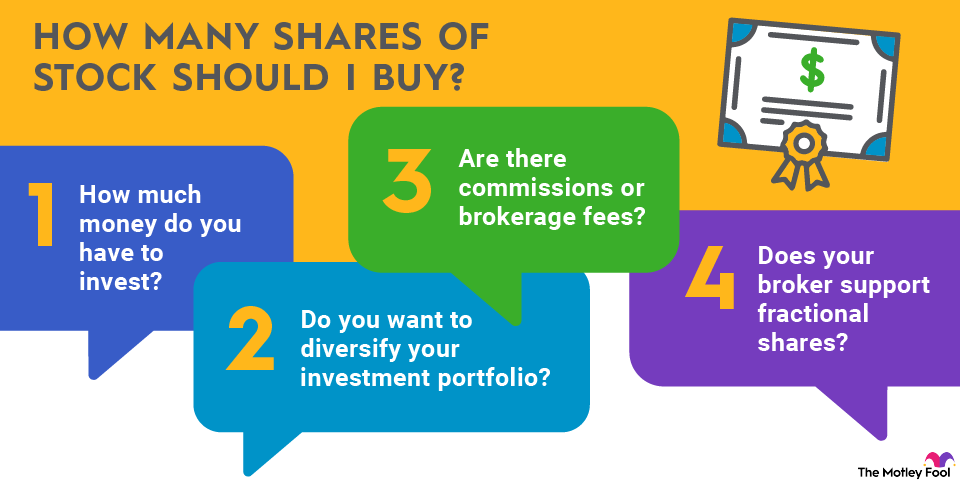
- Decide how many shares to buy: Consider your investment goals and how much of your portfolio you want to allocate to this stock.
- Select order type: Choose between a market order to buy at the current price or a limit order to specify the maximum price you're willing to pay.
- Submit your order: Confirm the details and submit your buy order.
- Review your purchase: Check your portfolio to ensure your order was filled as expected and adjust your investment strategy accordingly.
Should you invest in Lockheed Martin?
Doing your research is an important step to take before buying a stock. It will hopefully increase your conviction that the company can be a winning investment. However, your due diligence might lead you to discover something about the company that changes your opinion about buying shares. With those factors in mind, here are some reasons you might want to invest in Lockheed Martin:
- You want to add some exposure to the defense sector to make your portfolio more diversified.
- You believe Lockheed Martin can outperform the S&P 500 over the next three to five years.
- You want to own companies that pay an above-average and growing dividend (Lockheed Martin's dividend yield was almost 3% in mid-2025, compared to less than 1.5% for the S&P 500. It had also increased its payout for 22 straight years)
- You think the wars in Israel and Ukraine will cause increased defense spending in the coming years.
- You're a value investor and think Lockheed Martin's valuation (price-to-earnings (P/E) ratio of less than 20 times in mid-2025) was reasonable for a stable company (especially given the S&P 500's more than 24 times P/E ratio).
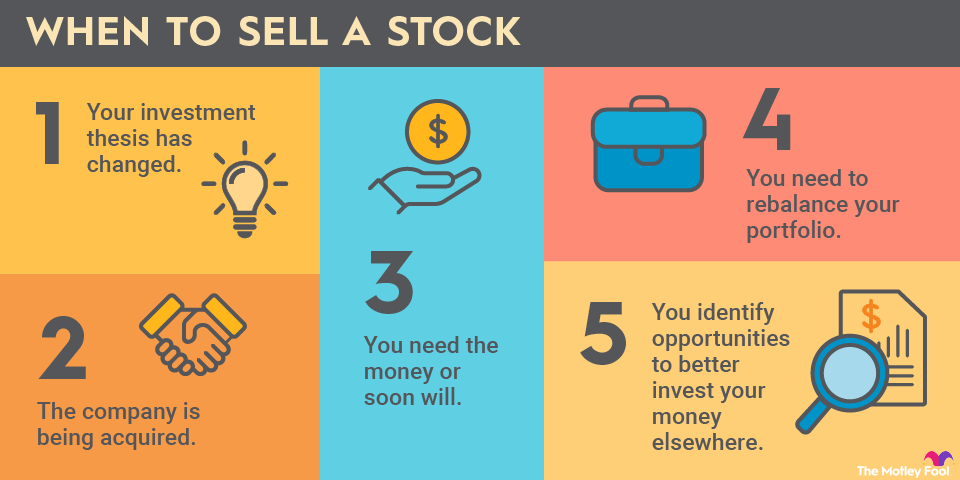
On the other hand, here are some reasons you might decide not to invest in Lockheed Martin:
- You don't want to invest in a company that profits from war.
- You don't need dividend income right now.
- You're not convinced Lockheed Martin can outperform the S&P 500 over the next few years.
- You already invest in defense stocks.
- You think governments spend too much money on defense and want to see that budget line cut.
- You're seeking a company with more growth potential than Lockheed Martin.

NYSE: LMT
Key Data Points
Is Lockheed Martin profitable?
Analyzing a company's profitability is an essential aspect of investment research. Rising profitability tends to be the most important factor propelling a stock's price over the long term.
Lockheed Martin is a very profitable company. In the first quarter of 2025, it recorded $18 billion in revenue (4% increase) and $1.7 billion in net earnings (13% increase).
The company expected 2025 to be a strong year. It forecast revenue between $73.75 billion and $74.75 billion and business segment operating profit between $8.1 billion and $8.2 billion.
Lockheed Martin's strong profitability allows it to generate lots of free cash flow. The company expected to produce $6.6 billion to $6.8 billion in free cash in 2025 after accounting for $1.9 billion in capital expenditures. It returns most of its free cash flow to investors through share repurchases and dividends.
Does Lockheed Martin pay a dividend?
Lockheed Martin makes quarterly dividend payments to its shareholders. As of mid-2025, the defense giant paid $3.30 per share each quarter ($13.20 annually). That gave it an almost 3% dividend yield at its share price at that time (around $460 a share).
The aerospace and security company has an excellent track record of increasing its dividend. In late 2024, it raised its quarterly payment by $0.15 per share, or about 5%, marking its 22nd consecutive year of dividend growth.
How to invest in Lockheed Martin through ETFs
Many investors prefer a more passive investing approach than directly owning stocks they must actively monitor. Buying an exchange-traded fund (ETF) can be a great way to gain some passive exposure to Lockheed Martin.
Exchange-Traded Fund (ETF)
Will Lockheed Martin stock split?
Lockheed Martin didn't have an upcoming stock split on the calendar as of mid-2025. The defense giant has had only one stock split in its history. In 1998, it completed a 2-for-1 stock split.
Lockheed Martin could split its stock again in the future. Shares have steadily gained value over the years and were around $460 per share in mid-2025. That was close to its all-time closing high of $606.16, which it reached in October 2024. If shares continue to gain altitude, Lockheed Martin could complete a stock split to make them more accessible to investors.
The bottom line
Lockheed Martin is a leading defense contractor. It benefits from relatively stable and growing government spending on defense, making it a fairly low-risk investment. However, it's not for everyone. You should make sure it's right for you before adding shares to your portfolio.
Related investing topics
FAQ
Investing in Lockheed Martin FAQ
About the Author