Lyft (LYFT -4.96%) is one of the most widely used ride-hailing platforms in North America. Since launching in 2012, it has helped reshape urban transportation by connecting riders and drivers through a mobile app. If you’re considering investing, here’s what to know about how to buy Lyft stock and whether it fits your portfolio.
How to buy Lyft stock
Here's a step-by-step guide on what you'll need to do to buy Lyft stock.
- Open your brokerage account: Log in to your brokerage account where you handle your investments. If you don't have one yet, take a look at our favorite brokers and trading platforms to find the right one for you.
- Search for Lyft: Enter the ticker "LYFT" into the search bar to bring up the stock's trading page.
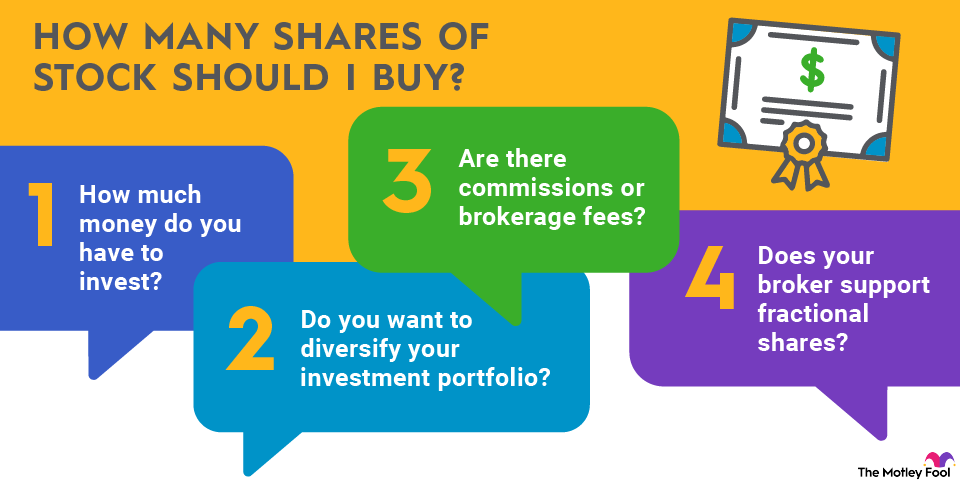
- Decide how many shares to buy: Consider your investment goals and how much of your portfolio you want to allocate to this stock.
- Select order type: Choose between a market order to buy at the current price or a limit order to specify the maximum price you're willing to pay.
- Submit your order: Confirm the details and submit your buy order.
- Review your purchase: Check your portfolio to ensure your order was filled as expected and adjust your investment strategy accordingly.
Should you invest in Lyft?
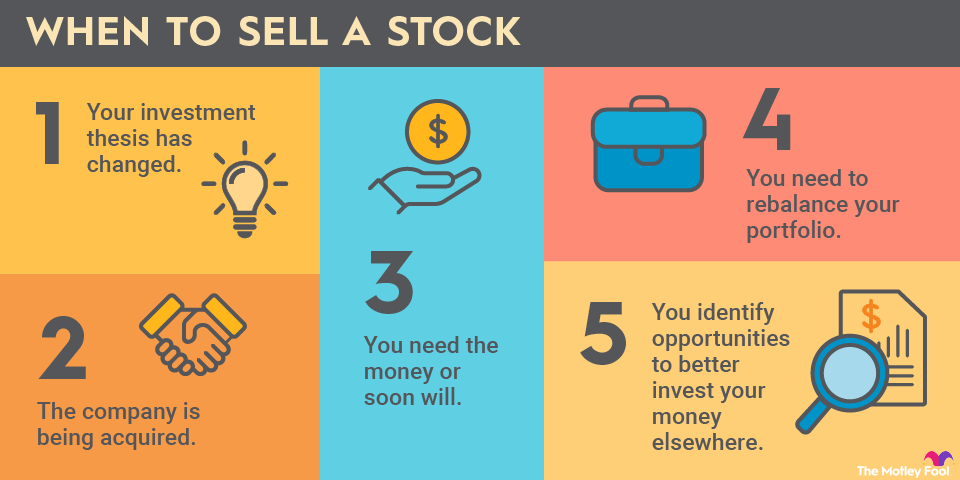
Whether Lyft is a good investment depends on your risk tolerance and outlook on transportation-as-a-service.
Lyft generates most of its revenue by matching riders with drivers and taking a commission. It also earns money from shared bikes and scooters, vehicle rentals for drivers, business services, and early-stage autonomous vehicle initiatives.
The company continues to grow. In Q2 2025, Lyft reported more than $4.5 billion in gross bookings across nearly 235 million rides, up 12% year over year. Active riders rose to 26.1 million, a 10% increase.
Strategically, Lyft has shifted from pure growth to better monetization. It’s expanded partnerships (including a deal with DoorDash, DASH -1.51%), launched features like Women+ Connect, and added in-app advertising to boost revenue per user. These moves suggest a more disciplined approach than in prior years.
Is Lyft profitable?
Lyft has become a profitable business. In the third quarter of 2023, it generated $1.6 billion in total revenue and produced $329.4 million in free cash flow (trailing 12-month free cash flow was $993 million.) In fiscal year 2024, Lyft's revenue totaled $5.8 billion, up from $4.4 billion the prior year.
While Lyft isn't GAAP profitable on a consistent basis (yet), mainly due to stock-based compensation and one-time items, it's worth noting that the company has about $1.8 billion in cash and short-term investments on the balance sheet, so it has considerable financial flexibility to grow.
Exchange-Traded Fund (ETF)
Will Lyft stock split?
As of September 2025, Lyft had a stock price of about $22 per share, which makes a stock split rather unlikely. Typically, companies with stock prices of several hundred dollars per share are the most likely to split. If things go well, Lyft could certainly get there eventually, but that's a big "if," and investors shouldn't expect a stock split anytime soon.
The bottom line
If you're looking to invest in the future of transportation, Lyft can be an exciting way to do it. Make sure you do your research before you decide to commit any of your money, and be prepared to experience some ups and downs along the way.
Related investing topics
FAQ
Investing in Lyft FAQ
About the Author