Northrop Grumman (NOC +2.91%) is a long-established leader in aerospace and defense, known for its advanced military systems, space technology, and deep ties to U.S. government programs. Founded in 1939, the company has played a key role in everything from stealth aircraft to space exploration.
Today, Northrop Grumman operates across defense, space, cybersecurity, and unmanned systems, positioning it to benefit from both traditional defense spending and emerging priorities like space security and digital warfare. Despite intense competition, its scale, technical expertise, and steady government demand have helped it remain a resilient player -- and a stock often considered by investors seeking long-term exposure to the defense and aerospace sectors.
How to buy Northrop Grumman stock
- Open your brokerage account: Log in to your brokerage account where you handle your investments. If you don't have one yet, take a look at our favorite brokers and trading platforms to find the right one for you.
- Search for Northrop Grumman: Enter the ticker "NOC" into the search bar to bring up the stock's trading page.
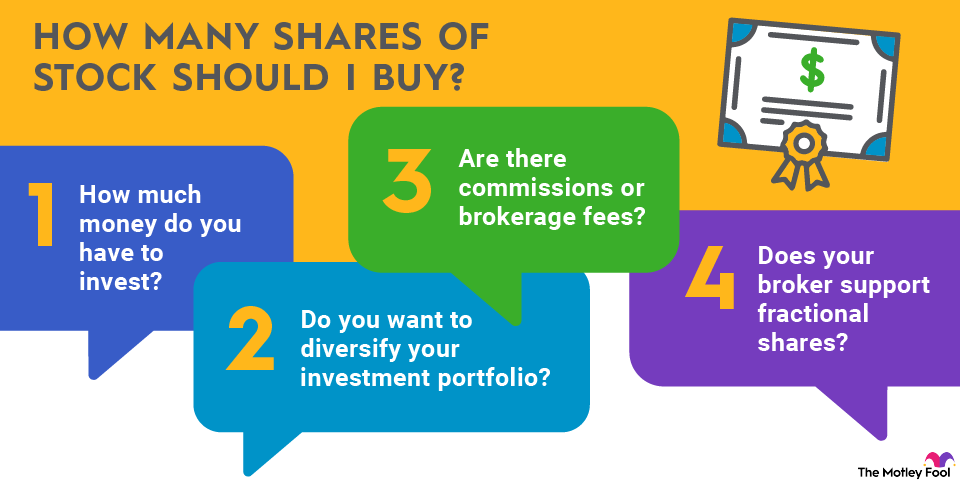
- Decide how many shares to buy: Consider your investment goals and how much of your portfolio you want to allocate to this stock.
- Select order type: Choose between a market order to buy at the current price or a limit order to specify the maximum price you're willing to pay.
- Submit your order: Confirm the details and submit your buy order.
- Review your purchase: Check your portfolio to ensure your order was filled as expected and adjust your investment strategy accordingly.
Is Northrop Grumman profitable?
Northrop Grumman's financial track record is a blend of stability and strategic growth. In fiscal year 2024, the company reported robust revenues of $41 billion, with net income of $4.2 billion. Its organic sales rose 4% year over year.
The defense industry's profitability is often tied to long-term contracts and the cyclical nature of government spending. Northrop Grumman's operational cash flow stood at $4.4 billion in 2024, indicating solid operational efficiency. The company's significant investments in research and development (R&D) and technological advancements are essential for staying at the forefront of the defense and aerospace sectors.

NYSE: NOC
Key Data Points
Does Northrop Grumman pay a dividend?
Yes, Northrop Grumman makes quarterly dividend payments. The company has a history of increasing its dividends, reflecting its financial health and commitment to shareholder value.
The dividend yield has been competitive, ranging between 1.2% and 2% in the long run. Northrop Grumman's balance of dividend payouts and reinvestment into growth initiatives offers a compelling mix for investors seeking both income and capital growth potential.
How to invest in Northrop Grumman through ETFs
Northrop Grumman is a longstanding component of many market indexes, such as the S&P 500 (^GSPC -0.84%) and the Russell 1000. As such, many exchange-traded funds and mutual funds that track these indexes will automatically own a significant amount of Northrop Grumman stock.
Here are a few ETFs with prominent ownership of Northrup Grumman in October 2025, measured by dollar amounts or the proportion of the fund's assets being invested in this specific ticker.
EXCHANGE-TRADED FUND | NUMBER OF NORTHROP GRUMMAN SHARES UNDER MANAGEMENT | ETF'S NET ASSET VALUE | % ALLOCATION OF NORTHROP GRUMMAN STOCK |
|---|---|---|---|
SPDR S&P 500 ETF TRUST (NYSEMKT:SPY) | 1.59 million | $672.7 billion | 0.15% |
iShares Core S&P 500 ETF (NYSEMKT:IVV) | 1.64 million | $701.4 billion | 0.14% |
iShares US Aerospace and Defense ETF (NYSEMKT:ITA) | 875,910 | $11.8 billion | 4.5% |
Invesco Aerospace & Defense ETF (NYSEMKT:PPA) | 592,640 | $6.7 billion | 5.37% |
Will Northrop Grumman's stock split?
Northrop Grumman has a long history of stock splits but only a couple of actual splits executed across that lengthy period. The defense contractor's shares split at a 3-for-1 ratio in 1984, followed by a 2-for-1 split in 2004.
In March 2011, there was an unusual split of 10,000-for-9,035 as part of the Huntington Ingalls Industries (HII +2.22%) spinoff when Northrop Grumman cut loose its shipbuilding operations as a separate company. Northrop Grumman shareholders at the time received one share of the smaller shipbuilding company for each six shares they owned in the parent company.
Many companies start considering stock splits when their stock prices run into triple-digit territory. Northrop Grumman's stock crossed the $100 threshold in 2013 and hasn't looked back, so another split might be in the cards. Keep an eye on Northrop Grumman for any split announcements, since this could widen its investor appeal.
The bottom line
Northrop Grumman's investment potential is shaped by its prominent position in the defense and aerospace sectors, its innovative edge, and its financial resilience. Despite facing stiff competition from robust industry peers like Lockheed Martin and Raytheon, Northrop Grumman's consistent involvement in key defense contracts and advancements in areas such as space exploration and cybersecurity make it a potentially strong long-term investment.
While the volatility and sharply competitive nature of the defense sector might deter some investors, others may see Northrop Grumman's adaptability and consistent performance as a testament to its enduring strength.
Northrop Grumman may not fit every portfolio, but for those looking for long-term growth in a competitive yet lucrative defense and aerospace market, Northrop Grumman stands out as a compelling option. At the very least, any investor in the defense sector needs to keep an eye on this sector giant.
Related investing topics
FAQs
Investing in Northrop Grumman FAQs
About the Author