Self-driving cars aren’t common on U.S. roads yet, but progress has accelerated, and investors are eyeing companies like Nuro.

Founded in 2016, Nuro first focused on autonomous food-delivery vehicles. In 2024, it shifted its strategy to licensing its self-driving technology to automakers and other partners. Its platform, Nuro Driver, provides in-vehicle software and hardware that enables Level 2 through Level 4 autonomous capabilities.
Autonomy levels span from Level 0 (driver fully in control) to Level 5 (no human input). Level 4 systems, per the NHTSA, can handle all driving tasks within defined areas without human involvement.
Nuro leans heavily on artificial intelligence (AI) -- a major draw for AI-focused investors looking beyond megacaps like Nvidia or CrowdStrike. The company is led by former Google engineers Jiajun Zhu (CEO) and Dave Ferguson (president). It reached a notable milestone in 2020 when regulators granted an exemption for its R2 vehicle, the first approved self-driving vehicle of its kind.
Anyone considering Nuro stock should understand how to buy shares, its potential IPO timeline, and alternative ways to invest in the autonomous-vehicle or AI sectors.
IPO
When will Nuro IPO?
For people who are patient and comfortable with speculative investments that entail higher degrees of risk -- but offer the chance for higher rewards -- buying IPO stocks presents unique investment opportunities. And while several companies are planning to go public in 2025, it's highly unlikely that Nuro will find itself on the IPO calendar anytime soon.
Is Nuro profitable?
Because Nuro is a privately held company, it isn't subject to the same financial reporting requirements as publicly held companies, so investors don't have the luxury of combing through Nuro's quarterly filings and 10-Ks. As a result, insight into the company's financial circumstances is rather scant, including whether the company is generating a profit.
Alternatives to Nuro
Although Nuro stock may not be an option for ordinary retail investors, there are comparable companies that they may find appealing.
1. Nvidia
Although picking up shares of Nuro isn't a possibility for most investors, there's still the opportunity to gain indirect exposure to the self-driving car stock with Nvidia. The semiconductor powerhouse has developed a platform specifically designed for automotive applications: Nvidia Drive AGX. A key hardware component of Drive AGX is DRIVE Thor, a chip that incorporates sophisticated central processing units (CPUs) and graphic processing units (GPUs) to provide autonomous driving. In September 2024, Nuro announced its autonomy platform Nuro Driver, built with "Nvidia Drive Thor with Arm Neoverse™ technology – that combines automotive-grade hardware with AI-powered self-driving software."
In addition to Nuro, Nvidia provides its automotive hardware to a variety of other customers, including BYD (BYDDY -1.90%) and XPeng (XPEV +4.37%). During its fourth quarter 2025 earnings presentation, Nvidia noted that self-driving platform products were the primary factor behind the company achieving a 69% year-over-year revenue increase in its automotive business for fiscal 2025.
2. Tesla
There are plenty of car companies striving to develop sophisticated autonomous driving functionality, but Tesla (TSLA +0.00%) is likely the name that most people on the street will associate with self-driving cars, and for good reason. Tesla has made tremendous strides in achieving self-driving functionality.
For vehicles built after September 2014, drivers can use Tesla's advanced driver assistance system, Autopilot. In short, Tesla's driver assistance system requires almost zero driver input to match and navigate road and traffic conditions.
Besides vehicles where people sit in the driver's seats, Tesla plans to produce driverless vehicles, called Robotaxis. Tesla plans to begin volume production of its Robotaxi in 2026.
3. Uber
For investors who remember Nuro's original ambitions of facilitating autonomous food delivery, Uber is a worthy consideration. While Uber originally made its name from ridesharing, its delivery business -- which includes food, alcohol, and other items -- has grown considerably recently in terms of profitability. Uber's delivery segment adjusted earnings before interest, taxes, depreciation, and amortization (EBITDA) in 2024 rose to $1.8 billion, a 44% year-over-year increase.
Amplifying the appeal of Uber stock for Nuro-focused investors, a portion of Uber's delivery revenue directly stems from Nuro itself. In September 2022, Uber and Nuro agreed to a 10-year partnership, with Uber planning to use Nuro's self-driving vehicles to make food deliveries in Houston and Mountain View, Calif. Uber also has partnerships with other self-driving companies like WeRide (WRD -1.56%) and Pony (PONY +2.25%).
How to buy stocks similar to Nuro
Accredited investors may be able to buy shares of Nuro before the company launches an IPO. People who fit the criteria of an accredited investor may be able to buy Nuro stock on platforms such as Forge Global (FRGE +0.02%), which allows them to invest in privately held companies.
If you don't qualify as an accredited investor, you're not completely out of luck. There are publicly traded companies with businesses similar to Nuro. Just follow these steps.
- Open your brokerage app: Log in to your brokerage account where you handle your investments.
- Search for the stock: Enter the ticker or company name into the search bar to bring up the stock's trading page.
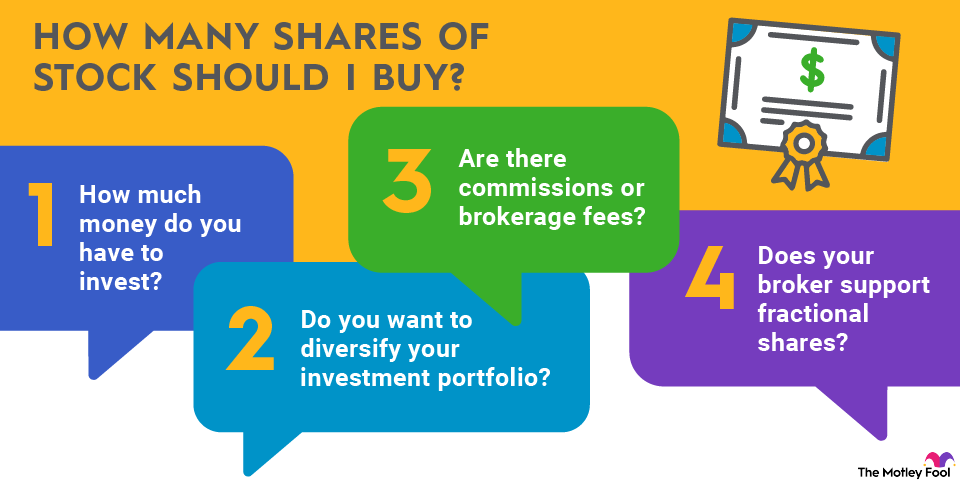
- Decide how many shares to buy: Consider your investment goals and how much of your portfolio you want to allocate to this stock.
- Select order type: Choose between a market order to buy at the current price or a limit order to specify the maximum price you're willing to pay.
- Submit your order: Confirm the details and submit your buy order.
- Review your purchase: Check your portfolio to ensure your order was filled as expected and adjust your investment strategy accordingly.
Should you invest in Nuro?
With its dedication to licensing its autonomous driving technology, investors may find Nuro stock enticing. They're out of luck since the company hasn't held an IPO. If the company proceeds with an IPO, however, it will have to submit regulatory filings, providing investors with much greater insight into the company's financials and helping them to make a more informed decision about whether the stock is a smart investment for them.
Accredited investors may presently be able to gain a position in Nuro but should only proceed if they're comfortable with a more speculative investment.
The bottom line
Nuro may not be delivering food to your front door in the near future, but its partnership with Uber is providing service to limited customers in California and Texas, suggesting the company is farther down the road to growing its operations than some of its peers.
But without an IPO on the horizon, this privately held company isn't an investment opportunity that's widely available. Still, investors can gain indirect exposure to Nuro through investments in Nvidia and Uber, as well as various ETFs that focus on autonomous mobility companies and semiconductor companies.
Related investing topics
FAQ
Investing in Nuro FAQ
About the Author