Cybersecurity is a major technology trend, and Palo Alto Networks (PANW -5.23%) is one of the industry’s leading players. Rather than focusing on a single niche, the company offers a broad suite of cybersecurity solutions spanning network, cloud, and endpoint security.
Founded in 2005, Palo Alto Networks first gained traction with its enterprise firewall technology and has since expanded well beyond hardware. The company has been repeatedly recognized by Gartner as a leader across multiple cybersecurity categories, including firewall, SASE, SSE, and SD-WAN, making it the only vendor to lead all three most recent Magic Quadrants.
Under CEO Nikesh Arora, who joined in 2018, Palo Alto Networks has accelerated its expansion through acquisitions, positioning itself as an all-in-one cybersecurity provider. With that context in mind, here’s how to buy Palo Alto Networks stock and what to consider before investing.
How to buy Palo Alto Networks stock
To buy shares of Palo Alto Networks, you need a brokerage account. If you don't have one yet, take a look at our favorite brokers and trading platforms to find the right one for you.
- Open your brokerage app: Log in to your brokerage account where you handle your investments.
- Fund your account: Transfer money so you’re ready to invest.
- Search for Palo Alto Networks: Enter the ticker symbol PANW into the search bar to bring up the trading page.
- Decide how many shares to buy: Consider your investment goals and how much of your portfolio you want to allocate to Palo Alto Networks.
- Select order type: Choose between a market order to buy at the current price or a limit order to specify the maximum price you're willing to pay.
- Submit your order: Confirm the details and submit your buy order.
- Review your purchase: Check your portfolio to ensure your order was filled as expected. And that's it! Quick and easy.
Should you invest in Palo Alto Networks?
Palo Alto Networks benefits from powerful industry tailwinds. Cybersecurity has become essential, not optional, and many forecasts call for double-digit annual spending growth through the end of the decade. As a recognized leader across multiple cybersecurity categories, the company is well positioned to capture that growth, and its revenue rose 15% year over year in fiscal Q3 2025.
Emerging trends could further support long-term expansion. Generative AI is being rapidly adopted by businesses, but many AI projects remain poorly secured, creating new demand for advanced cybersecurity solutions. Palo Alto Networks is aiming to be a leader in securing AI-driven systems.
The stock also tends to be less volatile than the broader market, with a beta of about 0.94. Still, there are risks to consider. Cybersecurity is complex, making it difficult for many investors to evaluate competitive advantages, and Palo Alto Networks relies heavily on acquisitions, which can increase integration risk and dilute shareholders. Since early 2021, the company’s share count has risen more than 20%.
Is Palo Alto Networks profitable?
Palo Alto Networks ends its fiscal year in July, so its earnings calendar differs from most companies.
Historically, Palo Alto Networks recorded net losses. But in fiscal 2023, the company recorded its first annual net profit, according to generally accepted accounting principles (GAAP). Then, in fiscal 2024, its profits took another big step forward, with the company earning almost $2.6 billion in net income.
Palo Alto Networks has the potential to remain profitable. Revenue for the company's subscription and support business segment is growing fast, lifting its gross profit margin, a trend that could continue.
Also, Palo Alto Networks' management recently reined in operating expenses as part of a multiyear plan. In its fiscal 2023, the company's revenue grew 25% year over year, while total operating expenses were up less than 16%. The trend continued in fiscal 2024, with revenue up 16% and operating expenses only up 15%.
This is leading to a higher operating margin, explaining its profitability. And management believes it can become even more profitable in future years.
Does Palo Alto Networks pay a dividend?
Don't expect dividend payments from Palo Alto Networks anytime soon. The company has never paid one before, and its financial filing for its fiscal third quarter of 2024 says, "We do not intend to pay dividends for the foreseeable future."
How to invest in Palo Alto Networks through ETFs
For investors who love the idea of investing in the cybersecurity trend but don't want to pick stocks, exchange-traded funds (ETFs) could be a good option. There are many cybersecurity-focused ETFs, and many have outsize exposure to Palo Alto Networks.
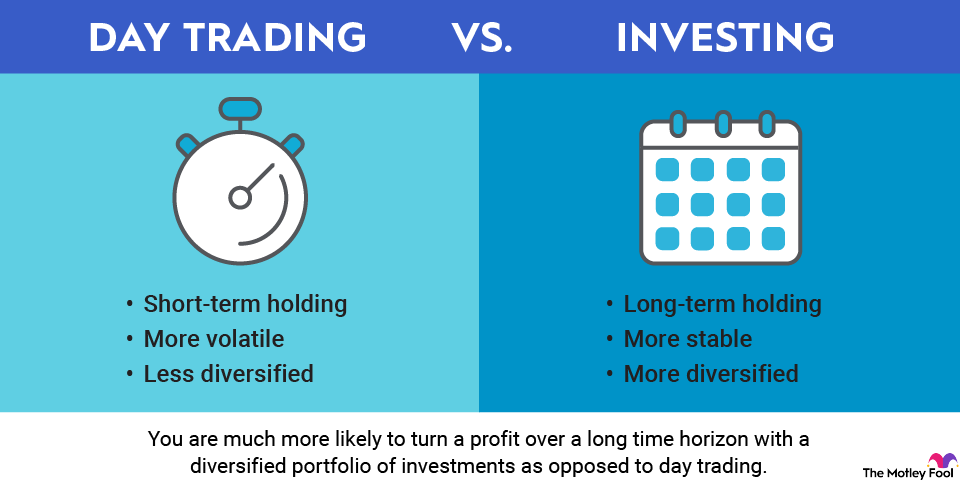
For example, the First Trust Nasdaq Cybersecurity ETF (CIBR -3.59%) holds 34 stock positions as of August 2025. Palo Alto Networks stock makes up more than 7% of the total value for this basket. This gives investors significant exposure to Palo Alto Networks stock while providing exposure to the rest of the space via 33 other stocks, reducing risk if something were to go wrong for Palo Alto Networks.
Investors might also consider the Global X Cybersecurity ETF (BUG -5.09%) for a cybersecurity ETF with a slightly lower expense ratio. Its expense ratio is just 0.51% compared to 0.59% for the First Trust Nasdaq Cybersecurity ETF.
The Global X Cybersecurity ETF is a little more concentrated, with only 26 stock positions as of August 2025. But Palo Alto Networks still figures prominently in the portfolio, with an allocation of more than 5%.
Will Palo Alto Networks stock split?
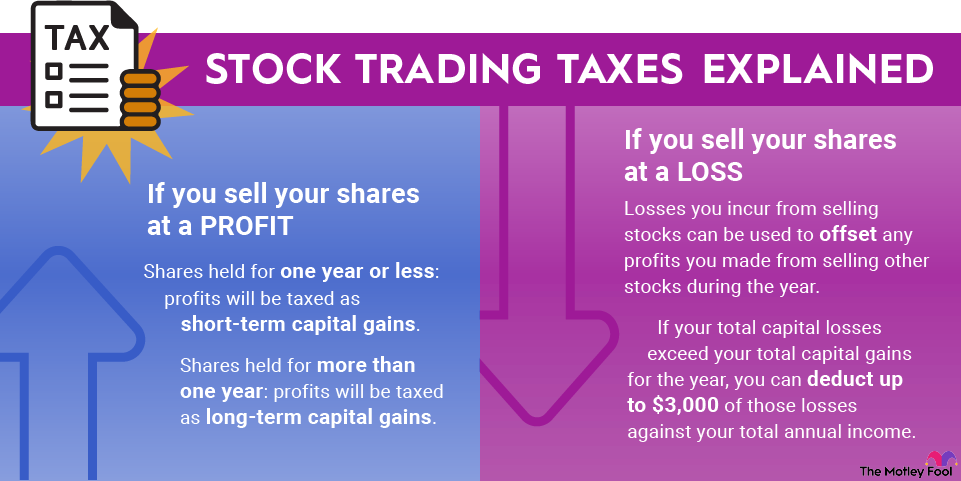
In September 2022, Palo Alto Networks had its first stock split. It was a 3-for-1 split, meaning investors received two additional shares for each share they already owned. In December 2024, it had another stock split, this time a 2-for-1.
In an FAQ about the second stock split, the company stated the reason for the split was to make is easier for employees to acquire more whole shares through equity awards and more easily participate in the employee stock purchase plan, as well as to make the stock more accessible to a broader base of investors
It can be hard to predict upcoming stock splits. But considering management did a 3-for-1 split at around $500 per share (pre-split) and a 2-for-1 split at around $400 per share (pre-split), it seems Palo Alto Networks wants to keep its stock price below $200 per share. If its stock price were to climb above $400 in the future, it's possible the company would do another split.
The bottom line
Cybersecurity is a fertile hunting ground for good investments because of how fast the space is growing. And Palo Alto Networks is a good company to consider, given its leadership position, the breadth of its offerings, and its history of success.
With how quickly things change in the cybersecurity world, the company must keep up with the innovations of cybercriminals. But it certainly has plenty of opportunities to create long-term shareholder value.
Related investing topics
FAQ
Investing in Palo Alto Networks FAQ
About the Author