Showrunner is a generative artificial intelligence platform that lets users create full animated TV episodes using simple text prompts. It was developed by Fable, an AI startup founded in 2018 that previously focused on virtual reality storytelling.
Interest in the platform surged after Fable’s proprietary AI model, SHOW-1, went viral in 2024 for generating unauthorized South Park-style episodes, showcasing the technology’s ability to produce episodic animated content from prompts. In 2025, Fable received backing from Amazon’s Alexa Fund and officially launched Showrunner following a closed beta with 10,000 users.
Showrunner allows users to create, customize, and share AI-generated episode, handling everything from scriptwriting and animation to voice acting and editing. Fable has positioned Showrunner as a potential “Netflix of AI,” though competing with platforms like Netflix remains a long-term ambition. If you’re interested in how to invest in Showrunner or a potential initial public offering (IPO), here’s what to know.

Is Showrunner publicly traded?
Showrunner is not publicly traded. The AI-powered streaming platform is a product of Fable Studio, a private company backed by investors including Amazon.
When will Showrunner IPO?
There is no public information about a future Showrunner IPO. Any future public listing would likely entail Fable’s IPO, and no such announcement has been made at this time.
Alternatives to Showrunner stock
If you’re interested in gaining exposure to the same general industry that Showrunner operates in, there are some adjacent companies to consider that are publicly traded and could be intriguing to long-term investors.
Netflix
Netflix (NFLX -0.04%) maintains its dominance in the world of streaming with a vast library of popular original content, a strategy that remains integral to its success. Despite a crowded streaming landscape, Netflix remains the most-watched subscription service in the U.S. and is expected to lead the market in the coming years.
A successful crackdown on password sharing has contributed to revenue growth and stronger subscriber engagement. Its newer ad-supported tier is also seeing impressive adoption in its addressable markets that continue to drive overall revenue and profitability gains.
Netflix uses AI to create personalized content recommendations that suggest to viewers what to watch next, to auto-generate thumbnails, and to optimize streaming quality. Netflix is also leveraging generative AI in production to cut costs and accelerate visual effects, and is developing AI for personalized advertising to better integrate products with its content.
Amazon
Amazon (AMZN +0.49%) started as an online bookseller but has expanded into a global technology giant that provides a vast range of products, entertainment, and tech services to millions of customers worldwide. The company continues to be a powerhouse of profits and cash flow. Amazon leverages AI across its different businesses, from its core retail operations and Amazon Web Services (AWS) to its logistics, entertainment, and advertising arms.
When it comes to its streaming platform, Amazon is integrating AI into its media products to achieve improvements in viewing quality, personalized content, and new advertising tools. The company is also investing in various AI-native content creation platforms, including Showrunner.
Adobe
Adobe (ADBE -2.62%) controls a vast ecosystem of creative and document management applications, with most of its revenue coming from its sticky, recurring subscription model. Rather than building an entirely new platform like Showrunner, Adobe is embedding its generative AI model, Firefly, into its existing professional tools, including Photoshop, Premiere Pro, and Acrobat.
This allows creative professionals to enhance their workflows without abandoning their existing software. Firefly goes beyond text-to-image, with features for generating video, audio, and vector graphics from text prompts. Adobe’s growing list of features also allows users to generate cinematic video footage, b-roll, and special effects from text or image prompts.
How to invest in similar stocks to Showrunner
If you’re going to buy shares of any publicly traded stock, here’s what you need to know.
- Open your brokerage account: Log in to your brokerage account where you handle your investments. If you don't have one yet, take a look at our favorite brokers and trading platforms to find the right one for you.
- Fund your account: Transfer money so you’re ready to invest.
- Search for the stock: Enter the ticker or company name into the search bar to bring up the stock's trading page.
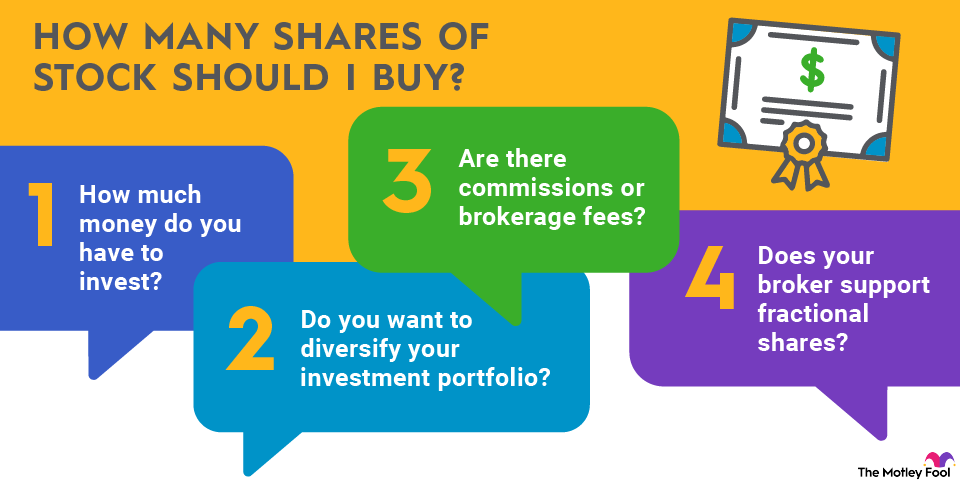
- Decide how many shares to buy: Consider your investment goals and how much of your portfolio you want to allocate to this stock.
- Select order type: Choose between a market order to buy at the current price or a limit order to specify the maximum price you're willing to pay.
- Submit your order: Confirm the details and submit your buy order.
- Review your purchase: Check your portfolio to ensure your order was filled as expected and adjust your investment strategy accordingly.
Is Showrunner profitable?
As a newly launched platform, Showrunner AI is not currently profitable, but it is strategically positioned for generating future revenue. The platform was in the very early stages of monetization in late 2025 and recently secured investment from Amazon's Alexa Fund to build out its service.
Showrunner is free to use currently. However, management eventually plans to charge monthly subscription fees between $10 and $40 for credits that allow users to generate their own AI-created content. These credits will be used to generate new scenes and episodes.
A key part of Showrunner’s business model will entail a revenue-sharing system designed to incentivize creators. Creators of original shows will receive a portion of the revenue when other users spend credits to build upon or remix their content. This would allow creators to earn money if their AI-generated shows go viral and for the platform to profit from user-driven engagement.
Showrunner is also reportedly negotiating licensing agreements with major Hollywood studios, such as Disney (DIS -1.83%). Licensing deals would allow the platform to feature popular intellectual property like famous Disney characters, which users could then pay to interact with and create content based on.
The company also produces its own content in-house to seed the platform, and is likely to continue doing so. These original shows would serve as examples and starting points for users to remix and build upon, while generating additional revenue for Showrunner’s business.
ETFs with exposure to AI
There are numerous exchange-traded funds (ETFs) that hold major names in the modern world of AI, media, and streaming, including:
The bottom line
Investing in the AI platform Showrunner is currently restricted to accredited investors, venture capital firms and institutional investors that provide funding directly to Fable, which remains a private company.
Retail investors cannot buy stock in Fable or the Showrunner platform. That said, there are plenty of publicly traded names to consider if you want to capitalize on the future of media, streaming, and the AI revolution.
Related investing topics
FAQ
About the Author