Target (TGT +3.62%) is one of the largest big-box retailers in the U.S., selling everything from groceries and clothing to home goods and electronics.
The company traces its roots to Minneapolis in 1902 and opened its first Target discount store in 1962, built around the idea of offering style-forward products at affordable prices. Over the decades, Target expanded rapidly through new stores, acquisitions, and branding, eventually becoming the company’s core business.
Target went public in 1967 and rebranded as Target Corp. in 2000 after launching its e-commerce platform. Today, it operates hundreds of stores nationwide and is a major force in both physical and online retail.
Here’s what to know if you’re considering investing in Target stock.
How to buy Target stock
Because Target is a publicly traded enterprise, you can buy shares of the company through your brokerage account in just minutes.
- Open your brokerage app: Log in to your brokerage account where you handle your investments. If you don't have one yet, take a look at our favorite brokers and trading platforms to find the right one for you.
- Search for Target: Enter the ticker "TGT" into the search bar to bring up the stock's trading page.
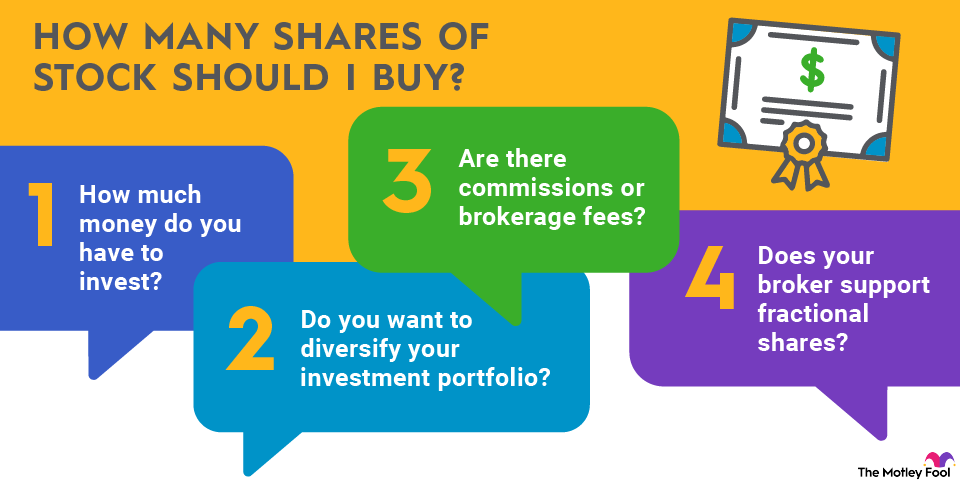
- Decide how many shares to buy: Consider your investment goals and how much of your portfolio you want to allocate to this stock.
- Select order type: Choose between a market order to buy at the current price or a limit order to specify the maximum price you're willing to pay.
- Submit your order: Confirm the details and submit your buy order.
- Review your purchase: Check your portfolio to ensure your order was filled as expected and adjust your investment strategy accordingly.
Should you invest in Target?
Target remains one of the largest retailers in the U.S., but recent years have been challenging. After strong pandemic-era gains, the company has faced slowing sales, margin pressure, and a pullback in consumer spending, particularly on discretionary items.
Inflation and increased competition from Amazon, Walmart, and Costco have weighed on results. In fiscal 2025, comparable sales fell 2.7% and customer traffic declined across both stores and digital channels.
In response, Target is cutting costs, investing in store improvements, strengthening in-stock levels, and expanding its food business to drive traffic. These efforts could support a turnaround, but growth remains uncertain.
For investors, Target may appeal more to value-oriented buyers looking for a recovery story than to those seeking strong near-term growth.

NYSE: TGT
Key Data Points
Is Target profitable?
Although growth has slowed, Target is still very profitable. In November of 2025, the company brought in net earnings of $2.6 billion, accounting for a loss of 11%.
Does Target pay a dividend?
Target pays a regular quarterly dividend. It has a long history of paying dividends, having issued 55 years of consecutive dividends since its 1967 initial public offering (IPO). Its current quarterly dividend is $1.14 per common share.
Exchange-Traded Fund (ETF)
Will Target stock split?
Target stock has split several times in the company's history. These splits include:
- A 2-for-1 split on Dec. 1, 1981.
- A 2-for-1 split on July 25, 1983.
- A 3-for-1 split on July 18, 1996.
- A 2-for-1 split on May 1, 1998.
- A 2-for-1 split on July 20, 2000.
The bottom line
Target's position as a top retailer nationwide, its strong underlying profitability, and its robust cash position could all tempt some investors to take a second look at the stock. The company also pays regular dividends, and it has an enviable history of maintaining and raising its dividend in a wide range of market environments.
Slowing growth, increased competition, and challenging consumer spending patterns are dragging on the balance sheet. For investors willing to stay along for the ride during the transition period Target is going through, the ability to receive steady dividend income and invest in a mainstay retailer may make the stock worth a second look.
Related investing topics
FAQ
About the Author