Rolling over a 401(k)
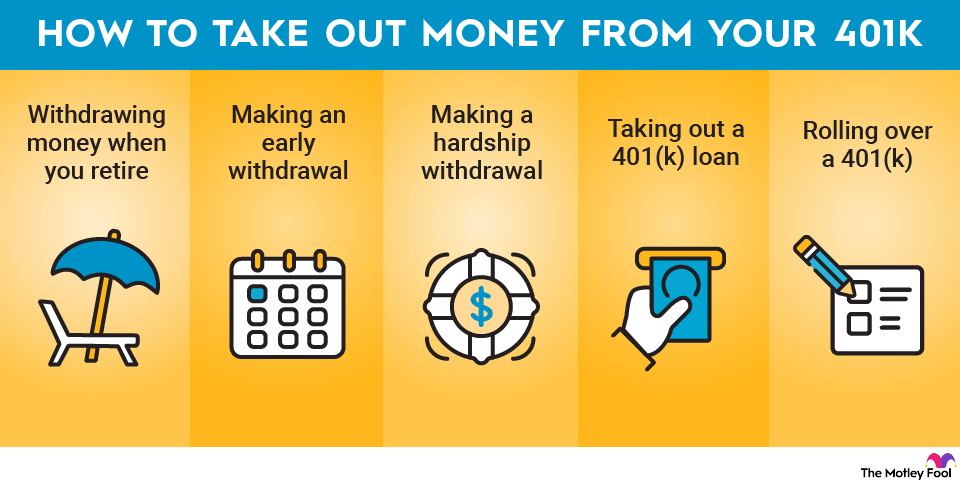
If you leave your job or your plan terminates, you can roll over the 401(k) funds to another tax-advantaged retirement account. A direct rollover means the money moves from your 401(k) into your new tax-advantaged account and is usually recommended.
You can also do an indirect rollover, wherein you receive the funds directly and deposit them into your new account within 60 days to avoid treatment as a distribution. Your plan administrator will be required to withhold 20% of the amount you're rolling over for income taxes if you opt for an indirect rollover.
When you leave a job
When you leave a job, you generally have the option to:
- Leave your 401(k) with your current employer.
- Roll over the funds to an IRA.
- Roll over the funds to your new employer's 401(k).
If you choose any of those options, you will not owe taxes or a 10% penalty. You can also take this money as a distribution, but doing so will trigger early withdrawal penalties if you are younger than 59 1/2 (unless the Rule of 55 applies).
Roll over to an IRA
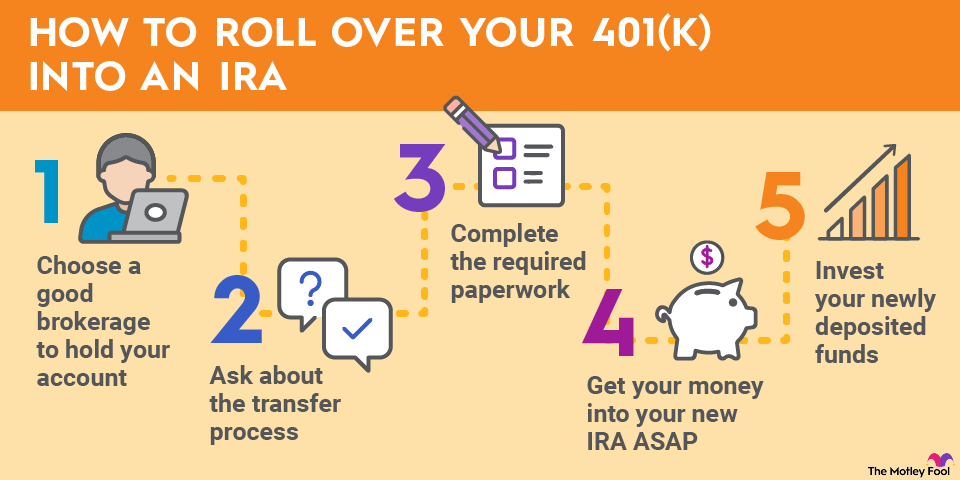
Rolling a 401(k) over into an individual retirement account (IRA) is often a good option when you leave your job or your plan terminates. You can open an IRA with any brokerage and generally have a wider choice of investment options. You may have the option of a direct or indirect rollover.
You must roll over a traditional 401(k) into a traditional IRA to avoid owing taxes. If you wish to do a Roth conversion instead, you'll need to pay taxes on the amount you convert.
Related retirement topics