If you miss the window, the IRS treats the full amount as a taxable distribution. You'll owe ordinary income tax on it, plus the 10% early withdrawal penalty if you're under 59½. Once the 60 days have passed, you can't undo it by depositing the money anyway.
The IRS does have a self-certification process that can waive the penalty in certain qualifying circumstances, such as a serious illness or a natural disaster affecting your ability to complete the rollover. But it's not automatic, and you shouldn't count on it.
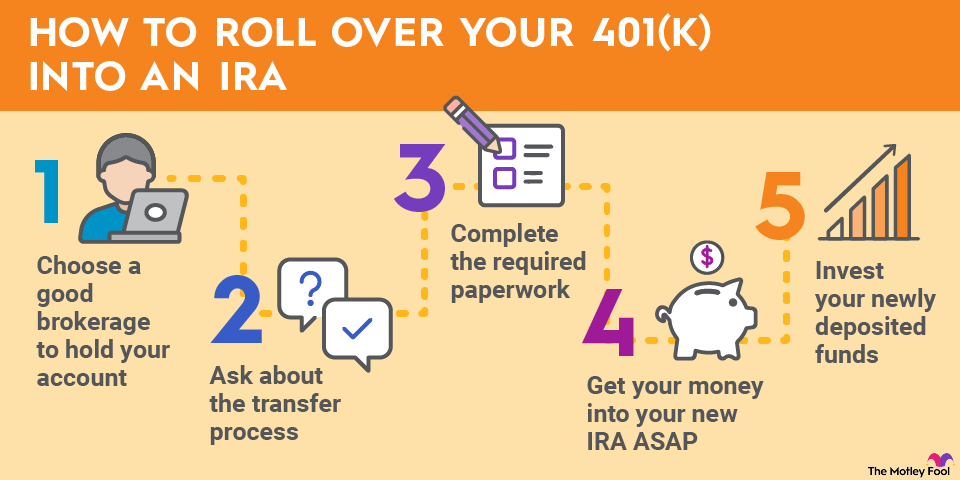
5. Invest the funds in your new account
Once the funds hit your rollover account, you'll need to invest them. It's very uncommon for 401(k) rollovers to transfer in-kind -- your old administrator will typically liquidate your investments and send cash. That means your money will sit uninvested until you choose new investments, so don't let it linger in a default money market fund longer than necessary.
This is also a good moment to revisit your overall asset allocation. A rollover is one of the few times you're effectively starting fresh, so it's worth thinking about whether your new investment mix reflects where you are now -- your age, risk tolerance, and how many years you have until retirement.