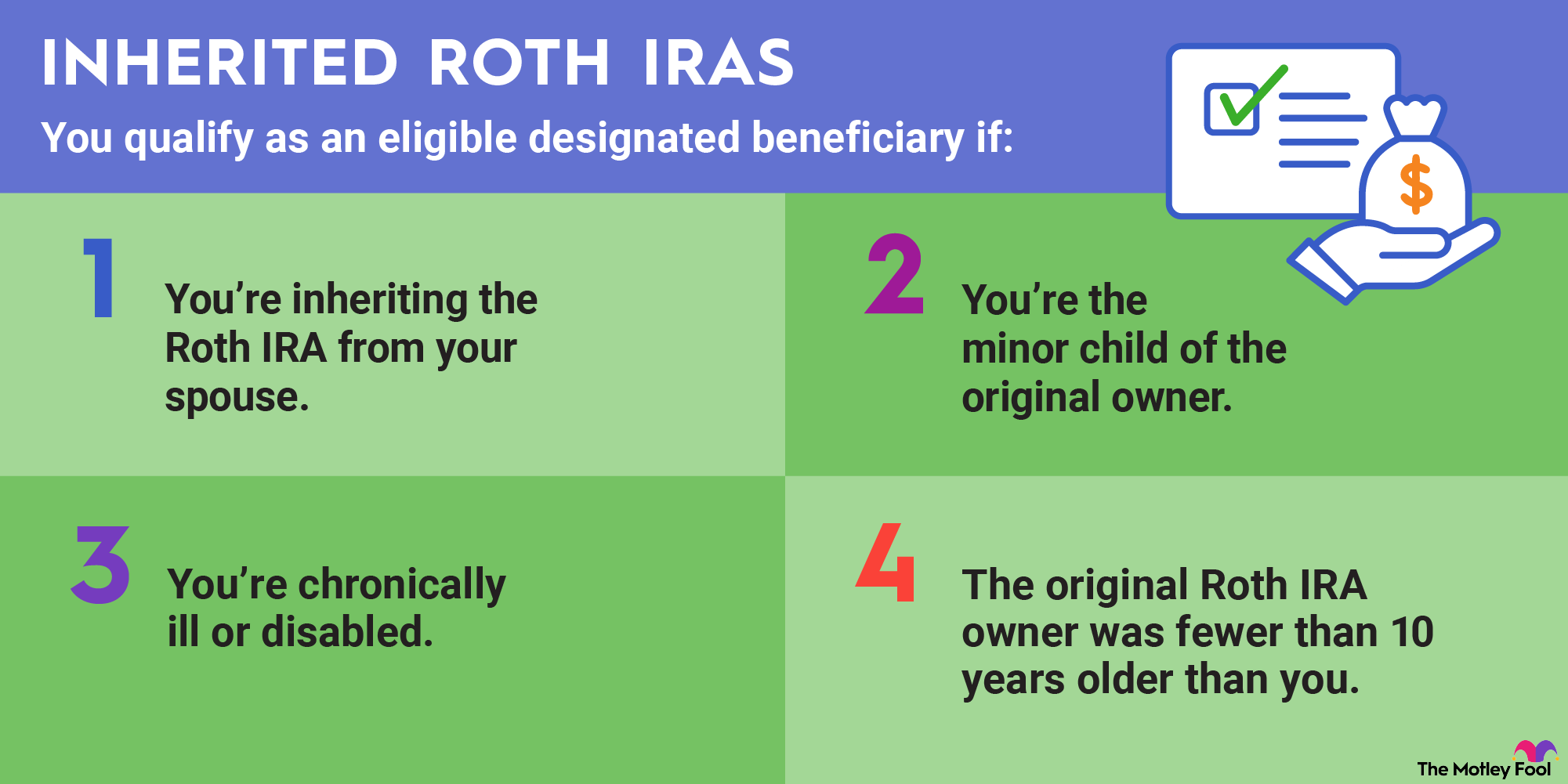
Loading paragraph...
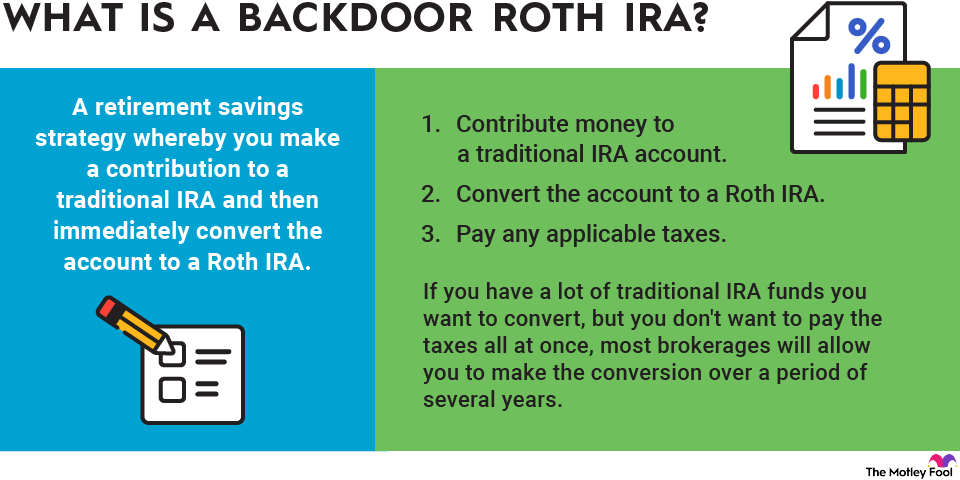
Image source: The Motley Fool
Loading paragraph...
Loading paragraph...
Tax filing status | Maximum MAGI for full Roth contribution | Maximum MAGI for partial Roth contribution |
|---|---|---|
Single, head of household, or married filing separately IF you didn't live with your spouse during the year | $150,000 (2025); $153,000 (2026) | $165,000 (2025); $168,000 (2026) |
Married filing jointly or qualifying widow or widower | $236,000 (2025); $242,000 (2026) | $246,000 (2025); $252,000 (2026) |
Married filing separately IF you lived with your spouse at any point during the year | $0 | $10,000 |
Loading paragraph...
Loading paragraph...
Loading paragraph...
Loading paragraph...
Loading paragraph...
Loading faq...
About the Author

Lyle Daly is a contributing Motley Fool stock market analyst covering information technology and cryptocurrency. Lyle has been a contributor at the financial services company since 2018. His work has been featured on USA Today, Yahoo Finance, MSN, Fox Business, and Nasdaq. Before joining The Motley Fool, he wrote for financial brands including Intuit.
The Motley Fool has a disclosure policy.