Once upon a time, most businesses were mom-and-pop shops. These days, the business world has evolved, and corporate chains dominate the retail landscape. Still, the mom-and-pop concept endures and has plenty of supporters committed to shopping at independent stores.
What is a mom-and-pop shop?
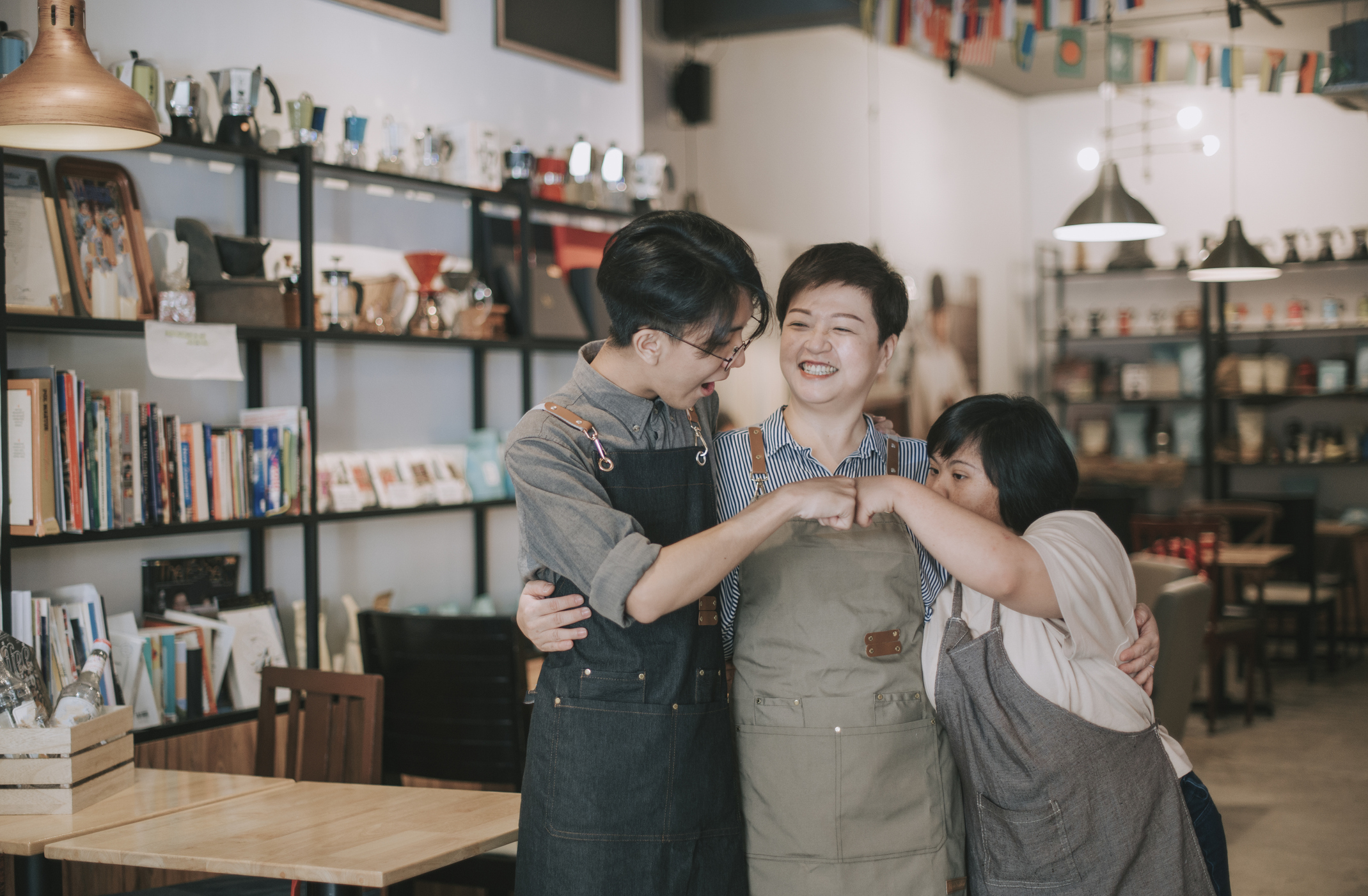
A mom-and-pop shop typically refers to a small, independent store or company. Taken literally, the "mom and pop" implies that it's a family-run or family-owned business, but it doesn't have to be. The phrase is often used to draw a distinction between independent stores and corporate-owned chains or franchises.
How does a mom-and-pop shop differ from a chain?
Mom-and-pop shops have a number of differences from retail chains. Some customers tend to prefer retail chains because they know what experience they can expect when they walk into the store. If you go to a Target (TGT +0.36%), Starbucks (SBUX +0.30%), Walmart (NYSE:WMT), or CVS (CVS -0.93%), the experience will generally be the same as if you visited any of their other stores.
That's not the case at a mom-and-pop shop. Since a mom-and-pop shop is an independent business, each one is different. If it's your first time in a particular mom-and-pop store, you'll get a different experience from what you would at another store.
A mom-and-pop store also tends to be less technologically forward than a chain. For example, a mom-and-pop shop is less likely to have an app or an up-to-date website.
Some customers find independent stores like mom-and-pop shops charming or more interesting than chain stores, and they like doing business with someone in their community. They also believe you can get better service from a mom-and-pop store.
Often, you'll be dealing with the actual owner of the store -- something that would be impossible at a Target or a Starbucks. For regular customers, getting to know the owner of the business they patronize can also be a benefit.
Same-Store Sales
Challenges mom-and-pop shops are facing
As commerce has evolved, it's become harder for some mom-and-pop-type businesses to survive. These days, mom-and-pops have to compete with not only the Targets and the Walmarts of the world but also Amazon (AMZN -2.61%), whose wide selection and convenient delivery has put pressure on mom-and-pop shops.
Additionally, the proliferation of chain stores with deep pockets has pushed retail rents up, especially in some tonier corridors. That has made it more difficult for mom-and-pop stores to keep their leases and stay in business.
Similarly, downtowns in small towns and older cities have been hollowed out by the advent of malls and big-box stores on the outskirts of the community. As shopping traffic disappeared from traditional downtowns, many mom-and-pop shops that once occupied those areas closed.
Finally, consumer tastes may have changed, making it harder for mom-and-pop stores to maintain their business. Younger consumers may be more used to shopping at chain stores or more comfortable with e-commerce. Some mom-and-pop shops have also sold to chains, another way their numbers are depleting.
What's an example of a mom-and-pop shop?
One common type of mom-and-pop shop is the local hardware store. The hardware store is well suited to a mom-and-pop-type business because it sells products people often need on short notice.
Related investing topics
Customers also benefit from the knowledge of an experienced shop owner, and it's the kind of store customers visit regularly. However, these types of stores have also struggled to compete with big-box chains like Home Depot (HD -1.04%) and Lowe's (LOW -1.11%).
Mom-and-pop shops will always exist, especially as some customers make a concerted effort to patronize them. However, as the retail landscape evolves, it will continue to be more difficult for mom-and-pop shops to stay in business.
About the Author