TaaS stocks were unevenly hit during the pandemic, with companies that specialize in delivering products benefiting from lockdowns and a general reluctance to go shopping in person. But rideshare companies suffered due to fewer people leaving the house and a lack of drivers willing to have strangers in their vehicles during an outbreak. As the pandemic fades, the convenience of delivery will keep that side of the business strong, while allowing for a recovery in rideshares.
There are also thorny regulatory issues this industry has to navigate. Rideshare drivers and delivery workers tend to be contractors and not full-time employees. It helps make the businesses more efficient by allowing companies to avoid covering healthcare and other benefit expenses. But it's arguably putting workers in a difficult position, and states (led by California) are trying to craft laws that would force more of these workers to be treated as employees.
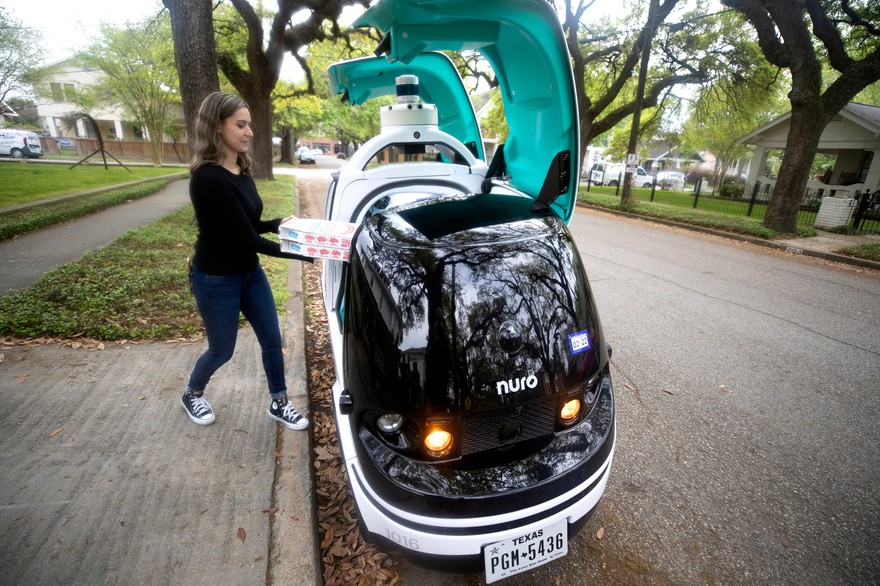
Another trend, automation and self-driving, might eventually solve the thorny labor issues. But if states get their way, costs could go up for many of these businesses in the meantime -- a situation that investors should watch closely.
Best TaaS stocks to buy
1. Uber
Uber practically invented the modern rideshare industry, establishing itself so thoroughly that "to uber" a ride has become a verb. But Uber also bears the scars from being the first mover in the category, and the company is the target of criticism from lawmakers concerning the downside of the "gig economy." Uber has scaled back its ambitions since first going public, partnering in some international markets instead of trying to go it alone everywhere and divesting some of its more speculative businesses. But the company desperately needs self-driving to become a reality to deliver the sustained profits management envisioned when Uber was created.
2. Lyft
Lyft, which came along after Uber, remains a much smaller company than Uber in terms of market capitalization. Lyft has tried to learn from Uber's missteps, and today runs a much more simple operation, but it shares many of the same opportunities and pitfalls that have come with the rideshare business. Lyft operates only in the U.S. and Canada, and it doesn't provide dedicated food deliveries similar to Uber Eats.