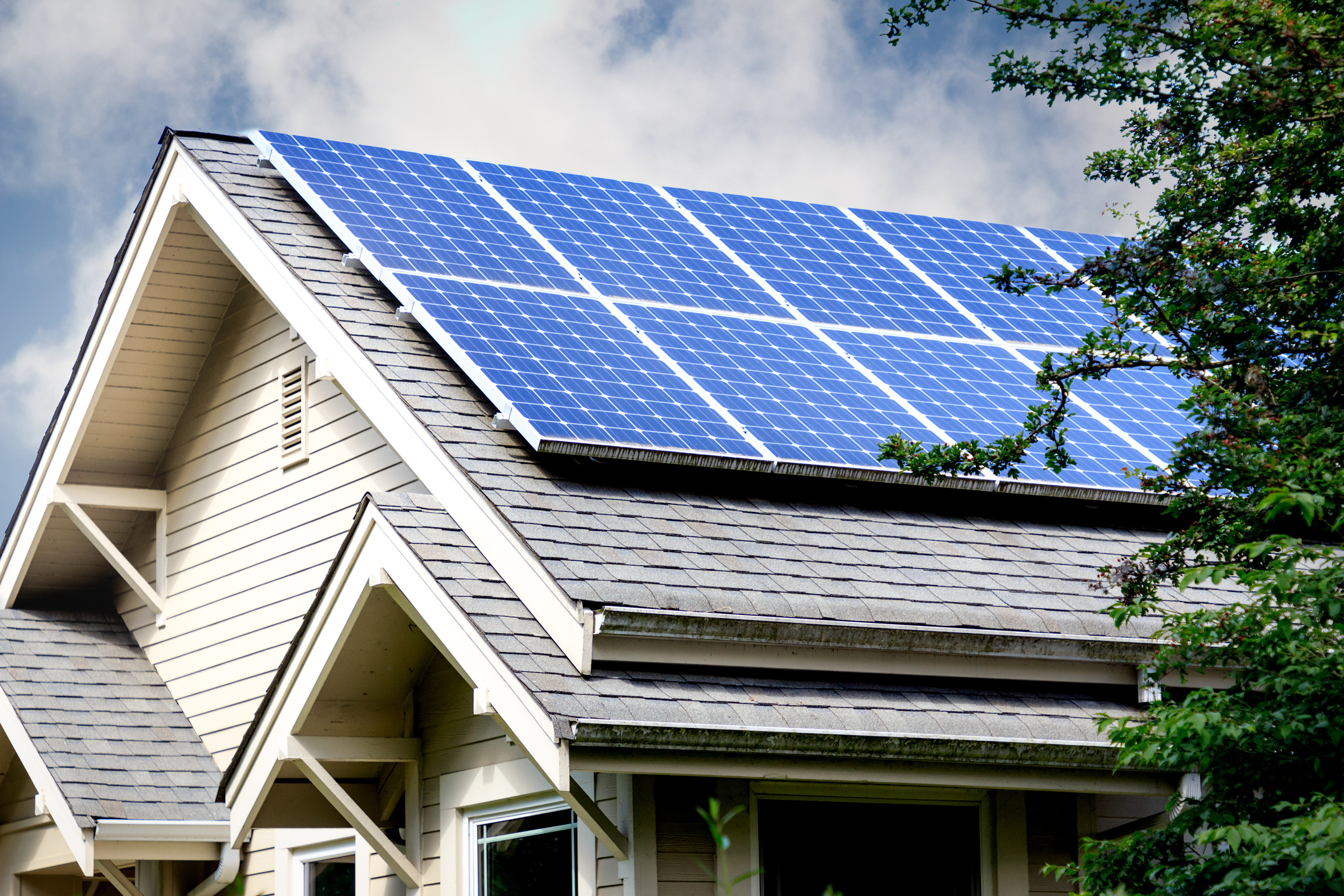
Energy stocks are important for investors to understand because the energy sector is vital to the global economy. It produces and supplies the fuels and electricity needed to keep the economy humming.
5 top energy stocks for 2026
Hundreds of public companies focus on the production and distribution of energy. However, a few leaders stand out because of their size and financial strength.
Here are five of the top energy stocks to consider buying.
| Name and ticker | Market cap | Dividend yield | Industry |
|---|---|---|---|
| Brookfield Renewable (NYSE:BEPC) | $6.3 billion | 4.29% | Independent Power and Renewable Electricity Producers |
| Enbridge (NYSE:ENB) | $119.6 billion | 4.99% | Oil, Gas and Consumable Fuels |
| ConocoPhillips (NYSE:COP) | $150.2 billion | 2.63% | Oil, Gas and Consumable Fuels |
| Chevron (NYSE:CVX) | $380.4 billion | 3.62% | Oil, Gas and Consumable Fuels |
| NextEra Energy (NYSE:NEE) | $202.2 billion | 2.40% | Electric Utilities |
1. Brookfield Renewable

NYSE: BEP
Key Data Points

NYSE: COP
Key Data Points
3. Chevron

NYSE: CVX
Key Data Points

NYSE: NEE
Key Data Points
5. Enbridge

NYSE: ENB
Key Data Points
Benefits and risks of investing in energy stocks
Investing in energy stocks has its share of benefits and drawbacks. Some of the positives include:
- Growth: Energy demand is growing, especially for lower-carbon energy such as natural gas and renewables.
- Income: Many energy stocks pay high-yielding and steadily rising dividends, making the sector a good spot to collect passive income.
- Inflation hedge: Energy prices tend to rise as inflation increases, making the sector a good inflation hedge.
On the other hand, the sector has some potential negatives, including:
- Volatility: Energy prices are highly volatile, which can significantly affect energy stock prices.
- Geopolitical risk: The energy industry is susceptible to changes in OPEC policy, economic sanctions on oil-producing countries, and shifting government energy policies.
- Climate change: Growing concerns could affect future demand for fossil fuels.
Should you invest in energy stocks?
The energy sector is vital to the global economy because it provides the fuel and power needed to drive trade and travel. We've seen its importance in 2026 as the war with Iran has put the energy sector in the crosshairs. The war-fueled spike in energy prices has driven up energy stocks. However, the converse is that when the economy slows, it can significantly affect energy demand and prices. That can put significant pressure on energy stock prices.
The best energy stocks to buy are those that can thrive in strong market conditions while easily surviving a downturn. Energy stock investors should also pay closer attention to cleaner energy companies using renewable sources. The world is steadily transitioning to cleaner fuels to avoid the worst impacts of climate change. Given the importance of energy to everyday life, investors should consider adding at least one high-quality energy stock to their portfolio.
Key Energy Sector Trends
Here are some of the major trends impacting the energy sector:
- Strait of Hormuz closure: The closure of the Strait of Hormuz due to the war with Iran caused a massive supply disruption, driving up energy prices in early 2026. It could have a long-term impact on the global energy market, boosting demand for U.S. LNG exports and renewable energy.
- AI data center boom: The explosive growth in AI data centers is powering a surge in electricity demand, benefiting natural gas and renewable energy.
- Climate change: Concerns about climate change are driving energy users to steadily transition to lower-carbon sources, including natural gas, renewables, and nuclear energy.
Related investing topics
FAQ
Energy stock FAQ
About the Author
Matt DiLallo has positions in Brookfield Renewable, Brookfield Renewable Partners, Chevron, ConocoPhillips, Enbridge, and NextEra Energy. The Motley Fool has positions in and recommends Chevron, Enbridge, and NextEra Energy. The Motley Fool recommends Brookfield Renewable, Brookfield Renewable Partners, and ConocoPhillips. The Motley Fool has a disclosure policy.