BYD (BYDD.F -0.94%) is one of the world’s largest electric vehicle makers and a global leader in batteries, plug-in hybrids, EVs, and commercial electric fleets. It’s also famous for having Warren Buffett as an early investor, a detail that keeps BYD on many investors’ radar.
For U.S. investors, BYD stock doesn’t trade on the NYSE or Nasdaq. Instead, it trades on the OTC Market Exchange under the ticker BYDD.F, which requires a brokerage that supports OTC (over the counter) trading.
Here’s what to know before you buy.
How to buy BYD stock
Buying BYD in the U.S. works similarly to other stocks, with one key difference: make sure your brokerage supports OTC trading.
- Open a brokerage app: Log into your brokerage account where you handle your investments. If you don't have one yet, take a look at our favorite brokers and trading platforms to find the right one for you.
- Fund your account: Transfer money so you’re ready to invest.
- Search for BYD: Enter the stock ticker "BYDD.F" into the search bar to bring up the stock's trading page. Quick note: Make sure you don't select Boyd Gaming (BYD -0.33%) instead, an American gaming and hospitality company that trades on the NYSE under the stock ticker BYD.
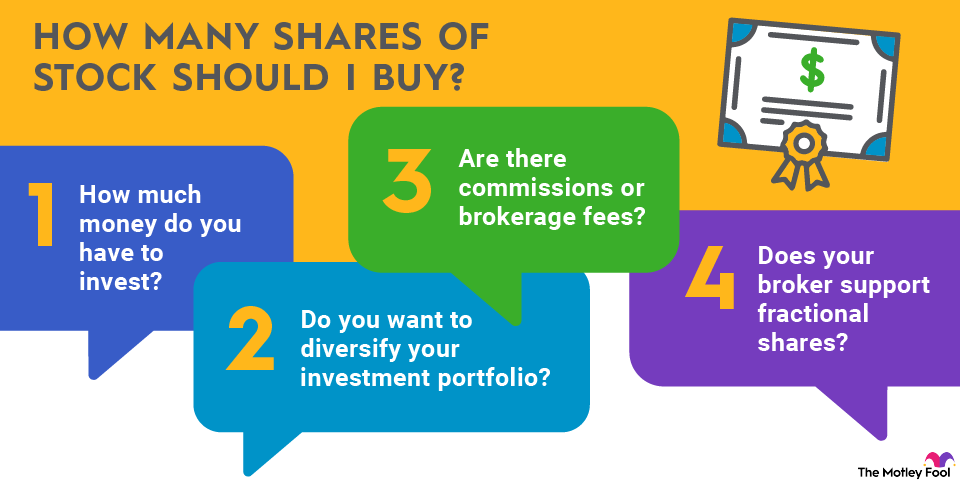
- Decide how many shares to buy: Consider your investment goals and how much of your portfolio you want to allocate to this stock.
- Select order type: Choose between a market order to buy at the current price or a limit order to specify the maximum price you're willing to pay.
- Submit your order: Confirm the details and submit your buy order.
- Review your purchase: Check your portfolio to ensure your order was filled as expected and adjust your investment strategy accordingly.
What investors should know about BYD as a business
BYD isn’t just another electric car stock -- it’s one of the most vertically integrated clean-energy manufacturers in the world. That’s a key reason it’s been able to grow profitably while many EV competitors struggle.
Here are the fundamentals investors should understand:
1. A diversified revenue model
Beyond passenger cars, BYD generates revenue from:
- Commercial EV fleets (buses, delivery vans, and trucks)
- Battery technology, including its well-known Blade Battery
- Solar and energy-storage systems
- Rail systems (SkyRail)
- Electronics manufacturing (mobile components)
This diversity allows BYD to stay profitable even when EV margins tighten.
2. Vertical integration gives it cost and scale advantages
BYD designs and manufactures many core components in-house, including batteries, chips, and EV systems. This gives the company cost advantages and helps it scale production faster than competitors.
3. A strong global footprint, even without selling widely in the U.S.
BYD dominates in China (the world’s largest EV market), but its reach extends to Europe, Asia, South America, Australia, and parts of Africa.
4. Warren Buffett’s early backing boosted credibility
Berkshire Hathaway (BRK.A +0.73%)(BRK.B +1.05%) first invested in BYD in 2008 when very few investors believed in EVs.
While Berkshire has gradually reduced its stake, it still owns nearly 5%, and Buffett has repeatedly praised BYD’s management, its cost structure, and its technical capabilities. For some investors, that’s a meaningful signal.
Should you invest in BYD?
Not every stock will be right for you. You need to make sure the stocks you buy will help you achieve your financial goals while aligning with your values and risk tolerance.
Reasons to consider it
- You want to invest in a company building a more sustainable future.
- You want to invest in stocks owned by Warren Buffett.
- Adding BYD would help diversify your portfolio by adding an international stock.
- You believe BYD can fend off the growing competition in the EV industry.
- You want to invest in a profitable EV company (a rarity in the sector).
- You're comfortable with the risks of investing in China.

OTC: BYDD.F
Key Data Points
Reasons to be cautious
- You're concerned about the Chinese government's influence over companies operating in the country.
- You don't want to invest in foreign-listed stocks due to governance concerns and foreign exchange risk.
- You're worried about the growing competition in the EV industry.
- You think the U.S. tariffs on EVs produced in China will shut off a potentially lucrative growth market for BYD.
- Warren Buffett's sales of BYD stock have raised a red flag for you.
- You already own several EV and transportation stocks.
- You need more dividend income than BYD can supply.
Is BYD profitable?
BYD is a profitable company. In late 2024, the Chinese automaker reported that its net profit had risen 11.5% during the third quarter of that year on a 24% increase in revenue. That continued the strong year of profitability for the company. Its net profit increased 18.1% through the first nine months of that year.
The company's solid profitability enables it to continue investing in developing new EVs. It also allows BYD to return cash to investors via dividends and share repurchases.
Does BYD pay a dividend?
BYD pays a dividend. The Chinese EV company makes an annual dividend payment based on its profit from the previous year.
As of early 2025, BYD hadn't yet declared its 2024 annual dividend payment (and it didn't declare an interim dividend that year. However, for 2023, the company made a dividend payment of 3.096 Chinese yuan per share (about $0.43 per share at the exchange rate in mid-2024). That was more than double its dividend in 2022 (RMB$1.142 per share). The company pays its dividend in RMB, which is converted into U.S. dollars for holders in the U.S.
How to invest in BYD through ETFs
Active stock picking isn't for everyone. Many people would rather passively invest in a company through a fund.
Exchange-traded funds (ETFs) make that easy. Many ETFs enable you to invest in a theme (e.g., transportation ETFs or electric vehicle ETFs) or a broad market index (e.g., the S&P 500 or Nasdaq-100).
Exchange-Traded Fund (ETF)
Several ETFs hold shares of BYD. Some notable options are:
- ARK Autonomous Tech & Robotics ETF (ARKQ -1.65%): The fund managed by Cathie Wood focuses on companies in the autonomous technology and robotics fields. It aims to have between 30 and 50 holdings. BYD is one of its holdings in early 2025, with a 1.3% allocation, and the fund has a 0.75% ETF expense ratio.
- iShares MSC China ETF (NYSEMKT:MCHI): This fund focuses on large and mid-sized Chinese companies. In early 2025, the ETF had almost 580 holdings, including BYD (10th-largest at 1.9% of its assets) and a 0.59% expense ratio.
Will BYD stock split?
As of early 2025, BYD had no upcoming stock split planned, and the company likely won't split its stock anytime soon. It trades at a very accessible price (in the mid-$80s in early 2025), so it doesn't need to split its stock to lower the investment threshold for more investors.
The bottom line
BYD is a leader in EVs. It's profitable and growing fast, which could enable the company to continue producing strong returns for investors, including Warren Buffett. However, even though Buffett owns the stock, it might not be right for everyone. Before adding it to your portfolio, you must ensure you're comfortable with the risks of investing in the Chinese EV maker.
Related investing topics
FAQ
Investing in BYD FAQ
About the Author